
Baby Dry Skin After Bath: Little Q 3T Hydrating Guide
Learn why baby dry skin after bath happens and how Little Q 3T hydrating syndet cleansing may support softer, more comfortable baby skin.Little Q
Baby Dry Skin After Bath: Little Q 3T Hydrating Syndet Solution
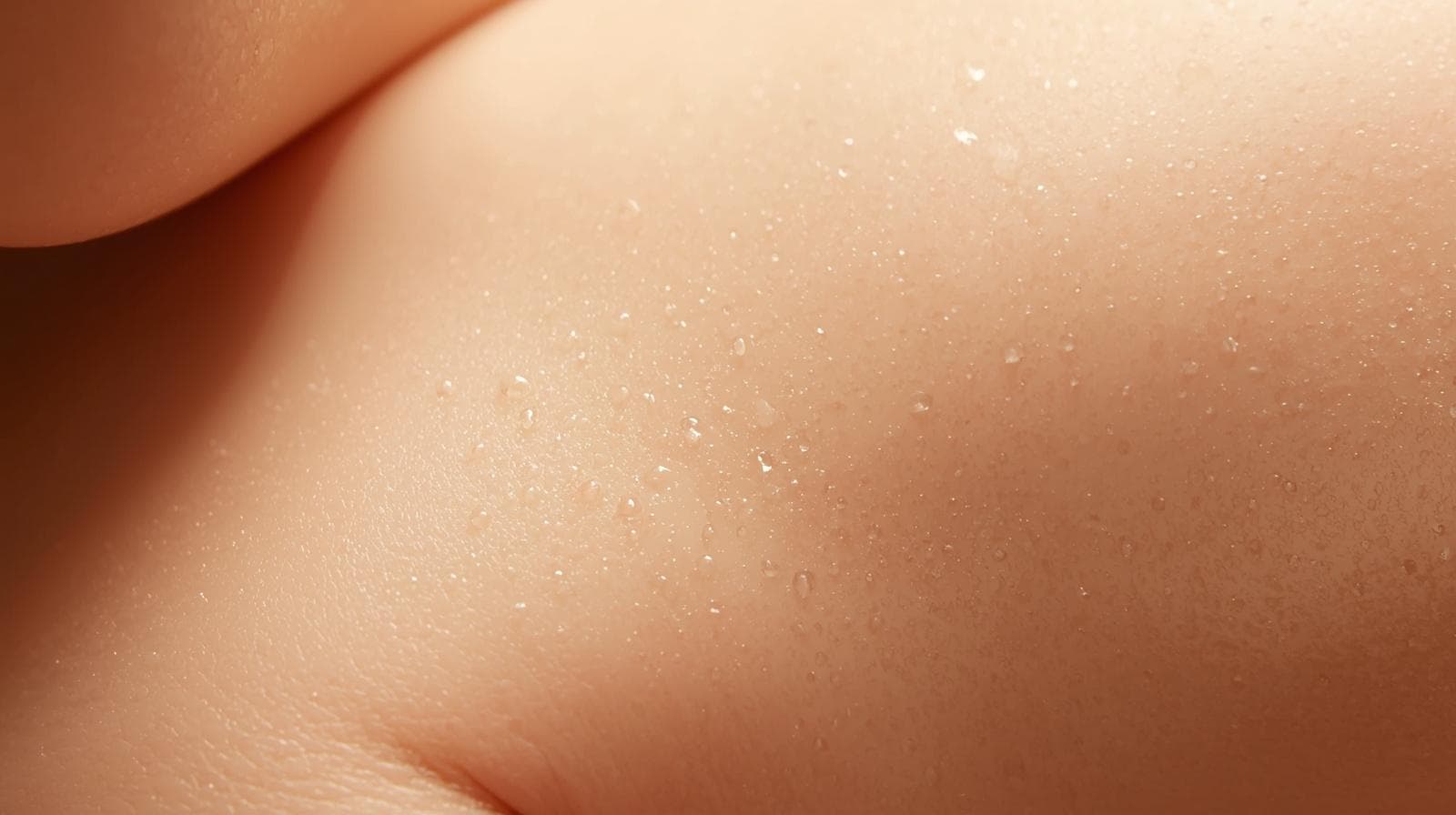
Many parents notice baby dry skin after bath time. The cheeks may feel rough, the legs may look flaky or the skin may appear tight immediately after drying.
This can happen for several reasons, including hot water, long baths, frequent bathing, rough towels, dry weather or a cleanser that removes too much natural oil. A baby’s skin is delicate and still developing, so even a normal bath can affect how comfortable it feels.
Little Q 3T is a head-to-toe syndet cleanser designed for delicate newborn and sensitive skin. Its listed cleansing agents include SCI-85, Decyl Glucoside and Sodium Cocoyl Glycinate. The formula also contains Ceramide NP, Niacinamide, D-Panthenol, Hyaluronic Acid, Oat, Calendula, Aloe Vera and Licorice.
This guide explains why dry skin can appear after bathing, how a syndet cleanser may help support a gentler routine and what parents can do to improve hydration without overcomplicating baby care.
Important note: Dryness may sometimes be linked to eczema, allergy, infection or another skin condition. Consult a paediatrician or dermatologist if your baby has persistent redness, itching, cracking, oozing, swelling or discomfort.
Why Does Baby Dry Skin After Bath Happen?
Several factors can contribute to dryness after a baby’s bath. It is not always caused by the cleanser alone.
Hot Water
Hot water can remove some of the natural oils from the skin. It may also increase water loss after the bath.
Use warm water rather than hot water. The water should feel comfortable on the inside of the parent’s wrist or elbow.
Long Baths
Extended soaking can make the skin feel dry, especially when bubble baths or cleansers are added to the water.
AboutKidsHealth recommends keeping baths short, using warm rather than hot water and avoiding harsh, drying soaps.
Bathing Too Frequently
Newborns generally do not need a full bath every day. Bathing two or three times a week may be enough for many babies, with the face, neck folds and diaper area cleaned between baths.
More frequent bathing may be needed after significant mess, sweating or a diaper leak, but a complete bath is not required every time.
Harsh Soap
Traditional alkaline soap may remove more surface oil than necessary. This can leave the baby’s skin feeling tight, rough or flaky.
A soap-free baby wash or syndet cleanser may be a more suitable option for babies with delicate or dry skin.
Rough Drying
Rubbing with a rough towel can increase friction and irritation. Patting the skin gently is a better approach.
Dry Air and Climate
Cold weather, low humidity, air-conditioning and direct heat can all contribute to dryness.
Parents may notice more flaky skin during winter or when the baby spends time in an air-conditioned room.
Existing Skin Conditions
Eczema and other skin conditions can make dryness worse after bathing. In these situations, the baby may need a specific treatment plan rather than a series of different cleansers.
How Bathing Affects the Baby Skin Barrier
The outer layer of the skin is often called the skin barrier. It helps keep moisture inside and protects the body from external irritants.
The baby skin barrier is still developing during infancy. It may be affected by:
Strong cleansers.
Hot water.
Repeated washing.
Friction.
Dry air.
Sweat.
Saliva.
Urine and stool.
Irritating fragrances.
Wool or rough synthetic clothing.
When the barrier loses too much moisture, the skin can become dry, rough or sensitive.
Why Natural Oils Matter
Natural oils help lubricate the skin and support moisture retention. Cleansing removes dirt and sweat, but a cleanser that removes too much oil may leave the skin uncomfortable.
The goal is not to avoid cleansing altogether. The goal is to use a product and routine that provide enough cleaning without unnecessary stripping.
Why pH Can Matter
The skin has a mildly acidic surface environment known as the acid mantle. A pH-balanced baby wash is formulated to be closer to this natural environment than strongly alkaline soap.
pH balance is not the same as moisturising, and it does not guarantee that a product will suit every baby. It is one part of a formula designed to support gentle cleansing.
How a Hydrating Syndet Wash May Help
A hydrating syndet wash combines mild cleansing agents with ingredients intended to support a comfortable skin feel.
“Syndet” means synthetic detergent. A syndet cleanser uses selected surfactants rather than traditional alkaline soap.
Mild Cleansing
Surfactants help water mix with oil and dirt so that impurities can be rinsed away. A mild surfactant system can remove sweat, food residue and excess oil without requiring rough scrubbing.
Skin-Comfort Ingredients
A syndet cleanser may include humectants, conditioning ingredients or barrier-support components. These do not turn the product into a moisturiser, but they can influence the after-bath feel.
Less Unnecessary Stripping
A mild syndet may be less drying than traditional soap, particularly when the formula is pH-conscious and used with warm water for a short duration.
Every formula is different. Parents should assess the complete ingredient list and their baby’s individual response.
Little Q 3T Formula Explained
SCI-85
SCI-85 is a form of Sodium Cocoyl Isethionate. It is a mild surfactant used in syndet cleansing products.
It helps lift dirt, sweat and excess oil while creating a soft lather. It does not rely on a traditional alkaline soap base.
A mild surfactant does not guarantee that a product will suit every baby. Concentration, pH, other ingredients and frequency of use all influence the final experience.
Decyl Glucoside
Decyl Glucoside is a non-ionic surfactant commonly used in gentle cleansers. It helps remove everyday impurities from the skin and hair.
Parents searching for a baby wash for dry skin may recognise this ingredient in formulas intended for mild cleansing. However, botanical origin or a “mild” description does not eliminate the possibility of individual sensitivity.
Sodium Cocoyl Glycinate
Sodium Cocoyl Glycinate is an amino-acid-based surfactant. It supports cleansing and contributes to the formula’s rinse and skin-feel properties.
Little Q 3T combines it with SCI-85 and Decyl Glucoside as part of a multi-surfactant cleansing system.
Ceramide NP
Ceramide NP is a skin-conditioning lipid associated with the outer skin barrier. Ceramides help support the lipid structure that reduces moisture loss.
Little Q 3T includes Ceramide NP in its formula. This may appeal to parents who want a cleanser that supports a barrier-conscious routine.
Because the product is rinsed off, it should not be treated as a substitute for a leave-on ceramide cream or prescribed skin treatment.
D-Panthenol
D-Panthenol, also known as provitamin B5, is commonly used for its conditioning and moisturising properties.
It can help contribute to a softer after-bath skin feel. It does not treat eczema or infection, but it complements the product’s gentle-care positioning.
Hyaluronic Acid and Glycerin
Hyaluronic Acid and Glycerin are humectants. They attract and hold water, helping support skin hydration.
Their effect is more limited in a rinse-off product than in a leave-on moisturiser. However, they contribute to the formula’s hydration-focused profile.
Niacinamide
Niacinamide is a form of vitamin B3. It is often used in skincare for conditioning and supporting the appearance of a healthy skin barrier.
Little Q 3T lists Niacinamide among its ingredients. Parents should monitor the baby’s skin when introducing any new product.
Oat, Calendula, Aloe Vera and Licorice
These botanical ingredients form part of the product’s skin-comfort blend. Oat is frequently used in products for dry skin, while Aloe Vera, Calendula and Licorice are common cosmetic conditioning ingredients.
Natural ingredients can still cause sensitivity. Parents should be cautious if the baby has a known allergy to plant extracts.
How to Improve the After-Bath Routine
A cleanser may help, but the steps that follow the bath are equally important.
Keep the Bath Short
AboutKidsHealth recommends limiting baths to 10 minutes or less for children with dry skin.
For newborns, a shorter bath may be enough. The baby does not need to remain in the water after cleaning is complete.
Use Warm Water
Warm water is more suitable than hot water for delicate skin. Check the temperature before placing the baby in the bath.
Use a Small Amount of Cleanser
More product does not mean better cleansing. A small amount of Little Q 3T wash can be used according to the product label.
Apply cleanser to the hands or a soft cloth rather than pouring a large amount directly onto the baby.
Avoid Scrubbing
Do not use rough sponges, brushes or vigorous rubbing. Gentle hands are usually sufficient.
Rinse Thoroughly
Rinse the cleanser away, especially from the neck, underarms, groin, behind the ears and behind the knees.
Pat Dry
Use a soft towel and pat the skin dry. Do not rub vigorously.
Moisturise Promptly
If the skin is dry, apply a fragrance-free moisturiser while it is still slightly damp. The Society for Pediatric Dermatology recommends applying moisturiser within three minutes of bathing to help retain moisture.
Thicker creams and ointments are often more effective for dry skin than thin lotions.
Choose Soft Clothing
Loose cotton clothing may be more comfortable than rough wool or synthetic materials. Avoid overdressing the baby, as heat and sweating can worsen irritation.
Baby Moisturiser After Bath: What to Look For
A baby moisturiser after bath should be:
Fragrance-free or minimally fragranced.
Appropriate for infant skin.
Free from unnecessary essential oils.
Thick enough for the level of dryness.
Easy to apply without excessive rubbing.
Recommended by a healthcare professional if the baby has eczema.
Ointments are usually thicker than creams, while lotions are lighter and may be less effective for very dry skin. AboutKidsHealth notes that moisturising ointments may be more effective than creams or lotions for dry skin.
Do not apply medicated creams unless prescribed or recommended by a qualified healthcare professional.
How to Choose a Baby Wash for Dry Skin
Look for Mild Cleansing
A gentle baby cleanser should clean without excessive stripping. Syndet products may be preferable to traditional alkaline soap for babies with dry or sensitive skin.
Check the pH
A neutral or mildly acidic pH may be more compatible with the skin’s natural surface environment.
Review Fragrance
Fragrance can irritate some babies. Parents of children with reactive skin may prefer fragrance-free options.
Read the Complete Ingredient List
Look for:
Mild surfactants.
Ceramides.
Humectants.
Conditioning ingredients.
Preservatives.
Botanical extracts.
Fragrance.
Age guidance.
Choose a Product Designed for Babies
Adult body washes may contain strong fragrance, exfoliants or active ingredients that are unnecessary for newborn skin.
Do Not Rely on One Ingredient
Ceramide, panthenol, oat or hyaluronic acid can be useful ingredients, but the complete formula determines the product’s performance.
When Dryness May Need Medical Advice
Contact a healthcare professional if your baby has:
Dryness that does not improve.
Severe itching.
Bleeding or cracked skin.
Oozing or crusting.
Blisters.
Significant swelling.
A rapidly spreading rash.
Fever.
Painful skin.
Sleep disturbance due to itching.
Eczema can begin during infancy and may require medical treatment. A cleanser can support comfort but cannot diagnose or treat the underlying condition.
Frequently Asked Questions
Why does my baby have dry skin after bathing?
Common causes include hot water, long baths, frequent bathing, harsh soap, rough towels, dry air and existing skin conditions such as eczema.
Can Little Q 3T help with dry baby skin?
Little Q 3T is designed as a mild syndet cleanser and includes conditioning ingredients such as Ceramide NP, D-Panthenol and Hyaluronic Acid. It may support a gentle routine, but persistent dryness requires professional advice.
Is Little Q 3T a hydrating syndet wash?
Little Q 3T is positioned as a syndet cleanser with hydration-supporting ingredients. Since it is rinse-off, it should not replace a leave-on moisturiser when the skin is dry.
How soon should I moisturise after bathing?
Apply a suitable moisturiser within a few minutes after patting the skin dry. The Society for Pediatric Dermatology recommends moisturising within three minutes.
Is a soap-free wash better for dry baby skin?
A soap-free baby wash may be less drying than traditional alkaline soap, particularly when it is mild, pH-conscious and used with warm water.
How often should I bathe a baby with dry skin?
Many babies do not need a full bath every day. Keep baths short and adjust the frequency according to the baby’s skin and healthcare advice.
Should I use lotion, cream or ointment?
Creams and ointments are usually more effective than light lotions for very dry skin. Ask a healthcare professional if you are unsure which product is suitable.
When should I see a doctor?
Seek advice when dryness persists, becomes painful, cracks, oozes, spreads or is accompanied by significant redness, swelling, fever or severe itching.
Final Thoughts: Support Softer, Happier Baby Skin
Baby dry skin after bath can result from more than the cleanser. Hot water, long baths, frequent bathing, rough towels, dry air and existing skin conditions may all contribute.
A gentle routine can help: use warm water, keep baths short, choose a mild soap-free baby wash, rinse carefully, pat the skin dry and apply a suitable moisturiser promptly when dryness is present.
Little Q 3T combines mild syndet surfactants with Ceramide NP, D-Panthenol, Hyaluronic Acid, Glycerin and botanical ingredients. It may be a useful part of a hydration-conscious newborn skincare routine, but it should not replace medical advice for persistent skin problems.littleq
Choose Little Q 3T wash for gentle cleansing designed for delicate skin. Pair it with sensible bathing habits and suitable moisturising to help make every bath a more comfortable moment of care.