
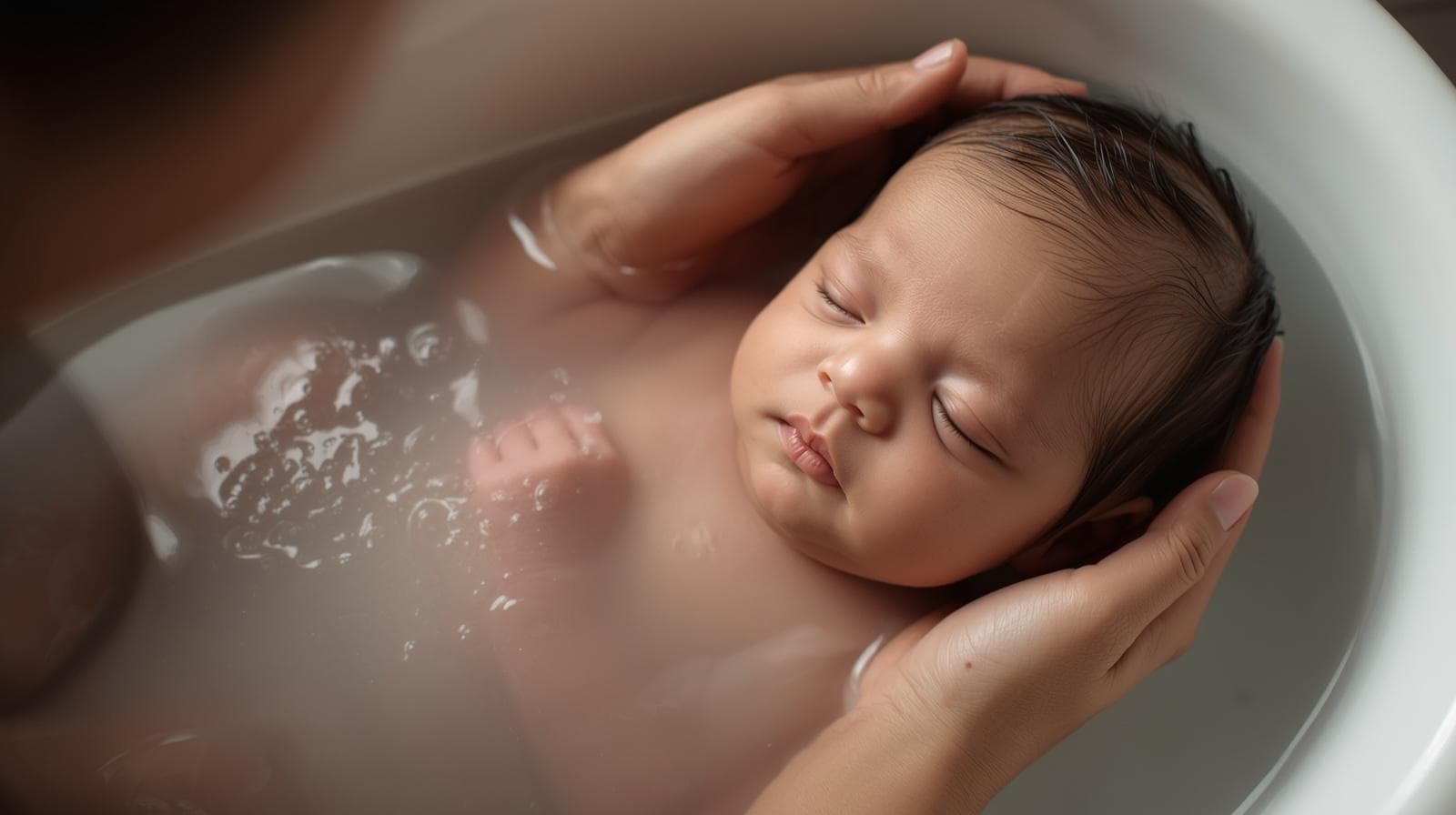
Newborn Bath Guide: LittleQ 3T Safe First Wash Tips
Follow this newborn bath guide to learn safe first-wash practices and how LittleQ 3T supports gentle, pH-balanced cleansing for delicate baby skin.Little Q
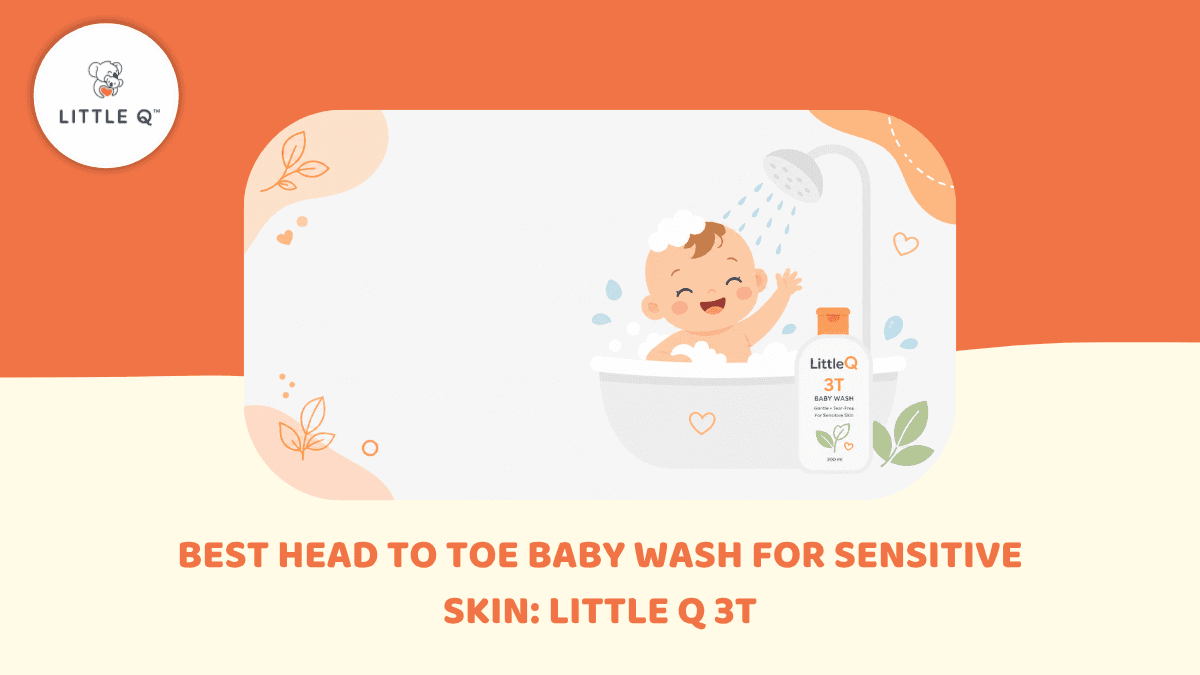
Newborn Bath Guide: Little Q 3T Safe First Wash Recommendations
A newborn’s first bath can feel exciting and overwhelming at the same time. Parents often wonder when to give the first bath, whether to use only water or a cleanser, how to protect the umbilical cord and which product is gentle enough for delicate skin.
This newborn bath guide answers these questions in a simple, practical way. It explains the important safety steps for a first wash and introduces Little Q 3T as a mild, head-to-toe syndet cleanser designed for delicate newborn and sensitive skin.
Little Q 3T is described as a tear-free, pH-balanced, paraben-free and sulfate-free cleanser. Its listed cleansing agents include SCI-85, Decyl Glucoside and Sodium Cocoyl Glycinate. The formula also contains Ceramide NP, Niacinamide, D-Panthenol, Hyaluronic Acid, Oat, Calendula, Aloe Vera and Licorice.
A cleanser is only one part of newborn care. Timing, water temperature, supervision, cord care and gentle handling are equally important.
Important note: This article provides general education, not individual medical advice. Follow the guidance given by your maternity team or paediatrician, especially if your baby was premature, unwell or has a skin condition.
Table of Contents
When should a newborn have the first bath?
Why the first bath should be gentle
Sponge bath or tub bath?
Is a cleanser needed for the first wash?
What a Little Q 3T fits into newborn care
Ingredients in the Little Q 3T formula
Safe first-wash preparation
Common newborn bathing mistakes
Frequently asked questions
Conclusion and CTA
When Should a Newborn Have the First Bath?
The World Health Organization recommends delaying a newborn’s first bath for at least 24 hours after birth. It also recommends keeping the baby warm and keeping the umbilical cord dry.
Delaying the first bath can help protect the baby from becoming cold immediately after birth. It also allows time for early skin-to-skin contact, feeding and bonding.
The timing may vary depending on:
The baby’s temperature and health.
Whether the baby was premature.
The type of delivery.
Hospital policy.
The condition of the umbilical cord.
Advice from the healthcare team.
Parents should follow the instructions provided by their doctor, midwife or hospital. The first bath does not need to happen immediately after coming home.
What About Vernix?
Vernix is the creamy, white coating sometimes present on a newborn’s skin. It is normal and does not need to be scrubbed away.
Aggressive rubbing may irritate the skin. The baby can be gently wiped and dried according to clinical guidance while the vernix is allowed to absorb naturally.
Why the First Wash Should Be Gentle
Newborn skin is delicate and still adapting to life outside the womb. The skin barrier helps reduce water loss and protect against external irritants, but harsh products, heat and friction may cause discomfort.
A first wash should focus on:
Keeping the baby warm.
Using gentle movements.
Avoiding unnecessary rubbing.
Protecting the umbilical cord.
Using comfortably warm water.
Preventing slips and falls.
Keeping the bath brief.
Drying the skin carefully.
A newborn does not need a complicated skincare routine. In many situations, warm water and a soft cloth may be enough for light cleaning.
When a cleanser is required, the product should be specifically formulated for babies. A soap-free baby wash or mild syndet may be preferable to traditional alkaline soap for delicate skin.
Sponge Bath or Tub Bath?
Until the umbilical cord stump falls off and the area heals, many healthcare providers recommend sponge bathing or shallow cleansing rather than immersing the baby fully.
UCLA’s newborn-care guidance recommends sponge bathing until the umbilical cord stump heals. It advises parents to keep the cord dry and avoid getting it unnecessarily wet.
However, recommendations may vary. Some clinicians may permit shallow bathing before the cord falls off if the baby is handled safely and the cord is kept clean and dry afterwards.
Follow your healthcare provider’s instructions for your baby.
What Is a Sponge Bath?
A sponge bath means cleaning the baby with a warm, damp cloth while the baby lies safely on a changing surface or is supported securely.
A simple sponge-bath sequence may include:
Cleaning the eyes with clean water and separate portions of a soft cloth.
Wiping the face and neck.
Cleaning the arms, legs and body.
Paying attention to skin folds.
Cleaning the diaper area.
Patting the skin dry.
Keeping the umbilical cord dry unless it is contaminated.
The NHS advises cleaning around the cord only if it becomes dirty with urine or stool, using fresh cotton wool and warm water, then gently patting the area dry.
Is a Cleanser Needed for the First Wash?
Not necessarily. A newborn may not need cleanser during every bath. Plain water can be enough for light cleaning, especially during the earliest days.
A cleanser may be useful when the baby has visible residue from milk, food, stool or sweat. Parents should use only a small amount and select a product made for babies.
The ideal newborn baby wash should be:
Mild.
Soap-free or syndet-based.
Suitable for the baby’s age.
Easy to rinse.
Gentle around the eyes.
Free from unnecessary harsh ingredients.
Clearly labelled.
Appropriate for sensitive skin.
The Royal Children’s Hospital recommends a mild, soap-free cleanser when required for babies and young children.
Why Avoid Ordinary Soap?
Traditional soap is generally alkaline. Repeated use may remove natural oils and affect the skin’s acid mantle.
A baby syndet wash can be formulated closer to the skin’s natural ph. This may make it a more comfortable option for babies with dry or delicate skin.
A syndet cleanser is not automatically perfect for every baby. The complete formula, fragrance, preservatives, plant extracts and individual skin response still matter.
What a Little Q 3T Fits into Newborn Care
Little Q 3T is marketed as a head-to-toe cleanser for delicate newborn and sensitive skin.
Its one-product format may allow parents to cleanse the scalp, hair and body without switching between separate shampoo and body-wash bottles.
Gentle Cleansing Base
The product lists SCI-85, Decyl Glucoside and Sodium Cocoyl Glycinate as cleansing agents.
These surfactants help remove sweat, dirt, oil and everyday residue. They are used as part of a syndet system rather than a traditional alkaline soap base.
A mild cleanser should remove impurities without leaving the skin feeling excessively tight or rough.
pH-Balanced Formula
Little Q 3T is described as a pH-balanced baby wash. A pH-conscious cleanser is designed to work closer to the natural surface environment of healthy skin.
pH balance does not guarantee that a baby will never react. It is one consideration among many, including fragrance, preservatives, surfactant strength and individual tolerance.
Ceramide NP
Ceramide NP is a skin-conditioning lipid associated with the outer skin barrier.
The baby skin barrier helps retain moisture and reduce exposure to external irritants. Little Q 3T includes Ceramide NP as part of its conditioning blend.
Since Little Q 3T is rinse-off, Ceramide NP should not be treated as a replacement for a leave-on moisturiser or medical treatment.
D-Panthenol and Hyaluronic Acid
D-Panthenol, also known as provitamin B5, is commonly used for conditioning and moisturising support.
Hyaluronic Acid is a humectant that helps attract and hold water. Its effect is more limited in a wash-off cleanser than in a lotion, but it contributes to the formula’s hydration-focused profile.
Oat, Calendula, Aloe Vera and Licorice
These ingredients are included in Little Q 3T’s skin-comfort blend. Oat is frequently used in products for dry skin, while Aloe Vera, Calendula and Licorice are common ingredients in cosmetic conditioning formulas.
Botanical ingredients can still cause sensitivity. Parents should be cautious if the baby has known plant allergies or a history of reactions to skincare products.
Tear-Free Positioning
Little Q 3T is described as a tear-free baby wash. This means the formula is designed to reduce stinging if it accidentally approaches the eyes.
Parents should still avoid deliberately applying cleanser to the eyes. Rinse with clean water if accidental contact occurs.
Safe First-Wash Preparation
Preparation is one of the most important parts of a safe newborn bath routine.
Before beginning, place everything within reach:
Baby bath or safe sponge-bathing surface.
Warm water.
Soft washcloth.
Clean towel.
Fresh diaper.
Clean clothes.
Little Q 3T, if a cleanser is needed.
Moisturiser, if recommended or required.
Never leave the baby alone to collect a forgotten item. Babies can slip quickly, and even a small amount of water can be dangerous.
Room Temperature
Keep the room warm and free from drafts. A newborn can lose heat quickly when undressed.
Water Temperature
Water should be warm, not hot. The NHS recommends checking the water with the wrist or elbow and mixing it well to avoid hot patches.
Do not add hot water while the baby is in the tub.
Water Depth
Use only a shallow amount of water. Keep the baby’s head and always face clear of the water.
Support
One hand should support the baby securely. Bath seats and supports are not substitutes for active adult supervision.
The NHS notes that babies can drown quickly in very little water and should never be left alone in a bath, even for a few seconds.
A Gentle First-Wash Sequence
The following sequence can help parents organise the bath. Always follow the instructions of your healthcare provider.
1. Start with the Face
Use clean water and a soft cloth. Wipe around each eye from the inner corner outward, using a clean part of the cloth for each eye.
Avoid putting cleanser near the eyes.
2. Clean the Hair Carefully
Support the baby’s head and neck. Use plain water or a suitable gentle baby cleanser according to the product directions.
Avoid scrubbing the scalp. Rinse carefully and keep water away from the baby’s face.
3. Wash the Body
Gently clean the neck, arms, chest, back and legs. Pay attention to folds where milk, sweat and moisture can collect.
4. Clean the Diaper Area
Use warm water and gentle movements. Do not scrub irritated skin.
5. Protect the Umbilical Cord
Keep the cord clean and dry according to your provider’s instructions. If urine or stool contaminates it, clean gently with warm water and pat dry. Do not apply ointments or other substances unless advised by a healthcare professional.
6. Dry Carefully
Pat the baby dry, especially around the neck, underarms, groin and behind the ears. Avoid vigorous rubbing.
Common First-Bath Mistakes
Bathing Too Soon
The WHO recommends delaying the first bath for at least 24 hours. Follow local medical advice if there is a specific clinical reason to bathe earlier.
Using Too Much Product
More cleanser does not mean better cleaning. A small amount is generally sufficient.
Scrubbing Vernix or Dry Skin
Rubbing can irritate the skin. Allow natural skin material to soften and shed gradually.
Getting the Cord Unnecessarily Wet
Keep the cord dry according to your provider’s instructions. Do not pull, twist or remove the stump.
Using Hot Water
Hot water can burn or dry delicate newborn skin. Always test the temperature before bathing.
Leaving Products on the Skin
Rinse cleanser thoroughly, particularly around skin folds.
Leaving the Baby Unattended
Never step away from the bath, even briefly. Prepare all supplies before beginning.
Choosing a Cleanser for Newborns
When comparing products, parents should look for:
Mild Cleansing Agents
A mild syndet or soap-free cleanser may be preferable to strongly alkaline soap.
Suitable pH
A neutral or mildly acidic cleanser may be more compatible with infant skin.
Clear Fragrance Information
Fragrance may irritate some babies. The Royal Children’s Hospital advises choosing products free from fragrance, botanicals and antibacterial agents where possible.
Appropriate Age Guidance
Check whether the product is intended for newborns, infants or older babies.
Transparent Packaging
Reliable packaging should include the manufacturer, batch number, expiry information, directions and warnings.
A Complete Formula
Do not select a product only because it contains one popular ingredient. Review the full cleansing and conditioning system.
Frequently Asked Questions
When should a newborn have the first bath?
The WHO recommends delaying the first bath for at least 24 hours after birth. Follow the specific advice of your doctor or maternity team.
Can I use Little Q 3T for my newborn’s first wash?
Little Q 3T is marketed for delicate newborn and sensitive skin. Check the current product label and consult your healthcare provider, especially if the baby is premature or has a skin condition.
Should I use cleanser during every bath?
Not necessarily. Plain water may be enough for light cleaning, particularly during the earliest days. Use a mild cleanser when needed and follow product directions.
Can I bathe my baby before the umbilical cord falls off?
Guidance varies. Many providers recommend sponge bathing until the cord stump heals, while some permit shallow bathing with careful cord protection. Follow your healthcare professional’s instructions.
How do I care for the umbilical cord?
Keep it clean and dry. Clean it with warm water only if it becomes contaminated with urine or stool, then pat it dry. Do not apply products unless advised by your healthcare provider.who+1
Is Little Q 3T suitable for sensitive skin?
Little Q 3T is marketed as a cleanser for delicate and sensitive skin. Every baby is different, so stop using it if irritation develops.
Is a tear-free wash safe for the eyes?
A tear-free baby wash is designed to reduce stinging, but parents should still avoid deliberate eye contact. Rinse with clean water after accidental contact.
How often should I bathe my newborn?
Many newborns do not need a full bath every day. The NHS notes that parents do not need to bathe their baby daily and may wash the face, neck, hands and bottom between baths.
Final Thoughts: Begin with Gentle Care
A safe first wash is built around preparation, warmth, gentle handling and close supervision. The right newborn bath guide should also recognise that babies do not need a complicated skincare routine or daily full baths.
Little Q 3T offers a head-to-toe syndet formula with mild cleansing agents, pH-balanced positioning, Ceramide NP and hydration-supporting ingredients. It may be a practical option when parents need a newborn baby wash for delicate or sensitive skin, provided it is used according to the label and healthcare guidance.
Protecting the umbilical cord, avoiding hot water, using a small amount of cleanser and observing the baby’s skin are just as important as the product choice.
Begin with Gentle Care
Make your baby’s first washes calmer and more confident with Little Q 3T safe first wash care. Choose gentle head-to-toe cleansing designed for delicate skin and enjoy the special comfort of bath-time bonding.
Disclaimer: The information in this blog is here to help and inform, but it is not a replacement for advice from a doctor or nutritionist. We try to share correct and useful information, but we always suggest talking to your child’s pediatrician or nutritionist for specific advice about their health and nutrition. These professionals know what’s best for your child’s unique needs.