

Winter Baby Skin Care: LittleQ 3T Prevents Dryness & Itch
Complete winter baby skin care guide. Learn how LittleQ 3T prevents dryness & itch, protects delicate skin, and keeps your baby comfortable all season long.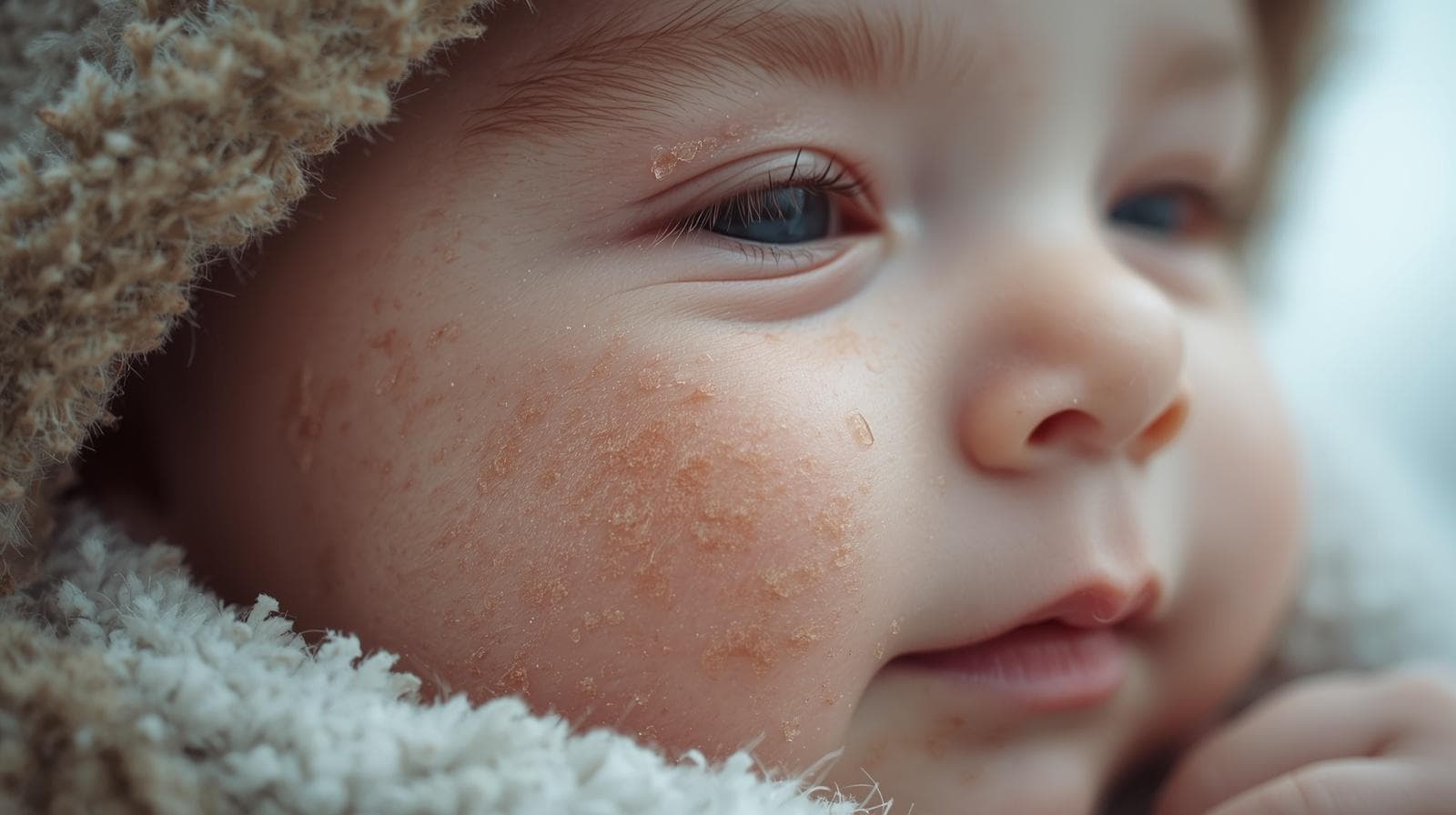
Winter Baby Skin Care: LittleQ 3T Prevents Dryness & Itch for Your Baby's Delicate Skin
As winter approaches, every parent faces the same challenge: keeping their baby's delicate skin soft, hydrated, and comfortable through the cold, dry months. Winter baby skin care requires special attention because cold outdoor air combined with indoor heating can quickly strip moisture from your baby's already fragile skin barrier. This comprehensive guide will show you exactly how LittleQ 3T prevents dryness and itch while maintaining healthy, protected skin all winter long.
Whether you're dealing with flaky cheeks, rough patches, or full-blown eczema flare-ups, understanding proper baby winter dry skin prevention and using the right gentle baby cleanser winter products makes all the difference. Let's explore expert dermatologist recommendations and practical strategies to keep your little one comfortable throughout the season.
Why Winter Is So Harsh on Baby Skin
Before diving into solutions, it's important to understand why itchy baby skin winter is such a common problem. Several factors combine to make winter particularly challenging for infant skin:
The Science Behind Winter Dryness
Low humidity outdoors: Cold air holds less moisture, creating naturally dry conditions that dehydrate skin
Indoor heating: Central heating, space heaters, and radiators further reduce indoor humidity to 10-20% (optimal is 40-50%)
Temperature fluctuations: Moving between cold outdoors and warm indoors stresses the skin barrier
Thinner skin barrier: Baby skin is 30% thinner than adult skin, making it more vulnerable to moisture loss
Reduced natural oils: Cold weather slows sebum production, leaving skin less protected
The result? Baby eczema winter care becomes essential for many families, as up to 20% of infants develop eczema or severe dry skin during winter months.
Signs Your Baby's Skin Needs Extra Winter Care
Watch for these indicators that your newborn winter skin protection routine needs adjustment:
Flaky or scaly patches on cheeks, arms, legs, or torso
Redness or inflammation, especially on face and extremities
Rough, sandpaper-like texture on skin that's normally smooth
Visible cracks or fissures in severe cases, particularly on hands and feet
Frequent scratching or fussiness indicating itchiness and discomfort
Eczema flare-ups with red, itchy, oozing patches
If you notice any of these signs, it's time to implement a comprehensive winter baby skin care strategy immediately.
LittleQ 3T: Your Winter Skincare Foundation
The foundation of any effective baby skincare products India routine is a gentle, effective cleanser that doesn't strip natural oils. LittleQ 3T prevents dryness through its unique syndet (synthetic detergent) formula, which cleanses without the harsh effects of traditional soap.
How LittleQ 3T Protects Winter Skin
LittleQ 3T is specifically formulated to address the challenges of baby winter dry skin:
pH-balanced (around 5.5): Maintains baby's natural acid mantle, which is easily disrupted by harsh soaps and cold weather
Syndet formula: Uses mild, non-irritating cleansers instead of traditional soap, which can strip natural oils and worsen itchy baby skin winter
Fragrance-free: No artificial perfumes that can irritate already-sensitive winter skin
Tear-free: Safe for use on face and hair without stinging eyes, preventing crying that can further irritate facial skin
Hypoallergenic: Minimizes risk of allergic reactions or contact dermatitis, which are more common when skin barrier is compromised
Enriched with skin-loving ingredients: Contains plant-based actives that support skin barrier function and provide gentle hydration
Why Traditional Soaps Worsen Winter Dryness
Conventional soaps and body washes can make baby eczema winter care much more difficult because they:
Strip natural oils: Harsh surfactants remove the protective lipid layer that keeps moisture in.
Disrupt pH balance: Traditional soap has a high pH (9-10) that compromises the skin's acid mantle
Contain irritants: Fragrances, dyes, and preservatives can trigger inflammation in already-stressed skin
Leave residue: Some soaps don't rinse cleanly, leaving behind film that can irritate sensitive skin
By switching to LittleQ 3T prevents dryness formula, you're giving your baby's skin the best possible foundation for winter health.
The Complete Winter Baby Skin Care Routine
A comprehensive winter baby skin care routine goes beyond just choosing the right cleanser. Here's the complete step-by-step approach dermatologists recommend for preventing baby winter dry skin and maintaining healthy, comfortable skin all season long.
Step 1: Optimize Bath Time for Winter
Bathing is when you can either help or harm your baby's winter skin. Follow these guidelines to make baths protective rather than drying:
Water Temperature: Lukewarm, Not Hot
Keep water at 98-100°F (37-38°C)—test with your wrist or elbow
Hot water feels good but strips natural oils and worsens itchy baby skin winter
If water makes your skin red, it's too hot for baby
Bath Duration: Short and Sweet
Limit baths to 5-10 minutes maximum to prevent over-drying
Longer baths may feel soothing but actually dehydrate skin
For babies with eczema, even shorter baths (3-5 minutes) may be better
Cleanser Choice: LittleQ 3T Prevents Dryness
Use LittleQ 3T or similar gentle, fragrance-free syndet cleanser
Apply only to soiled areas (diaper area, neck folds, hands) rather than full body
On very dry days, use plain water for most of the body and reserve cleanser for high-need areas
Avoid bubble baths, foaming soaps, and scented products that strip oils
Bath Frequency: Less Is More
Continue 2-3 baths per week even in winter unless baby gets very dirty
Over-bathing in winter can severely compromise skin barrier
Daily spot cleaning of face, hands, and diaper area is more important than frequent full baths
Step 2: The Critical 3-Minute Moisturizing Window
The single most important step in winter baby skin care is applying moisturizer immediately after bathing. This "soak and seal" method is dermatologist-recommended for preventing baby winter dry skin and managing baby eczema winter care.
Why Timing Matters:
Damp skin absorbs moisturizer 10x better than dry skin
Moisturizer applied within 3 minutes traps water in the skin, preventing evaporation
Waiting even 10 minutes significantly reduces hydration benefits
How to Apply Moisturizer Correctly:
Pat dry gently: After bath, pat baby's skin with a soft towel—don't rub, which can irritate
Leave skin slightly damp: Don't dry completely; leave a thin layer of moisture on skin
Apply within 3 minutes: Have moisturizer ready and apply immediately while skin is still damp
Use generous amounts: Don't skimp—use enough to make skin look slightly shiny
Cover entire body: Apply from head to toe, even areas that don't look dry
Reapply throughout day: For very dry skin, moisturize 2-3 times daily, not just after baths
Best Moisturizer Ingredients for Winter:
Look for products containing these powerhouse ingredients:
Ceramides: Restore skin's natural barrier and prevent moisture loss
Glycerin: Humectant that draws water into skin and holds it there
Shea butter: Rich emollient that provides deep, long-lasting hydration
Petrolatum (Vaseline): Occlusive that creates protective barrier to prevent water loss
Hyaluronic acid: Attracts and retains up to 1000x its weight in water
Colloidal oatmeal: Soothes itching and reduces inflammation in eczema-prone skin
Niacinamide: Strengthens skin barrier and reduces redness
Cream vs. Lotion vs. Ointment:
For baby winter dry skin, texture matters:
Ointments (Vaseline, Aquaphor): Thickest, most occlusive—best for severe dryness and eczema
Creams (CeraVe, Cetaphil): Thick, rich, highly moisturizing—ideal for most winter conditions
Lotions: Thinner, more water content—may not be hydrating enough for harsh winter
Recommendation: Use thick creams or ointments during winter months, especially for babies prone to itchy baby skin winter or eczema.
Step 3: Control Your Indoor Environment
You can't control the weather outside, but you can optimize your baby's indoor environment to prevent baby winter dry skin.
Use a Humidifier
Running a cool-mist humidifier is one of the most effective winter baby skin care strategies:
Ideal humidity: Maintain 40-50% relative humidity in baby's room and main living areas
Benefits: Adds moisture to dry heated air, preventing skin dehydration and improving breathing
When to use: During naps, nighttime sleep, and whenever baby is in the room
Type: Cool-mist humidifiers are safer than warm-mist (no burn risk)
Maintenance: Clean daily to prevent mold and bacteria growth
Temperature Control
Keep thermostat moderate: Set to 68-72°F (20-22°C)—overheating dries skin further
Avoid direct heat: Keep baby away from radiators, heating vents, and fireplaces that can overheat and dry skin
Dress in layers: Use breathable cotton layers you can add or remove rather than heavy clothing that causes sweating
Air Quality
Avoid smoke and pollutants: Secondhand smoke and air pollution worsen skin irritation and eczema
Use air purifier if needed: Especially helpful in urban areas or for babies with allergies
Step 4: Dress for Winter Skin Health
What your baby wears directly impacts newborn winter skin protection. Follow these guidelines:
Fabric Choices
Cotton is king: Soft, breathable, hypoallergenic—ideal for direct skin contact
Avoid wool: Scratchy fibers irritate sensitive skin and trigger eczema flares
Skip synthetics: Polyester and acrylic trap heat and sweat, causing irritation
Silk options: For severe eczema, silk clothing and bedding can reduce friction and irritation
Laundry Care
Use fragrance-free detergent: Choose products like All Free & Clear or similar hypoallergenic options
Skip fabric softeners and dryer sheets: These leave residue that irritates sensitive skin
Double rinse: Run an extra rinse cycle to remove all detergent residue
Wash new clothes before wearing: Removes finishing chemicals, dyes, and formaldehyde that can trigger reactions
Layering Strategy
Base layer: Soft cotton onesie or bodysuit next to skin
Middle layer: Cotton or fleece for warmth
Outer layer: Weather-appropriate jacket or snowsuit for outdoor time
Remove layers indoors: Prevent overheating and sweating, which irritates skin
Protect Extremities
Mittens or gloves: Protect hands from cold, wind, and scratching (use cotton or cotton-lined)
Hats: Cover head and ears when outdoors to prevent heat loss and windburn
Socks or booties: Keep feet warm and protected
Step 5: Protect Skin from Outdoor Elements
When you do venture outside, take extra precautions to protect your baby's baby winter dry skin:
Before Going Out
Apply thick moisturizer or ointment to exposed areas (face, hands) 15-20 minutes before leaving
Use barrier ointment like Vaseline on cheeks to protect from wind and cold
Dress in layers with windproof outer layer
During Outdoor Time
Limit exposure: Keep outdoor time brief in very cold or windy conditions (15-30 minutes max for infants)
Use stroller cover: Protects from wind while allowing airflow
Watch for signs of cold: Check that hands, feet, and face aren't too cold or turning red/blue
After Coming Inside
Remove wet clothes immediately: Damp clothing from snow or rain chills skin and causes irritation
Warm up gradually: Don't place baby directly next to heater or fireplace
Reapply moisturizer: Rehydrate skin after exposure to cold, dry air
Special Considerations for Eczema-Prone Babies
If your baby has eczema or is prone to itchy baby skin winter, you'll need to take extra precautions. Baby eczema winter care requires a more intensive approach:
Enhanced Moisturizing Strategy
Moisturize 3-4 times daily: Not just after baths, but throughout the day on dry patches
Use ointments, not lotions: Thicker formulations provide better barrier protection
Apply to damp skin: Always moisturize within 3 minutes of bathing or washing
Don't skip areas: Even skin that looks normal needs protection
Bath Modifications
Shorter baths: 3-5 minutes maximum in lukewarm water
Use LittleQ 3T prevents dryness formula: Gentle enough for daily use on eczema-prone skin
Avoid bubble baths entirely: Detergents worsen eczema
Consider bleach baths: For severe eczema, your dermatologist may recommend diluted bleach baths to reduce bacteria (follow medical guidance)
Medical Treatment
Topical steroids: For active flares, use prescribed or OTC hydrocortisone 1% as directed by your pediatrician
Apply medicine first: Use topical medications on affected areas before moisturizing
Moisturize over medicine: Apply moisturizer to all skin except where you just applied eczema medicine
Wet wrap therapy: For severe flares, apply moisturizer, then wrap with damp cotton pajamas, then dry layer—ask your dermatologist for guidance
When to See a Doctor
Consult your pediatrician or dermatologist if:
Eczema doesn't improve with home care after 1-2 weeks
Skin becomes infected (oozing, crusting, yellow discharge, fever
Baby seems very uncomfortable or sleep is severely disrupted
You're unsure whether it's eczema or another skin condition
Common Winter Skincare Mistakes to Avoid
Even well-meaning parents can make mistakes that worsen baby winter dry skin. Here are the most common pitfalls:
1. Bathing Too Frequently or Too Long
Daily, long baths strip natural oils and worsen itchy baby skin winter. Stick to 5-10 minutes, 2-3 times per week.
2. Using Water That's Too Hot
Hot water feels good but severely dehydrates skin. Keep it lukewarm (98-100°F / 37-38°C).
3. Skipping Moisturizer or Applying Too Late
Waiting even 10 minutes after bathing significantly reduces moisturizer effectiveness. Apply within 3 minutes while skin is still damp.
4. Using the Wrong Moisturizer Type
Lotions are too thin for harsh winter conditions. Use thick creams or ointments containing ceramides, glycerin, or petrolatum.
5. Overheating Indoor Spaces
Cranking the thermostat dries air further and dehydrates skin. Keep temperature moderate (68-72°F / 20-22°C) and use a humidifier.
6. Dressing Baby in Wool or Synthetics
These fabrics irritate sensitive skin and trap sweat. Stick to soft cotton layers.
7. Using Fragranced Products
Fragrances (even "natural" ones) can irritate compromised winter skin. Choose fragrance-free, hypoallergenic products like LittleQ 3T prevents dryness.
8. Not Using a Humidifier
Heated indoor air is extremely dry (10-20% humidity). Run a cool-mist humidifier to maintain 40-50% humidity.
Sample Winter Skincare Routine by Age
Here's how to adapt your winter baby skin care routine for different ages:
Newborns (0-2 Months)
Morning:
Gentle face wipe with warm, damp cloth
Apply thick moisturizer to cheeks and any dry patches
Dress in soft cotton layers
Bath Days (2-3 times per week):
Lukewarm bath (5-7 minutes) with LittleQ 3T on diaper area and neck folds only
Pat dry, leave slightly damp
Apply thick cream or ointment head-to-toe within 3 minutes
Dress in clean cotton clothes
Evening:
Reapply moisturizer to face and dry areas before bed
Run humidifier in nursery
Infants (2-12 Months)
Morning:
Quick wipe of face and hands
Apply moisturizer to exposed areas (face, hands)
Dress in cotton layers appropriate for weatherp
Bath Days (2-3 times per week):
Lukewarm bath (5-10 minutes) with LittleQ 3T prevents dryness formula
Use cleanser on soiled areas; rinse-only for rest of body
Pat dry, apply thick cream head-to-toe within 3 minutes
Extra attention to cheeks, elbows, knees, and diaper area
Throughout Day:
Reapply moisturizer to face and hands after outdoor time
Change wet or soiled clothes immediately
Evening:
Full body moisturizer application before bed
Run humidifier during sleepToddlers (12+ Months)
Morning:
Quick face and hand wash with LittleQ 3T
Apply moisturizer to face, hands, and any dry patches
Dress in cotton layers
Bath Days (2-3 times per week or daily if enjoys baths):
Lukewarm bath or shower (5-10 minutes)
Use LittleQ 3T on body; gentle face wash for facel
Pat dry, apply cream all over within 3 minutes
Let toddler help apply moisturizer to arms and legs (makes it fun!)
Before Outdoor Play:
Apply barrier ointment to cheeks and hands
Dress in layers with mittens and hat
After Outdoor Play:
Remove wet clothes immediately
Wash hands and face, reapply moisturizer
Evening:
Full body moisturizer before bed
Humidifier in bedroom
Frequently Asked Questions (FAQ)
1. How often should I bathe my baby during winter?
Continue bathing your baby 2-3 times per week during winter, same as other seasons. More frequent bathing can strip natural oils and worsen baby winter dry skin. On non-bath days, clean face, hands, and diaper area with warm, damp cloths.
2. Can I use LittleQ 3T every day in winter?
Yes, LittleQ 3T prevents dryness and is gentle enough for daily use, even in winter. However, for newborns and babies with very dry skin, using it 2-3 times per week and rinsing with plain water on other days may be sufficient. Always follow with moisturizer within 3 minutes.littleq+1
3. My baby's skin is still dry even with moisturizer. What should I do?
If your baby's itchy baby skin winter persists despite moisturizing:
Switch from lotion to thicker cream or ointment (Vaseline, Aquaphor, CeraVe)
Apply more frequently (3-4 times daily instead of just after baths)
Ensure you're applying within 3 minutes of bathing while skin is still damp
Run a humidifier to maintain 40-50% humidity
Check that bath water isn't too hot and baths aren't too long
Consult your pediatrician if dryness doesn't improve within 1-2 weeks
4. Is it safe to use a humidifier in my baby's room?
Yes, cool-mist humidifiers are safe and highly recommended for winter baby skin care. Benefits include:
Prevents skin dryness by adding moisture to heated air
Helps baby breathe easier by thinning mucus
Improves sleep quality
Safety tips:
Use cool-mist (not warm-mist) to avoid burn risk
Clean daily to prevent mold and bacteria
Maintain 40-50% humidity (use a hygrometer to monitor)
Place humidifier away from baby's crib to prevent direct mist exposure
5. Should I stop bathing my baby if their skin is very dry?
No, don't stop bathing entirely—but modify your approach:
Shorten baths to 3-5 minutes
Use lukewarm (not hot) water
Use LittleQ 3T prevents dryness formula or plain water only
Apply thick moisturizer or ointment immediately after bathing
Consider "soak and seal" method: brief soak in lukewarm water, then immediately seal with ointment
6. Can winter dryness cause eczema in babies who never had it before?
Yes, winter conditions can trigger eczema in babies who are predisposed but haven't shown symptoms before. Cold, dry air compromises the skin barrier, and in babies with genetic susceptibility, this can lead to first-time eczema flares. Prevention through proper winter baby skin care is key.
7. What's the difference between winter dryness and eczema?
Winter dryness:
General dryness, flakiness, rough texture
Improves with regular moisturizing and humidity control
No red, inflamed, or oozing patches
Eczema (atopic dermatitis):
Red, inflamed, itchy patches
May ooze, crust, or bleed from scratching
Often appears in specific areas (cheeks, elbows, knees, behind ears)
Requires medical treatment (topical steroids) in addition to moisturizing
If you're unsure, consult your pediatrician for proper diagnosis and treatment.
8. Can I use Vaseline on my baby's face in winter?
Yes, Vaseline (petrolatum) is safe and highly effective for protecting baby's face in winter. Apply a thin layer to cheeks before going outdoors to create a barrier against wind and cold. It's also excellent for sealing in moisture after bathing on very dry areas. Just avoid the eye area and use sparingly to prevent clogged pores.hopkinsmedicine+1
Final Thoughts : Protect Your Baby's Skin All Winter Long
Winter baby skin care doesn't have to be complicated, but it does require intentionality and consistency. By following these expert-recommended strategies—using LittleQ 3T prevents dryness formula, moisturizing within 3 minutes of bathing, controlling indoor humidity, and dressing your baby in soft cotton layers—you can prevent baby winter dry skin, reduce itchy baby skin winter discomfort, and minimize baby eczema winter care challenges.
Remember the key principles:
Gentle cleansing: Use LittleQ 3T or similar fragrance-free, pH-balanced cleansers
Moisturize immediately: Apply thick cream or ointment within 3 minutes of bathing
Control environment: Run a humidifier and keep indoor temperature moderate
Dress smart: Soft cotton layers, avoid wool and synthetics
Protect outdoors: Use barrier ointments and limit exposure to cold, windy conditions
With these strategies in place, your baby can enjoy soft, comfortable, healthy skin all winter long—no flakiness, no itching, no eczema flares.
Ready to protect your baby's delicate skin this winter?
Start with LittleQ 3T—the gentle, pediatrician-recommended cleanser trusted by parents across India for preventing dryness and maintaining healthy skin barrier function. Visit LittleQ.in to explore our full range of baby skincare products India designed specifically for winter protection.
Need personalized guidance? Reach out to our team of pediatric experts or consult your healthcare provider for advice tailored to your baby's unique skin needs. Winter comfort starts with the right routine—and the right products.
Disclaimer: The information in this blog is here to help and inform, but it is not a replacement for advice from a doctor or nutritionist. We try to share correct and useful information, but we always suggest talking to your child’s pediatrician or nutritionist for specific advice about their health and nutrition. These professionals know what’s best for your child’s unique needs.