
Sensitive Scalp Baby Wash: Little Q 3T for Cradle Cap
Learn how a sensitive scalp baby wash like Little Q 3T supports gentle cleansing and discover safe, practical care tips for cradle cap.Little Q
Sensitive Scalp Baby Wash: Little Q 3T Gentle Care for Cradle Cap
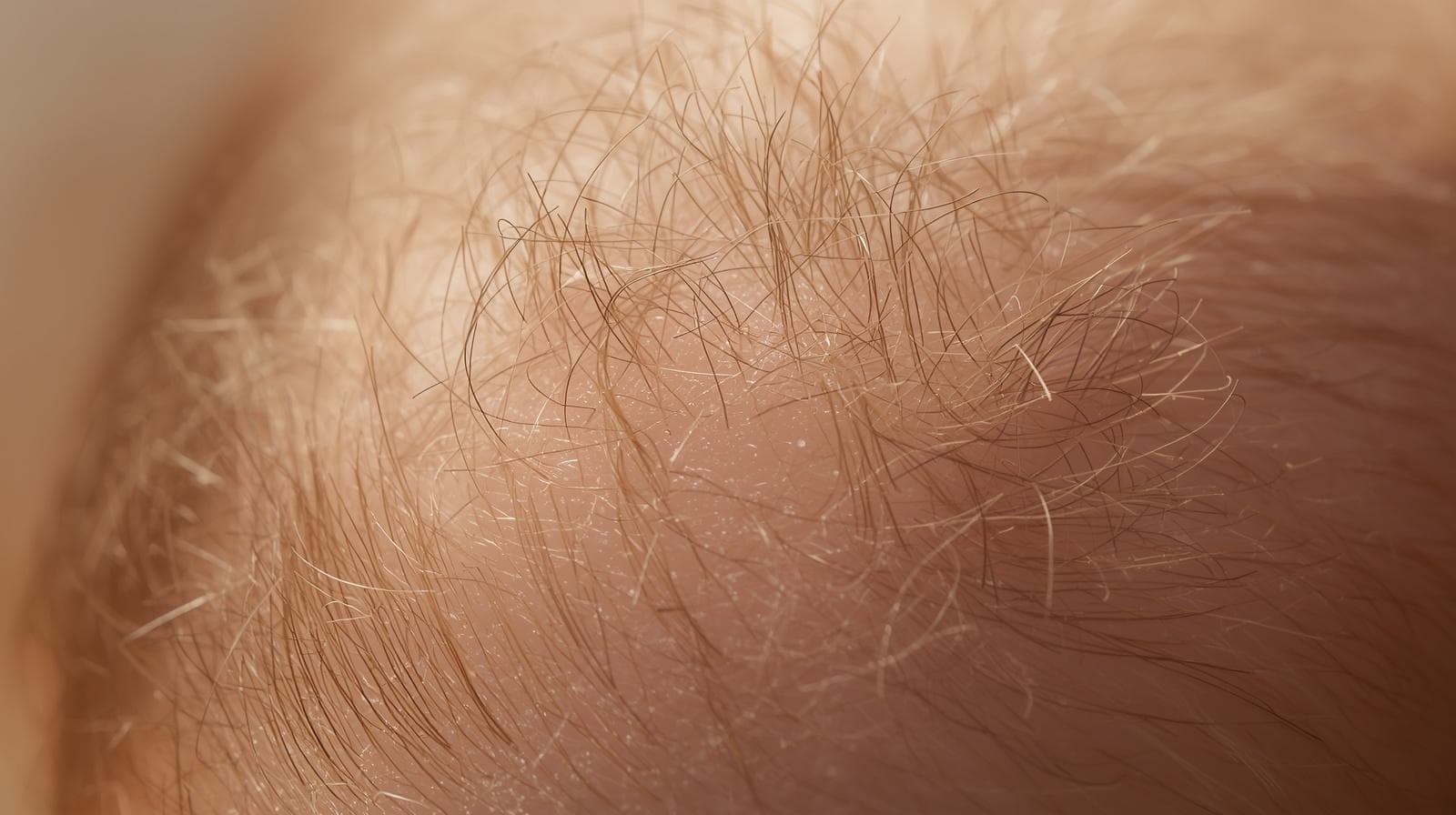
A baby’s scalp can become dry, flaky or covered with yellowish scales during the first months of life. This common condition is often called cradle cap. Although it usually does not cause serious problems, parents may feel unsure about which product to use and how to clean the scalp without causing irritation.
Choosing a sensitive scalp baby wash can help parents maintain gentle cleansing while avoiding harsh rubbing or strong adult dandruff products.
Little Q 3T is a head-to-toe syndet cleanser designed for delicate newborn and sensitive skin. Its listed cleansing agents include SCI-85, Decyl Glucoside and Sodium Cocoyl Glycinate. The formula also contains Ceramide NP, Niacinamide, D-Panthenol, Hyaluronic Acid, Oat, Calendula, Aloe Vera and Licorice.
This article explains what cradle cap is, how to care for a baby’s scalp safely and how Little Q 3T may fit into a gentle scalp-care routine.
Important note: Little Q 3T is a cosmetic cleanser, not a medical treatment for cradle cap, infection or eczema. Speak with a paediatrician or dermatologist if the scalp is painful, swollen, bleeding, oozing or not improving.
What Is Cradle Cap?
Cradle cap is the common name for infant seborrhoeic dermatitis. It often appears as:
Yellow, white or brown scales.
Greasy or waxy patches.
Flaking on the scalp.
Mild redness beneath the scales.
Crusting around the top of the head.
Scaling behind the ears or around the eyebrows in some babies.
It may develop because of oil production and the normal activity of yeast that lives on the skin. It is not usually caused by poor hygiene, and it is not a sign that parents are not washing the baby properly.
Is Cradle Cap Painful?
Cradle cap is usually not painful or intensely itchy. Some babies may have mild irritation, but many remain comfortable and behave normally.
If the baby appears to be in pain, scratches persistently or develops a very red, swollen or wet-looking scalp, the condition may be more than simple cradle cap.
Why a Sensitive Scalp Cleanser Matters
The scalp is skin. It has the same need for a healthy protective barrier as the rest of the body.
A newborn’s skin is delicate and still maturing. Strong cleansers, adult shampoos, medicated dandruff products and vigorous scrubbing may irritate the scalp.
A suitable baby wash for sensitive skin should:
Use mild cleansing agents.
Be appropriate for infants.
Rinse away easily.
Avoid aggressive scrubbing.
Be gentle around the eyes.
Provide clear age and usage information.
Avoid unnecessary irritants.
The aim is to loosen and remove excess oil and loose scale gradually, not to force every flake away in one bath.
Little Q 3T as a Scalp Cleanser
Little Q 3T is marketed as a head-to-toe cleanser for delicate newborn and sensitive skin.
This means it is positioned for the scalp, hair and body rather than only one area. A head-to-toe product can simplify the baby’s bath routine by reducing the need for separate shampoo and body wash bottles.
Mild Surfactants
The product lists SCI-85, Decyl Glucoside and Sodium Cocoyl Glycinate among its cleansing agents.
These surfactants help lift dirt, sweat, oil and residue from the scalp and hair. They are used in a syndet cleansing system rather than a traditional alkaline soap base.
A mild cleanser can help clean the scalp without requiring vigorous rubbing. However, even a mild cleanser should be used sparingly and rinsed thoroughly.
Ceramide NP
Ceramide NP is a skin-conditioning lipid associated with the outer skin barrier.
The baby skin barrier helps retain moisture and protect the scalp from external irritants. Little Q 3T includes Ceramide NP as part of its conditioning formula.
Because the product is rinsed off, it should not be considered a replacement for a leave-on treatment or prescribed cradle-cap product.
D-Panthenol
D-Panthenol, also known as provitamin B5, is commonly used for moisturising and conditioning support.
It may help contribute to a softer after-wash skin feel. It does not treat the underlying cause of cradle cap, but it complements a gentle cleansing approach.
Hyaluronic Acid and Glycerin
Hyaluronic Acid and Glycerin are humectants. They help attract and hold water, supporting a moisturised feel.
Their effect is more limited in a rinse-off cleanser than in a leave-on product. However, they contribute to the formula’s hydration-focused profile.
Oat, Calendula, Aloe Vera and Licorice
These botanical ingredients are included in the formula’s skin-comfort blend.
Oat is frequently used in products for dry skin, while Aloe Vera, Calendula and Licorice are common ingredients in cosmetic conditioning formulas.
Natural ingredients may still cause sensitivity. Parents should be cautious if their baby has a known allergy to botanical extracts.
How to Clean a Baby’s Scalp with Cradle Cap
A gentle routine is more useful than aggressive scale removal.
Step 1: Soften Stuck Scales
If the scales are thick and firmly attached, a healthcare professional may recommend applying a suitable emollient, such as petroleum jelly or mineral oil, to soften them.
Do not use an oil that may cause an allergic reaction without professional advice. Cleveland Clinic specifically advises caution with food-based oils and recommends avoiding olive oil and peanut oil for baby scalp care.
Step 2: Massage Gently
Use clean fingertips to massage the scalp lightly. Do not use fingernails.
The goal is to loosen softened scales, not scratch the skin. Scratching can create small breaks that may become infected.
Step 3: Use a Soft Brush if Needed
A soft baby brush may help lift scales that have already loosened. Brush gently and stop if the baby becomes uncomfortable.
Never use a hard brush, comb with sharp teeth or adult scalp tools.
Step 4: Clean with a Mild Baby Wash
Use a small amount of Little Q 3T baby wash according to the product directions. Gently cleanse the hair and scalp, then rinse thoroughly.
Little Q 3T is described as a tear-free baby wash, but parents should still avoid deliberate contact with the eyes.
Step 5: Rinse Completely
Oil, loosened scales and cleanser should be removed from the scalp. Residue may contribute to a greasy feeling or irritation.
Step 6: Pat Dry
Wrap the baby in a soft towel and pat the scalp dry. Do not rub vigorously.
How Often Should You Wash a Cradle-Cap Scalp?
The right frequency depends on the severity of the scales and the baby’s skin.
The American Academy of Dermatology also notes that washing as frequently as every other day may help some babies and recommends fragrance-free baby shampoo.
These recommendations are general. If your baby has very dry or reactive skin, ask a healthcare professional how often to cleanse the scalp.
What Not to Do for Cradle Cap
Do Not Pick the Scales
Picking can damage the scalp and increase the risk of infection. Allow scales to loosen gradually through gentle washing and brushing.
Do Not Scratch with Fingernails
Fingernails can create small cuts even when the skin does not appear visibly damaged.
Do Not Use Adult Dandruff Shampoo
Adult dandruff shampoos may contain active ingredients that are not suitable for babies. Cleveland Clinic advises using a mild, unscented baby shampoo rather than adult dandruff products.
Do Not Scrub Hard
Hard scrubbing can worsen irritation and may make the scalp red or sore.
Do Not Use Multiple Oils
Using several products can make the scalp greasy and make it harder to identify the cause of irritation. Use only a product recommended for your baby’s age and condition.
Do Not Assume Every Scalp Rash Is Cradle Cap
Eczema, fungal infection, contact dermatitis and other conditions may look similar. Seek medical advice if the appearance is unusual or symptoms worsen.
Benefits of a Gentle Syndet Wash
Helps Clean Without Traditional Soap
A baby syndet wash uses synthetic detergent ingredients rather than conventional alkaline soap.
Syndet cleansers may be formulated at a neutral or mildly acidic pH, which can be more compatible with delicate skin than strongly alkaline soap.
Supports a Simple Scalp Routine
Little Q 3T is designed for head-to-toe cleansing. One product may simplify the routine by providing cleansing for the scalp, hair and body.
May Reduce the Need for Vigorous Scrubbing
A mild cleanser can help loosen oil and residue so that parents do not need to scrub aggressively.
Supports Comfortable Skin Care
The combination of mild surfactants, Ceramide NP, D-Panthenol and conditioning ingredients supports the product’s gentle-care positioning.
Useful for Travel and Everyday Bathing
A head-to-toe product is convenient for families who want fewer bottles at home or while travelling.
Choosing a Scalp Cleanser for Babies
When selecting a gentle baby cleanser, parents should check:
Mild Cleansing Agents
Look for a product formulated specifically for babies. Mild surfactants may be more suitable than harsh adult cleansers.
pH Information
A pH-balanced baby wash may be more compatible with the skin’s natural surface environment.
Fragrance
Fragrance may irritate some babies. Parents of children with reactive skin may prefer fragrance-free options.
Age Guidance
Check whether the product is suitable for newborns or older infants. Premature babies may require special guidance.
Complete Labelling
Look for:
Full ingredient list.
Manufacturer details.
Batch number.
Expiry information.
Recommended age.
Usage directions.
Warnings.
When to Seek Medical Advice
Contact a paediatrician or dermatologist if:
Cradle cap does not improve after several weeks.
The scales spread widely over the body.
The scalp becomes very red or swollen.
Crusts bleed or leak fluid.
There is a bad smell.
The baby appears to be in pain.
The baby scratches persistently.
Hair loss occurs in affected areas.
Pus-filled bumps appear.
The rash extends beyond the scalp.
The NHS advises seeking medical help if cradle cap does not improve, spreads over the body, bleeds, leaks fluid or looks swollen.
Frequently Asked Questions
Can Little Q 3T be used on a baby with cradle cap?
Little Q 3T is marketed as a head-to-toe cleanser for delicate newborn and sensitive skin. It may be used as part of a gentle scalp routine according to the product directions, but it is not a medicated cradle-cap treatment.
Is Little Q 3T a sensitive scalp baby wash?
It is positioned as a cleanser for delicate and sensitive skin and contains mild syndet surfactants. Individual responses vary, so stop using it if irritation appears.
Can I remove cradle-cap flakes with a comb?
Use only a soft baby brush or suitable fine-toothed baby comb after scales have softened. Do not force attached flakes away or scratch the scalp.
Should I wash my baby’s hair daily?
Some medical guidance recommends daily or every-other-day washing during active cradle cap, while other babies may need less frequent cleansing. Follow your healthcare professional’s advice and adjust if the scalp becomes dry or irritated.
Is cradle cap caused by poor hygiene?
No. Cradle cap is common in infants and is not usually caused by inadequate washing.
Can I use adult anti-dandruff shampoo?
No, not unless specifically prescribed or recommended by a healthcare professional. Adult products may contain active ingredients unsuitable for babies.
Is Little Q 3T safe around the eyes?
The product is described as a tear-free baby wash, but parents should still avoid deliberate eye contact. Rinse with clean water if the product enters the eyes.
When should I see a doctor?
Seek medical advice if the scalp is swollen, painful, bleeding, oozing, foul-smelling or not improving with gentle care. Also seek advice if the rash spreads beyond the scalp.
Final Thoughts :Choose Gentle Scalp Care
Cradle cap is common and usually temporary, but caring for a baby’s scalp requires patience. The safest approach is to soften stubborn scales when advised, massage gently, use a soft brush only when appropriate and wash with a mild cleanser.
Little Q 3T offers syndet cleansing with SCI-85, Decyl Glucoside and Sodium Cocoyl Glycinate, along with Ceramide NP, D-Panthenol, Hyaluronic Acid and botanical conditioning ingredients. This makes it a practical option for parents seeking a sensitive scalp baby wash for gentle everyday cleansing.littleq
It should not be presented as a cure for cradle cap. If the scalp becomes inflamed, infected-looking or resistant to home care, professional assessment is the safest next step.
Make newborn scalp care softer with Little Q 3T baby wash—a mild, head-to-toe syndet cleanser designed for delicate baby skin and comfortable bath-time care.
Disclaimer: The information in this blog is here to help and inform, but it is not a replacement for advice from a doctor or nutritionist. We try to share correct and useful information, but we always suggest talking to your child’s pediatrician or nutritionist for specific advice about their health and nutrition. These professionals know what’s best for your child’s unique needs.