
Psoriasis in Babies: Gentle Cleansing with LittleQ 3T Wash
Learn about psoriasis in babies and discover how Little Q 3T may support gentle, soap-free cleansing as part of dermatologist-guided skin care.Little Q
Psoriasis in Babies: Gentle Cleansing with Little Q 3T Wash
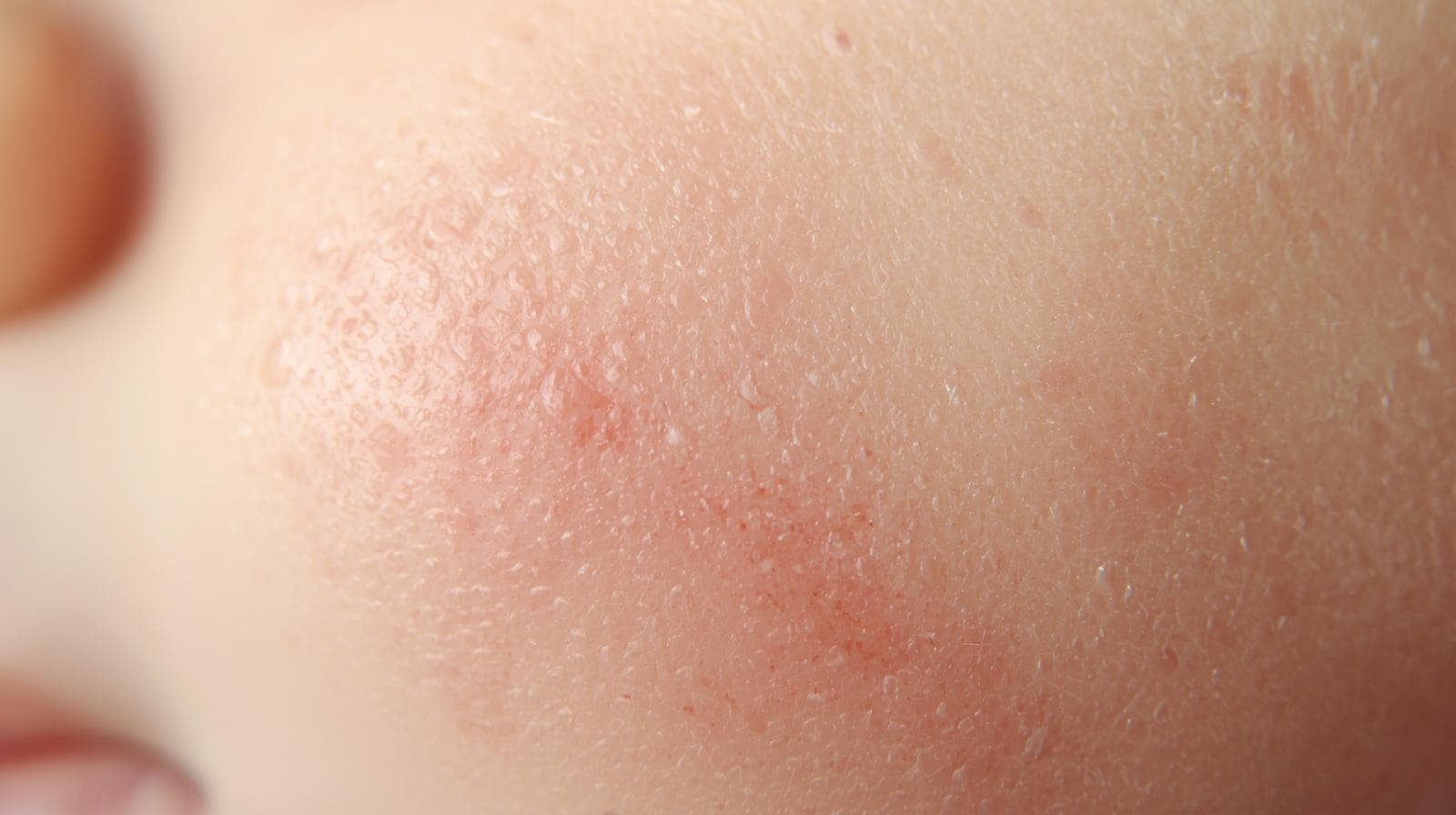
When parents notice red, scaly or persistent patches on a baby’s skin, they may wonder whether it could be psoriasis in babies. Infant psoriasis is uncommon and can resemble several other conditions, including eczema, cradle cap, heat rash and diaper dermatitis.
Because these conditions can look similar, parents should not try to diagnose psoriasis from photographs or online descriptions alone. A paediatrician or dermatologist can examine the rash, review the baby’s history and recommend appropriate treatment.
Bathing remains an important part of comfort-focused care. A mild, soap-free cleanser can help remove sweat, oil and residue without unnecessary friction. Little Q 3T is a head-to-toe syndet cleanser designed for delicate newborn and sensitive skin. Its listed cleansing ingredients include SCI-85, Decyl Glucoside and Sodium Cocoyl Glycinate, along with Ceramide NP, Niacinamide, D-Panthenol, Hyaluronic Acid, Oat, Calendula, Aloe Vera and Licorice.
This guide explains what parents should know about infant psoriasis, how gentle cleansing may support comfort and where Little Q 3T can fit into a dermatologist-guided routine.
Important note: Little Q 3T is a cosmetic cleanser, not a treatment for psoriasis. Do not apply medicated products, steroid creams, oils or other treatments without professional guidance.
What Is Psoriasis?
Psoriasis is an immune-mediated inflammatory skin condition. It causes skin cells to develop and move to the surface more quickly than usual, leading to patches, plaques or scaling.
In older children and adults, psoriasis may appear as well-defined red or darker plaques with silvery-white scale. In babies, the presentation may be less typical.
The condition may involve:
The diaper area.
The scalp.
The face.
The neck.
The folds.
The elbows and knees.
The lower back.
The genital area.
The skin around the navel.
A review of paediatric psoriasis reports that infants may present with a persistent diaper-area rash that does not respond to standard diaper dermatitis treatment. Psoriatic diaper rash may involve the groin folds and appear sharply defined.
Is Psoriasis Contagious?
No. Psoriasis is not an infection and does not spread from one person to another through touch, bathing, towels or clothing.
Parents should also understand that psoriasis is not caused by poor hygiene. Washing more aggressively will not remove the underlying condition and may worsen irritation.
What Does Psoriasis Look Like in Babies?
Infant psoriasis symptoms can vary. A baby may have:
Clearly defined red or darker patches.
Smooth, shiny redness in the diaper area.
Scaling on the scalp.
Thick or persistent patches.
Itching or discomfort.
Cracked or bleeding skin.
A rash that does not improve with usual diaper care.
The appearance may vary significantly depending on the baby’s skin tone. On darker skin, inflammation may look brown, purple, grey or darker than the surrounding skin rather than bright red.
Diaper Psoriasis
Diaper psoriasis may be mistaken for ordinary diaper rash. Some clues that suggest professional review include:
A rash that persists despite frequent diaper changes.
Involvement of the groin folds.
Sharply outlined areas.
Smooth, bright inflammation.
Rash extending beyond the diaper area.
Similar patches on the scalp, face or body.
A family history of psoriasis.
These signs do not confirm psoriasis. A healthcare professional must assess the rash.
Scalp Psoriasis
Scalp psoriasis may cause thicker plaques or scale that extend beyond the hairline. It can resemble cradle cap or seborrhoeic dermatitis.
Do not scrape or pick at scales. Aggressive removal can irritate the skin and cause small breaks.
Why Diagnosis Matters
Several infant conditions can resemble psoriasis.
Eczema
Eczema often causes dry, itchy, inflamed skin. It commonly affects the cheeks and outer surfaces of the arms and legs in babies.
Cradle Cap
Cradle cap can cause greasy yellow or white scales on the scalp. It is usually mild and temporary.
Diaper Dermatitis
Ordinary diaper rash is commonly linked to moisture, urine, stool and friction. It may improve with frequent diaper changes and barrier protection.
Candidal Rash
A yeast-related diaper rash may have strong redness and small spots around the main rash. It may require antifungal treatment.
Contact Dermatitis
A reaction to wipes, detergent, fragrance, creams or fabrics may cause redness in areas that touched the trigger.
Because treatments differ, the correct diagnosis matters. A cleanser alone cannot distinguish among these conditions.
Riley Children’s Health notes that a paediatric dermatologist may examine the entire skin, review health and family history and occasionally use a biopsy when the diagnosis is unclear.
How Bathing Affects Psoriatic Skin
Bathing can remove sweat, oil, residue and irritants from the skin. It can also temporarily hydrate the surface.
However, hot water, harsh soap and vigorous scrubbing may increase dryness and irritation.
Use Lukewarm Water
Hot water can make inflamed skin feel worse. Use comfortably warm water instead.
Keep Baths Brief
Children with inflamed skin generally benefit from short baths. The American Academy of Dermatology recommends warm—not hot—water and limiting baths to about 5–10 minutes for children with eczema; similar gentle principles may help when caring for other inflammatory skin conditions.
Avoid Scrubbing
Do not use rough sponges, brushes or exfoliating tools. Wash with clean hands or a very soft cloth.
Rinse Thoroughly
Product residue may irritate skin folds or already inflamed patches. Rinse carefully around the neck, underarms, groin and behind the ears.
Moisturise Afterward
If the healthcare professional recommends moisturising, apply a suitable fragrance-free cream or ointment soon after bathing.
A cleanser supports hygiene. A leave-on moisturiser provides longer contact with the skin.
How Little Q 3T Supports Gentle Cleansing
Little Q 3T is marketed as a head-to-toe cleanser for delicate newborn and sensitive skin.
It can be considered as part of a gentle cleansing routine when a healthcare professional agrees that a mild cleanser is appropriate.
Syndet Cleansing
Little Q 3T is a baby syndet wash. “Syndet” means synthetic detergent and refers to the cleansing base.
Syndet products use selected surfactants rather than traditional alkaline soap. They can often be formulated closer to the skin’s natural pH and may be less drying than ordinary soap.
The product lists SCI-85, Decyl Glucoside and Sodium Cocoyl Glycinate as cleansing agents.
pH-Balanced Positioning
Little Q 3T is described as a pH-balanced baby wash.
A pH-conscious cleanser may be more compatible with the skin’s natural surface environment than strongly alkaline soap.
pH balance does not treat psoriasis or guarantee that a product will suit every baby. It is one part of a wider formula.
Ceramide NP
Ceramide NP is a skin-conditioning lipid associated with the outer skin barrier.
The baby skin barrier helps reduce moisture loss and protect against external irritants. Little Q 3T includes Ceramide NP as part of its conditioning blend.
Because the product is rinsed off, Ceramide NP should not be considered a replacement for a leave-on moisturiser or psoriasis treatment.
D-Panthenol
D-Panthenol, also called provitamin B5, is commonly used for conditioning and moisturising support.
It may contribute to a softer after-bath skin feel. It is not an anti-inflammatory medication.
Hyaluronic Acid and Glycerin
Hyaluronic Acid and Glycerin are humectants. They attract and hold water, helping support hydration.
Their effect is more limited in a rinse-off cleanser than in a leave-on cream, but they contribute to the formula’s conditioning profile.
Oat, Calendula, Aloe Vera and Licorice
These botanical ingredients are included in the product’s skin-comfort blend.
Botanical ingredients may be well tolerated by many babies but can still cause sensitivity. Parents should be cautious if their baby has a known plant allergy.
Tear-Free Positioning
Little Q 3T is described as a tear-free baby wash. This means it is designed to reduce stinging if accidental contact occurs near the eyes.
Parents should still avoid deliberately putting cleanser in the eyes. Rinse with clean water if contact occurs.
Building a Gentle Routine
Step 1: Follow the Treatment Plan
If your baby has a psoriasis diagnosis, follow the plan provided by the paediatrician or dermatologist.
This may include:
A prescribed topical medicine.
A specific moisturiser.
Advice about bathing frequency.
Recommendations for scale management.
Instructions for flare-ups.
Follow-up appointments.
Do not stop prescribed treatment just because the rash looks better or because a cosmetic cleanser feels comfortable.
Step 2: Prepare the Bath
Keep the towel, cleanser, clothing, diaper and moisturiser within reach. Never leave the baby alone near water.
Step 3: Use Warm Water
Avoid hot water. Check the temperature before placing the baby in the bath.
Step 4: Clean Gently
Use a small amount of gentle baby cleanser according to the product directions. Clean sweaty or visibly soiled areas without scrubbing active plaques.
Step 5: Protect Sensitive Areas
Avoid rubbing cracked or inflamed skin. If a product stings, stop using it and discuss alternatives with your healthcare professional.
Step 6: Pat Dry
Use a soft towel and pat the skin dry. Avoid friction.
Step 7: Apply Moisturiser
Apply a prescribed or recommended moisturiser while the skin is slightly damp. Thick creams or ointments may be more effective than light lotions for very dry skin.
Choosing Products for Baby Psoriasis
Prefer Mild Cleansing
A soap-free baby wash may be more suitable than traditional alkaline soap for inflamed or sensitive skin.
Review Fragrance
Fragrance can irritate some babies. Parents may prefer fragrance-free products, particularly when the baby has recurrent flares.
Check the Full Ingredient List
Review:
Surfactants.
Fragrance.
Preservatives.
Dyes.
Botanical extracts.
Ceramides.
Humectants.
Age guidance.
Avoid Adult Psoriasis Products
Adult psoriasis products may contain salicylic acid, coal tar, corticosteroids or other active ingredients that are not suitable for babies unless prescribed.
Choose Soft Fabrics
Use loose, breathable clothing. Avoid rough wool and tight garments over plaques or folds.
Keep the Diaper Area Comfortable
Change wet or dirty diapers promptly. Use a suitable barrier product if recommended. Persistent diaper-area inflammation should be examined by a healthcare professional.
Common Mistakes to Avoid
Diagnosing the Rash Online
Photos can be helpful for education, but they cannot replace a physical examination.
Using Strong Products Without Advice
Adult anti-dandruff shampoos, steroid creams, antifungal products and keratolytic treatments should not be applied without professional guidance.
Scraping Scales
Picking or scraping can cause bleeding and increase irritation.
Using Hot Water
Hot water can worsen dryness and discomfort.
Bathing Too Long
Long baths may increase dryness, particularly when the water is hot or the skin is not moisturised promptly.
Applying Many New Products
Introduce one product at a time. Multiple changes make it difficult to identify the cause of a reaction.
Ignoring Persistent Diaper Rash
A diaper rash that does not improve with standard care may require assessment for psoriasis, yeast infection, allergy or another condition.
When to Seek Medical Advice
Contact a paediatrician or dermatologist if:
You suspect psoriasis.
The rash does not improve with usual diaper care.
The rash involves the groin folds.
The skin is cracked or bleeding.
There is yellow crusting or oozing.
The baby seems to be in pain.
The rash spreads quickly.
The baby has fever.
The scalp has thick plaques.
The rash affects the eyes or mouth.
Nails appear pitted, thickened or unusual.
Seek urgent help for facial swelling, breathing difficulty, widespread hives or signs of a severe allergic reaction.
Frequently Asked Questions
Can babies develop psoriasis?
Yes, although psoriasis is less common in babies than in older children and adults. A persistent diaper-area rash, scalp plaques or sharply defined patches may require assessment.
Is psoriasis contagious?
No. Psoriasis is an inflammatory condition and does not spread through touch, bathing, towels or clothing.
Can Little Q 3T treat baby psoriasis?
No. Little Q 3T is a cosmetic cleanser. It may support gentle cleansing but cannot replace diagnosis or prescribed treatment.
Is Little Q 3T suitable for sensitive skin?
It is marketed for delicate newborn and sensitive skin and contains mild syndet cleansing agents. Individual tolerance varies.
Can I use a soap-free baby wash on psoriatic skin?
A mild baby wash for sensitive skin may be more comfortable than traditional alkaline soap. Follow your dermatologist’s recommendations, particularly during an active flare.
Should I remove psoriasis scales from my baby’s scalp?
Do not pick or scrape scales. Ask your healthcare professional whether a suitable emollient or gentle scale-softening approach is appropriate.
Is a pH-balanced wash enough for psoriasis care?
No. A pH-balanced baby wash may support gentle cleansing, but psoriasis requires a complete treatment and skincare plan.
When should I see a dermatologist?
See a dermatologist when the rash is persistent, recurrent, painful, widespread, resistant to usual treatment or difficult to distinguish from eczema, infection or diaper dermatitis.
Final Thoughts :Gentle Cleansing for Sensitive Skin
Psoriasis in babies requires careful diagnosis and a gentle, consistent skincare approach. Because infant psoriasis can resemble eczema, cradle cap, diaper dermatitis or infection, parents should seek professional assessment rather than relying on home diagnosis.
Little Q 3T offers mild syndet cleansing with SCI-85, Decyl Glucoside and Sodium Cocoyl Glycinate, along with Ceramide NP, D-Panthenol, Hyaluronic Acid and botanical conditioning ingredients. It may be used as part of a dermatologist-guided routine, but it is not a treatment for psoriasis.
Use lukewarm water, keep baths brief, avoid scrubbing, moisturise as advised and follow the treatment plan provided by your healthcare professional.
Choose Little Q 3T baby wash for mild, soap-free cleansing designed for delicate skin. Pair gentle daily care with professional guidance to help your baby stay comfortable during every stage of skin care.
Disclaimer: The information in this blog is here to help and inform, but it is not a replacement for advice from a doctor or nutritionist. We try to share correct and useful information, but we always suggest talking to your child’s pediatrician or nutritionist for specific advice about their health and nutrition. These professionals know what’s best for your child’s unique needs.