
Nighttime Baby Bath Ritual: Little Q 3T Calming Cleanse for Better Sleep
Create a soothing nighttime baby bath ritual with Little Q 3T Calming Cleanse. Learn step-by-step routines, sleep benefits, and gentle skincare tips for peaceful nights.Little Q
Nighttime Baby Bath Ritual: Little Q 3T Calming Cleanse for Peaceful Sleep
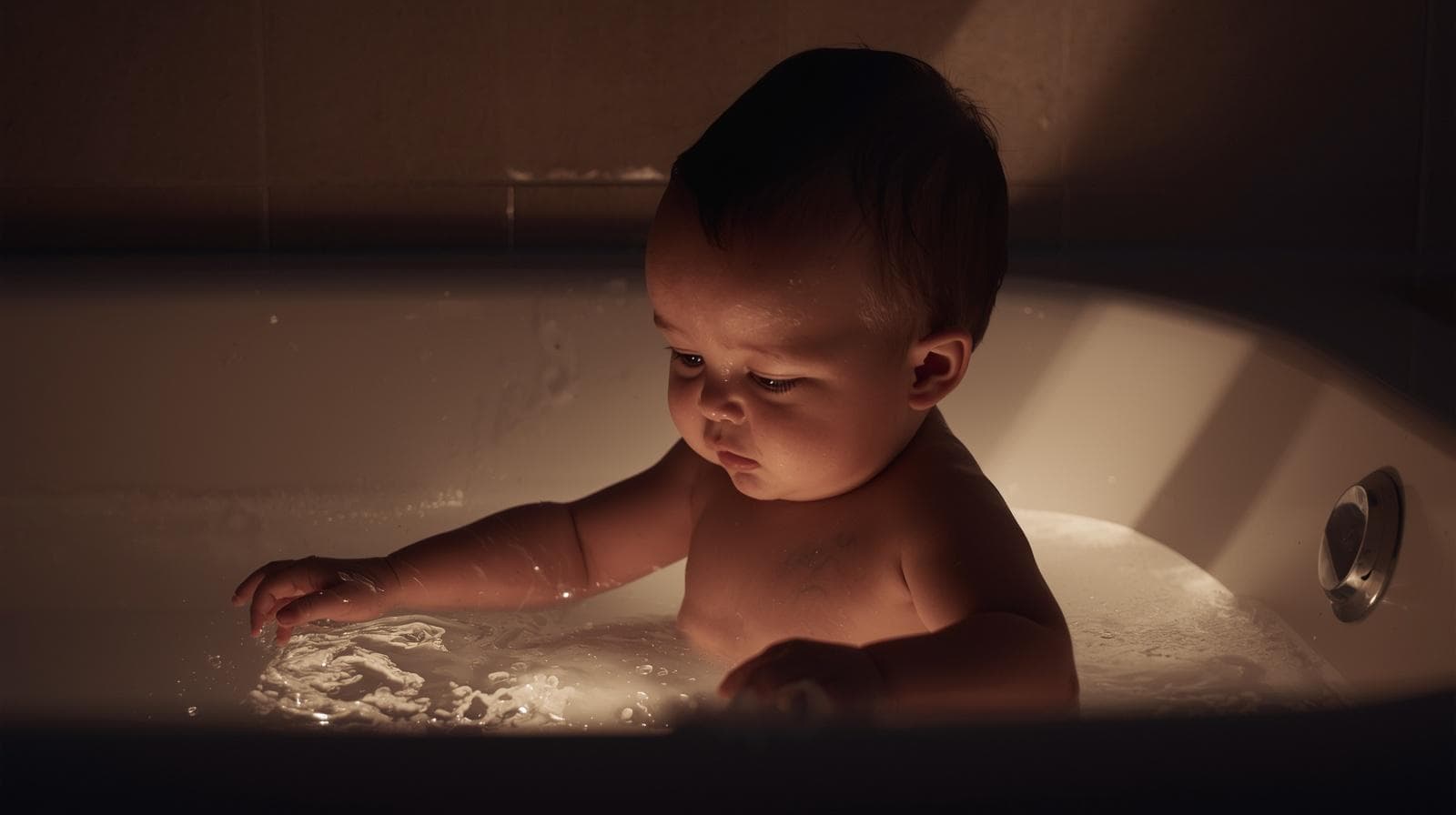
A well-designed Nighttime Baby Bath Ritual can turn those chaotic evenings into calm, predictable, and deeply bonding moments with your little one. When you combine a warm bath, gentle cleansing, soothing touch, and quiet connection, you don’t just clean your baby—you teach their body and brain that it’s time to slow down and sleep. And choosing the right product, like Little Q 3T Calming Cleanse, makes that ritual even more effective and safe for delicate skin.
In this guide, you’ll learn how to build a practical, science-informed baby bedtime routine using Little Q 3T Calming Cleanse, how warm baths support better sleep, and how to use simple steps to make your bedtime bath for babies both calming and enjoyable.
Why a Nighttime Baby Bath Ritual Helps Babies Sleep
A consistent Nighttime Baby Bath Ritual does more than just keep your baby clean—it sends powerful sleep signals to your baby’s body. Warm water, gentle touch, and predictable steps help switch your baby from “active” mode to “rest” mode. Research on bedtime routines in infants shows that a sequence of bath + massage + quiet time can reduce sleep onset time and night wakings within just a few nights.
How Warm Baths Support the Baby Sleep Routine
A warm bedtime bath for babies helps sleep in two key ways:
After a warm bath, your baby’s core body temperature drops slightly as they cool down, which naturally signals the brain that it’s time to sleep.
The sensory experience of warm water, soft voices, and gentle washing activates the parasympathetic nervous system—the “rest and digest” system—helping your baby feel calm and drowsy.nunalu
When you repeat the same baby bedtime routine every evening, your baby starts to associate the steps with sleep. Over time, just starting the bath can trigger yawns and relaxation because their brain “recognizes” the ritual.
Meet Little Q 3T Calming Cleanse: Your Ideal Calming Baby Wash
Choosing the right calming baby wash is essential for a successful Nighttime Baby Bath Ritual. Little Q 3T Calming Cleanse is designed as a gentle baby cleanser that supports sensitive newborn and infant skin while complementing your baby sleep routine.
Key Benefits of Little Q 3T Calming Cleanse
A high-quality bedtime cleanser should do three things: clean gently, protect the skin barrier, and avoid overstimulation. Little Q 3T Calming Cleanse supports these goals by offering:
Mild, syndet-based cleansing that removes sweat, milk, and light dirt without stripping natural oils needed for healthy skin.
pH-balanced formula close to the skin’s natural pH (around 5.5), which helps maintain the protective acid mantle and reduce dryness or irritation.
Fragrance-free or very soft, baby-safe scent that doesn’t overwhelm your baby’s senses or trigger irritation, making it suitable for a calming evening baby bath ritual.
Tear-free texture for easy use on face and hair, so you don’t disrupt the calm mood with stinging eyes or discomfort.
Dermatologist-appropriate formulation for delicate, sensitive, or dryness-prone baby skin—an important factor in any daily baby bath routine.
By using Little Q 3T Calming Cleanse consistently, you attach a recognizable smell and feel to your Nighttime Baby Bath Ritual—another cue that “it’s bedtime now” for your baby.
The Ideal Timing for a Bedtime Bath for Babies
One of the most common questions parents ask is when to schedule their Nighttime Baby Bath Ritual. You want your baby to be calm, not overtired or very hungry.
When to Start the Evening Bath
For most families, the ideal window for a bedtime bath for babies is 30–60 minutes before your target bedtime. For example:littlerituals+1
If you want your baby asleep around 9:00 PM, begin your bath ritual between 8:00–8:30 PM.
Make sure your baby has had a small feed 20–30 minutes before the bath so they’re not hungry, but also not too full.
Aim for a time when your baby is:
Awake and alert, but not overstimulated.
Not crying from hunger or overtiredness.
Calm enough to enjoy the water and touch.
Step-by-Step Nighttime Baby Bath Ritual with Little Q 3T Calming Cleanse
Let’s break down a complete Nighttime Baby Bath Ritual that you can follow every evening. Think of it as a gentle flow: wind down → warm bath → towel & massage → quiet time → sleep.
Step 1: Wind Down the Environment (30 Minutes Before Bath)
Your baby bedtime routine begins even before you fill the tub. Environment shapes mood.nunalu+1
Dim the lights in the bathroom and bedroom to reduce stimulation and signal that the day is ending.
Reduce noise and activity: put away loud toys, switch off TV, and keep voices soft.
Prepare the room temperature: keep the room warm and draft-free so your baby won’t get cold during or after the bath.
Gather all supplies within arm’s reach:
Baby tub or clean basin
Soft washcloth
Little Q 3T Calming Cleanse
Hooded towel
Baby-safe lotion or oil for infant massage after bath
Fresh diaper and breathable sleepwear
This pre-bath calm-down is a powerful part of your evening baby bath ritual, because it tells your baby’s brain, “We’re slowing down now.”
Step 2: Set the Right Baby Bath Temperature
Water temperature can make or break your Nighttime Baby Bath Ritual. Too hot and you risk skin irritation; too cold and your baby will cry and resist the bath.
Aim for 37–38°C (98–100°F)—close to body temperature—for a comfortable baby bath temperature.
Test the water using your inner wrist or elbow, which are more sensitive than your hands. If it feels pleasantly warm—not hot—it’s right.
Never add hot water while your baby is in the tub; always adjust temperature before placing your baby in the water.
Keeping the water consistently warm throughout the bath helps maintain the soothing effect and prevents your baby from chilling.
Step 3: Gentle Cleansing with Little Q 3T Calming Cleanse
Now it’s time for the core of your Nighttime Baby Bath Ritual—the bath itself using Little Q 3T Calming Cleanse.
How to Safely Place Your Baby in the Bath
Support your baby’s head and neck with one arm, and their bottom with the other.
Lower their feet into the water first, then gently ease in the rest of their body, keeping the head and upper chest above water.
Maintain a firm but gentle hold under the back of the head and neck for security.
Use your free hand to periodically splash warm water over your baby’s body to keep them warm and relaxed.
Cleansing with Little Q 3T Calming Cleanse
Start by using plain water and a soft washcloth to clean around the eyes, nose, and mouth—no cleanser needed in these delicate areas.
Then apply a small amount of Little Q 3T Calming Cleanse onto your hand or washcloth. A pea-sized amount is usually enough.
Gently cleanse:
Neck folds and under the chin
Armpits and behind the ears
Arms, legs, and torso
Between fingers and toes
Diaper area last (to avoid spreading germs)
Keep motions slow and gentle—no scrubbing—so the bath feels like a massage rather than a cleaning chore.
Rinsing and Finishing the Bath
Use your free hand or a small cup to pour warm water over your baby’s body, rinsing off Little Q 3T Calming Cleanse thoroughly.
Keep your baby partly submerged while rinsing to avoid chills, and ensure rinse water temperature matches bath water.
Total bath time should be about 5–10 minutes—enough to relax, not long enough to dry out the skin.
Step 4: Snug Towel Time and Infant Massage After Bath
After the bath, the transition from water to dry warmth is crucial in your baby bedtime routine.
Drying and Warming Up
Lift your baby out of the tub with the same secure hold, supporting head, neck, and bottom.
Immediately wrap them in a soft, warm hooded towel, covering the head to reduce heat loss.
Pat the skin dry gently—never rub—as rubbing can irritate sensitive baby skin.
Adding Infant Massage After Bath
This is where your Nighttime Baby Bath Ritual becomes truly calming. Many studies show that infant massage before bedtime improves sleep quality and reduces night wakings.
Use a baby-safe lotion or oil and warm it between your hands.
Start with the legs: use gentle, long strokes from thigh to ankle.
Move to arms: stroke from shoulder to wrist, then lightly massage the hands.
Massage the tummy in clockwise circles to aid digestion and relieve gas.
If your baby enjoys it, gently massage the back while they lie on their tummy.
Keep the room dim and your voice soft. If your baby gives signs of overstimulation (fussing, arching, turning away), shorten the massage and move on to the next step.
Step 5: Fresh Diaper, Cozy Sleepwear, and Quiet Time
Once infant massage after bath is complete, continue your baby bedtime routine with predictable, soothing steps.
Dress for Comfortable Sleep
Put on a fresh diaper to prevent discomfort at night.
Dress your baby in comfortable, breathable sleepwear, ideally soft cotton that doesn’t trap heat or irritate skin.
Avoid overdressing; one more layer than an adult usually suffices.
Quiet Connection Before Bed
Your evening baby bath ritual flows naturally into quiet bonding time:
Offer a feed (breast or bottle) so your baby feels full and content.
Cuddle, rock, or sway gently in a dimly lit room.
Sing a soft lullaby, hum, or speak quietly—your voice is one of the strongest comfort cues.
Read a very short bedtime story if your baby is older and responsive to books.
This quiet connection phase helps anchor the emotional part of the baby sleep routine, reinforcing security and attachment.
Step 6: Into Bed—The Final Step of the Nighttime Baby Bath Ritual
The last part of your Nighttime Baby Bath Ritual is to help your baby transition from arms to crib in a calm, consistent way.
Aim to place your baby in the crib while they’re drowsy but still awake, if possible. This helps them learn to settle themselves and builds healthy sleep habits.
Keep lights very low or off, and use white noise or soft sound if it helps your baby relax.
Use the same bedtime phrase each night (e.g., “It’s sleep time now”) to build a verbal sleep association.
When you repeat this pattern night after night, your baby begins to recognize the sequence and feels reassured by its predictability.
Practical Tips to Make Your Evening Baby Bath Ritual Easier
Keep Safety First
Never leave your baby unattended in the bath—not even for a few seconds.
Always keep one hand on your baby when they’re in the water.
Use a non-slip mat under the baby tub if using a larger surface.
Adjust the Routine by Age
Newborns (0–3 months): Keep baths shorter (5 minutes), focus mainly on soothing rather than deep cleaning, and use Little Q 3T Calming Cleanse sparingly.
Older infants (3–12 months): You can introduce a couple of bath toys, as long as play stays gentle and not overly stimulating.
Toddlers: Extend the quiet time with a short story or songs, while keeping the bath itself warm and calm.
If Your Baby Cries in the Bath
Some babies are initially unsure about water. Try:
Slightly adjusting the baby bath temperature within the safe range.
Shortening the bath duration.
Using more reassuring touch and talking softly during the bath.
Wrapping them loosely in a thin cloth and placing them in the water for extra security.
Over time, most babies grow to enjoy the Nighttime Baby Bath Ritual as a predictable comfort.
Frequently Asked Questions (FAQ)
1. How often should I do a Nighttime Baby Bath Ritual?
Most babies do well with a Nighttime Baby Bath Ritual 2–3 times per week, especially in the early months, to avoid over-drying the skin. On other days, you can still follow the massage + quiet time steps without the bath, maintaining the overall baby bedtime routine.
2. Can I use Little Q 3T Calming Cleanse every night?
Yes, Little Q 3T Calming Cleanse is a gentle baby cleanser designed for regular use. However, if your baby has very dry or eczema-prone skin, you may choose to use it on some nights and plain water on others, while always following with a moisturizer.
3. What is the ideal baby bath temperature at night?
The ideal baby bath temperature is 37–38°C (98–100°F)—close to body temperature. Always test with your inner wrist or elbow, and avoid water that feels hot to your skin.
4. Does a bedtime bath for babies really improve sleep?
Studies on bedtime routines in infants show that including a bath in the baby sleep routine—followed by massage and quiet time—can shorten the time it takes babies to fall asleep and reduce night wakings within a week. Warm water, gentle cleansing, and predictable steps are key contributors to this effect.
5. How long should the whole Nighttime Baby Bath Ritual take?
A complete Nighttime Baby Bath Ritual usually takes 30–45 minutes:
5–10 minutes for the bath
5–10 minutes for drying and infant massage after bath
15–25 minutes for feeding and quiet connection before sleepnunalu+1
You can shorten or lengthen slightly according to your baby’s age and temperament, as long as you keep the sequence consistent.
6. Can I skip the massage and just do the bath?
You can, but including infant massage after bath significantly enhances relaxation and sleep benefits. Even a 5-minute gentle massage can help lower stress hormones and support deeper sleep. If time is limited, do a shorter massage rather than skip it entirely.
7. Is it better to bathe in the morning or at night?
For sleep benefits, an evening baby bath ritual is generally more effective. A bath 30–60 minutes before bedtime helps regulate body temperature and provides strong sensory cues that “sleep is coming,” which is ideal for a baby bedtime routine. Morning baths are fine for hygiene but won’t have the same sleep association power.
8. What if my baby falls asleep during the ritual?
If your baby falls asleep during feeding or cuddles after the bath, gently transfer them to the crib, keeping lights low and movement slow. Over time, aim for placing them in the crib drowsy but awake to build self-soothing skills, but it’s perfectly fine if they initially fall asleep in your arms as you establish the ritual.
Final Thoughts: Turn Evenings into Calm, Predictable Moments with Nighttime Baby Bath Ritual
A thoughtfully designed Nighttime Baby Bath Ritual using Little Q 3T Calming Cleanse can transform evenings from stressful to soothing—for both you and your baby. By combining a warm bedtime bath for babies, gentle cleansing with a calming baby wash, infant massage after bath, and quiet bonding time, you build a powerful, repeated signal that tells your baby’s body and brain, “It’s time to relax and sleep.”
Remember the essentials:
Use a safe, warm baby bath temperature (37–38°C) and keep baths calm and brief.
Cleanse gently with Little Q 3T Calming Cleanse, focusing on folds and diaper area without over-scrubbing.
Follow bath with towel warmth, massage, and quiet connection as part of a predictable baby bedtime routine.
Keep the environment dim, quiet, and cozy to support your baby’s natural sleep cues.
With consistency over days and weeks, your Nighttime Baby Bath Ritual becomes more than a set of steps—it becomes a comforting, familiar rhythm that your baby learns to trust, helping them settle faster and sleep more peacefully.
Strong Call-to-Action (CTA)
Ready to create a calm, effective bedtime routine for your baby?
Start tonight by building your own Nighttime Baby Bath Ritual with Little Q 3T Calming Cleanse. Choose a time 30–60 minutes before bed, prepare a warm, soothing bath, and follow with gentle massage and cuddles.
Visit your preferred retailer or Little Q’s official channels to explore Little Q 3T Calming Cleanse and complementary products designed for sensitive baby skin and peaceful nights.
If you’re unsure how to adapt this ritual for your baby’s age or skin type, talk to your pediatrician or a pediatric dermatologist for personalized guidance—they can help you fine-tune your routine and ensure it’s safe, gentle, and effective for your little one.
Disclaimer: The information in this blog is here to help and inform, but it is not a replacement for advice from a doctor or nutritionist. We try to share correct and useful information, but we always suggest talking to your child’s pediatrician or nutritionist for specific advice about their health and nutrition. These professionals know what’s best for your child’s unique needs.