Holi Baby Skin Protection: Little Q 3T Gentle Wash Guide
Plan Holi baby skin protection with Little Q 3T’s hair-and-body wash. Learn gentle cleansing, colour-exposure precautions and when your baby needs medical help.Little Q
Holi Baby Skin Protection: Little Q 3T Gentle Wash Guide
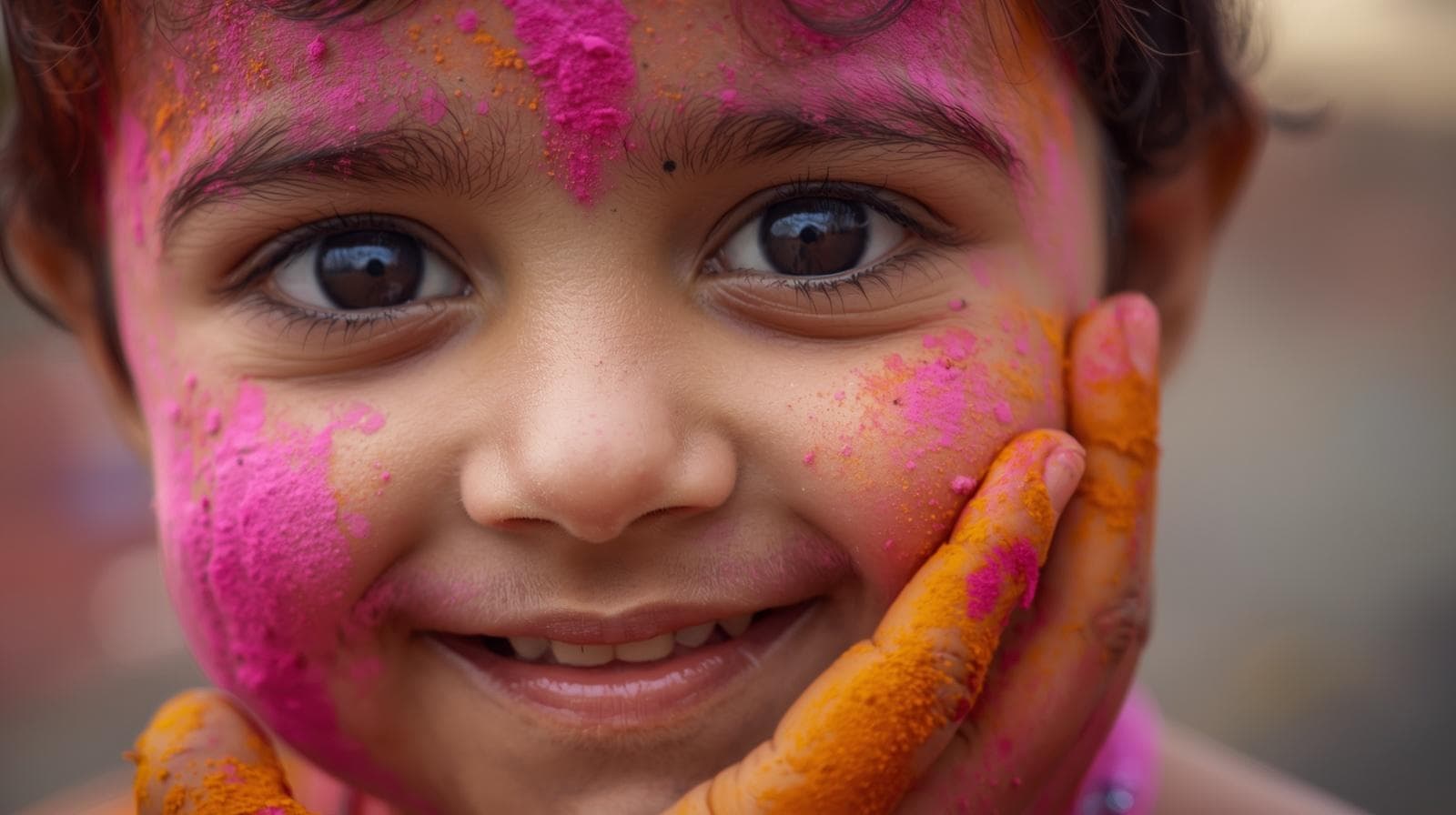
Holi brings colour, laughter and family gatherings. For parents of a baby, it also brings a different question: how can we enjoy the celebration without turning delicate skin into part of the colour play?
Holi baby skin protection starts with avoiding direct exposure—not finding a wash strong enough to remove colour afterwards. Keep powders and coloured water away from your baby’s skin, eyes, mouth and breathing space.
For ordinary cleansing, Little Q 3T baby wash offers a convenient option. The manufacturer describes it as a head-to-toe syndet cleanser intended for delicate newborn and sensitive skin, with one formula for hair and body.
This guide explains where that convenience fits, what “colour-safe” should realistically mean and how to respond if accidental exposure occurs. A gentle wash can support a sensible routine, but it cannot make Holi colours safe for babies.
Holi Baby Skin Protection Begins Before the Celebration
The most useful preparation is a clear family agreement: the baby will join the celebration without having colour applied.
That boundary can be expressed warmly:
“We would love a family photograph, but please keep all colour away from the baby.”
This avoids relying on relatives to guess what “just a little” means.
Choose a colour-free way to include your baby
Your baby can be part of the occasion through comfortable festive clothing, a family photograph or time with relatives away from powder play.
There is no need to put a symbolic dot of unfamiliar colour on the cheek or hand. Hands frequently move towards the face, making even a small application difficult to contain.
A colour-free celebration is not a lesser celebration. It simply matches the activity to the baby’s stage of life.
Keep handling clean
Ask anyone who has been playing with colour to wash their hands before holding the baby. If their clothes are heavily covered, choose another caregiver or change clothes first.
This is a practical way to reduce transfer rather than an expectation that a later bath will undo every exposure.
Separate care from colour play
Choose a quiet area for feeding, changing and resting. Keep powders, coloured water, water balloons and colour-covered accessories outside it.
Think of this as the baby’s ordinary care space—not a miniature Holi activity area.
What “Colour-Safe Gentle Wash” Really Means
The phrase “colour-safe” can be misleading in baby care.
It must not suggest that any body wash makes Holi pigments harmless, prevents allergies or removes every substance from skin without risk.
Little Q 3T brings gentle, head-to-toe cleansing to your baby’s festive routine, combining hair and body care in one convenient wash.
Cleansing is different from protection
A wash is intended to help remove surface residue. It does not provide a reliable shield against an unknown product before exposure.
Applying cleanser before going outside, or promising an extra wash afterwards, is therefore not a substitute for keeping colours away.
A stain is not the same as ongoing contamination
Parents may become anxious when a visible mark remains after gentle cleaning.
Do not keep rubbing simply to restore an even skin colour. If you are unsure what the substance contains, whether it has been adequately removed or whether the skin is irritated, seek professional advice rather than escalating home removal attempts.
General poison-exposure guidance prioritises prompt rinsing and expert advice—not aggressive cosmetic stain removal.
Keep product claims precise
The positive case for Little Q 3T is its intended gentle, head-to-toe cleansing role.
It does not need a stronger, unverified claim to be useful. Clear expectations help parents use it appropriately.
Where Little Q 3T Fits Into Holi Preparation
Little Q 3T is a baby syndet wash. “Syndet” means synthetic detergent: a cleansing system using non-soap surfactants.
Its as soap-free, pH-balanced, sulfate-free and paraben-free. The highlighted cleansing ingredients include SCI-85, Decyl Glucoside and Sodium Cocoyl Glycinate.
A familiar routine is preferable to last-minute experimentation
If the product already suits your baby, it can remain part of ordinary bathing around the festival.
If you are considering it for the first time, introduce it on a normal day rather than immediately after an exposure. Otherwise, it can become difficult to distinguish irritation from the colour, a new cleanser or repeated washing.
No cleanser is guaranteed to suit every baby.
Conditioning ingredients complement the cleansing system
The Ceramide NP, Niacinamide, D-Panthenol, Hyaluronic Acid, Oat, Calendula, Aloe Vera and Licorice. Glycerin also appears in the product. These ingredients explain the brand’s conditioning and hydration-focused positioning.
However, the presence of conditioning ingredients does not establish that the wash treats chemical irritation or repairs damage caused by Holi colours.
Keep baby skin barrier expectations realistic
A rinse-off wash should not be presented as an emergency treatment or a replacement for leave-on care.
If your baby has eczema, broken skin, known allergies or previous product reactions, ask their clinician about the most appropriate cleansing routine before the celebration.
Sensitive baby skin care should follow individual needs rather than a festival-specific marketing promise.
One Cleanser for Hair and Body
Holi preparation can generate unnecessary shopping: a special shampoo, a separate body wash and an additional “colour-removing” product.
For routine baby cleansing, that collection is not automatically needed.
Little Q 3T is specifically designed as a head-to-toe baby wash. When it suits your baby, it can cover ordinary hair and body washing without separate everyday shampoo and body wash.
One product, two routine uses
A baby hair and body wash simplifies the cleansing part of the routine.
Parents can follow one product’s directions for the areas it is intended to wash, rather than improvising with adult products or trying several cleansers in succession.
Less confusion for caregivers
Tell other caregivers which wash is used and where it is kept.
One familiar product can make preparation easier, especially when several family members are helping. It does not mean that exposure to colour should be managed without advice when symptoms or unknown substances are involved.
No need for an aggressive “Holi remover”
Do not substitute an adult clarifying shampoo, exfoliating scrub or stain-removal product because colour looks stubborn.
A gentle baby cleanser is for appropriate routine washing. An exposure that requires more than gentle care needs assessment—not a stronger bathroom product.
Prepare a Clean Changing-and-Bathing Space
Before leaving home or welcoming guests, arrange a small care station.
Keep together:
Clean clothes and a spare outfit.
Fresh nappies.
A dry cotton towel.
A soft cloth.
Your baby’s familiar cleanser.
Any usual moisturiser or prescribed care.
Your pediatrician’s contact details.
Keep the original cleanser bottle rather than transferring it into an unlabelled container. The label and ingredient information may be useful if a reaction occurs.
Prioritise access to clean water
If accidental exposure happens, prompt rinsing may matter more than having a particular branded product nearby.
Poison Control advises immediate rinsing for substances in the eyes or on the skin and warns against delaying first aid.
Keep the routine flexible
If the gathering becomes crowded or color drifts towards the baby’s space, move away rather than trying to maintain the planned photograph or visit.
The safest plan is one you can change.
Give one adult clear responsibility
Agree who is watching the baby while others participate in the celebration.
A named caregiver is more useful than assuming everyone is keeping an eye on the child. During bathing, maintain continuous adult supervision and keep the baby securely supported.
What to Do After Accidental Colour Exposure
The response depends on where the colour went and whether the baby has symptoms. Do not treat an eye exposure or breathing problem as an ordinary bath-time task.
If colour is on the skin
Move away from the source and remove affected clothing.
If the substance may be irritating or harmful, begin rinsing with comfortably tempered running water and seek advice from your pediatrician or a local poison-information service. General poison guidance recommends rinsing exposed skin for at least 15 minutes; mild soap may help remove material that sticks. Keep the baby warm and securely supported during rinsing.
Do not delay rinsing while looking for Little Q 3T or another cleanser.
If color enters the eyes
Start gentle rinsing immediately with clean, room-temperature water. Do not rub the eye or put cleanser, oil or home remedies into it.
Poison Control recommends irrigation for at least 15–20 minutes. For young children, it describes gently letting water run from the bridge of the nose towards the eyes rather than pouring forcefully into them. Contact medical or poison-information services for further guidance.
Severe symptoms need urgent care; do not wait to see whether a bath solves the problem.
If powder is inhaled
Move the baby away from the powder into clean air.
Seek urgent help for breathing difficulty or persistent concerning symptoms. General poison first-aid guidance recommends fresh air after inhalation and emergency assistance when breathing is impaired.
If color is swallowed
Contact a local poison-information service or medical professional promptly, keeping the color packaging or a photograph available if possible.
Do not induce vomiting or improvise a treatment. If the baby is unusually drowsy, has difficulty breathing or becomes unresponsive, call the local emergency service immediately.
A Gentle Post-Holi Baby Bath
When there has been no concerning exposure and a normal bath is appropriate, keep the routine familiar.
A post-Holi baby bath does not need to be longer, hotter or more elaborate than usual.
Step 1: Leave the colour behind
Remove affected outer clothes before entering the clean care area.
The caregiver should also clean their hands and change heavily colour-covered clothing before handling the baby for bathing.
Step 2: Use ordinary, comfortably warm water
Avoid very hot water and prolonged soaking.
Prepare the towel, clean clothes and cleanser before starting so the baby is never left unattended.
Step 3: Follow the current product directions
If Little Q 3T already suits your baby, use it as directed for routine hair and body cleansing.
The manufacturer describes its foam as soft and controlled. Do not keep adding more simply because the bath is not full of bubbles.
Step 4: Rinse and pat dry
Remove cleanser carefully from the scalp, body and folds.
Pat with a soft towel rather than rubbing. Do not work repeatedly at a remaining stain.
Step 5: Observe the skin
Dress the baby in clean, comfortable clothes.
If redness, swelling, pain, blistering or persistent irritation develops, seek medical advice. Poison Control recommends medical assessment for significant or worsening skin symptoms after exposure.
Color-Removal Shortcuts to Avoid
The most damaging part of an accidental exposure can be the attempt to remove every visible trace.
Do not use solvents or household cleaners
Petrol, kerosene, alcohol-based cleaning products and household stain removers do not belong in infant skincare.
Use appropriate first aid and seek professional advice rather than replacing one unknown exposure with another.
Do not scrub or exfoliate
Avoid rough towels, brushes and exfoliating mixtures.
A baby’s skin should not be treated like stained fabric. If gentle cleaning is not enough, stop and ask what to do next.
Do not assume “natural” means safe for babies
A botanical name or “herbal” label does not establish that a colour is appropriate for infant skin, eyes or breathing.
The clearest Holi colour safety for babies rule is to avoid direct application rather than searching for a supposedly risk-free powder.
Do not repeatedly wash to chase a stain
Little Q 3T’s role is cleansing, not guaranteed pigment removal.
Repeated applications do not prove that the baby is becoming safer. Symptoms, the substance involved and appropriate medical advice should guide the next step.
Frequently Asked Questions
1. Can I apply a little Holi colour if I wash it off later?
A later wash does not make direct exposure safe. A colour-free celebration is the more cautious choice for a baby, particularly around the face and hands.
2. Is Little Q 3T tested to remove Holi colours?
The reviewed official information does not provide Holi-specific color-removal testing. It describes routine head-to-toe cleansing features.
3. Do I need separate shampoo and body wash?
Not necessarily. Little Q 3T is marketed for both hair and body, so it can cover routine cleansing when suitable for your baby.
4. What if a mark remains after gentle washing?
Do not scrub or apply solvents. Ask a medical professional or poison-information service about the substance, particularly if there is irritation or uncertainty about exposure.
5. Can Little Q 3T be used to rinse colour from the eyes?
No. Use clean water for immediate eye irrigation and obtain expert guidance. Do not put cleanser into the eye.
6. Does tear-free mean the wash protects against color irritation?
No. The manufacturer’s tear-free claim concerns the wash, not Holi pigments or other substances. It does not establish eye protection.
7. When should I seek urgent medical help?
Seek urgent help for breathing difficulty, unusual drowsiness, severe eye symptoms, significant swelling or other serious reactions. Begin appropriate rinsing promptly when skin or eyes are exposed.poison+1
Conclusion: Celebrate Without Making Colour Part of Baby Care
Holi baby skin protection begins with prevention: keep powders and coloured water away, arrange a clean care space and respond promptly if accidental exposure occurs.
Little Q 3T offers manufacturer-described syndet cleansing with the convenience of one formula for everyday hair and body washing. For a baby who tolerates it, separate routine shampoo and body wash may be unnecessary.
Its useful role is cleansing—not neutralizing colors, treating chemical exposure or making colour play safe.
Plan a Gentle, Colour-Free Celebration
Review Little Q 3T’s current label, keep familiar care supplies ready and tell family members that your baby’s celebration will be colour-free. If exposure occurs, prioritise clean-water rinsing and appropriate medical advice over cosmetic stain removal.
Disclaimer
The information in this blog is here to help and inform, but it is not a replacement for advice from a doctor or nutritionist. We try to share correct and useful information, but we always suggest talking to your child’s pediatrician or nutritionist for specific advice about their health and nutrition. These professionals know what’s best for your child’s unique needs.