
Contact Dermatitis Prevention: Little Q 3T Fragrance-Safe Bath
Learn practical contact dermatitis prevention tips and how Little Q 3T supports gentle, fragrance-conscious cleansing for delicate baby skin.Little Q
Contact Dermatitis Prevention: Little Q 3T Fragrance-Safe Bath
Parents often worry when a baby develops redness, dryness or bumps after bath time. One possible cause is contact dermatitis, a skin reaction that occurs when the baby’s skin comes into contact with an irritating or allergenic substance.
Good contact dermatitis prevention begins with identifying possible triggers and simplifying the baby’s skincare routine. Water temperature, bath duration, friction, fragrance, detergents, wipes and moisturisers can all influence skin comfort.
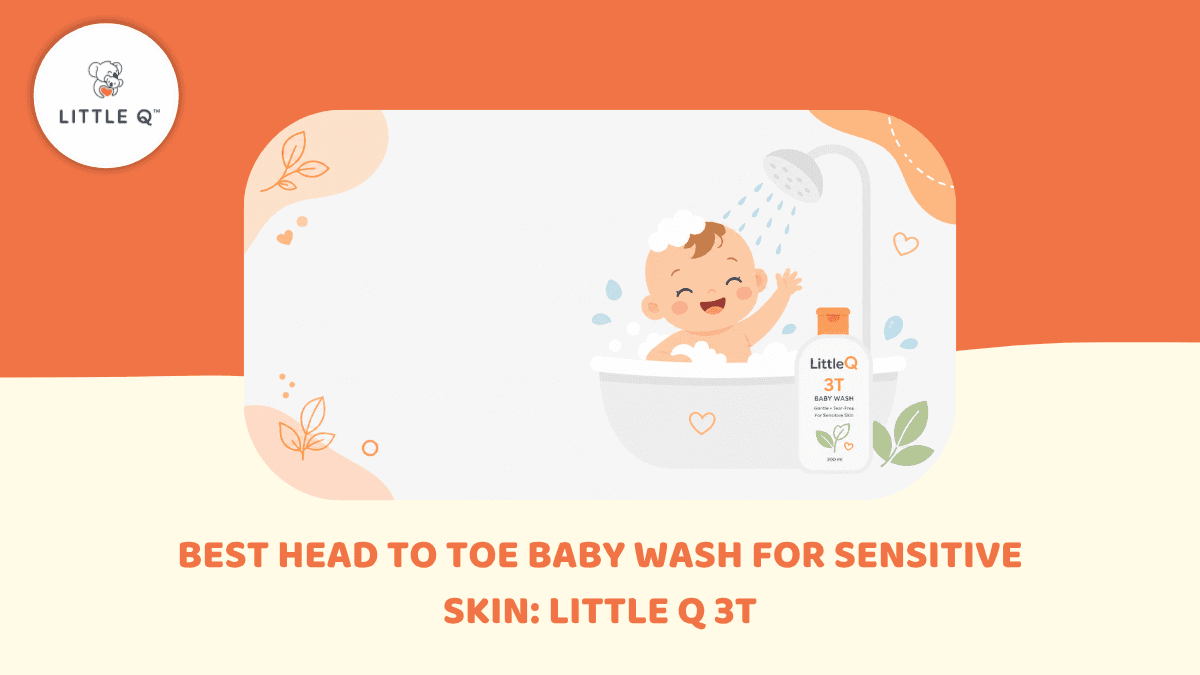
Little Q 3T is a head-to-toe syndet cleanser designed for delicate newborn and sensitive skin. Its listed cleansing agents include SCI-85, Decyl Glucoside and Sodium Cocoyl Glycinate. The formula also contains Ceramide NP, Niacinamide, D-Panthenol, Hyaluronic Acid, Oat, Calendula, Aloe Vera and Licorice.
This article explains what contact dermatitis is, how bath products may contribute to irritation and how Little Q 3T can fit into a cautious, fragrance-conscious routine.
Important note: A cleanser cannot diagnose or treat contact dermatitis. Consult a paediatrician or dermatologist if your baby has a persistent, painful, spreading, blistering or infected-looking rash.
What Is Contact Dermatitis?
Contact dermatitis is inflammation that develops after the skin comes into contact with a particular substance.
It can appear as:
Redness.
Dryness.
Rough patches.
Swelling.
Itching.
Burning.
Small bumps.
Blisters.
Cracking.
Oozing in more severe cases.
In babies, the rash may occur on the cheeks, neck, scalp, hands, diaper area or anywhere touched by a product or fabric.
Contact dermatitis is not always caused by a bath product. It may come from laundry detergent, fabric softener, wipes, clothing dyes, creams, oils, metals, latex or saliva.
Irritant Contact Dermatitis
Irritant dermatitis occurs when something directly stresses or damages the skin. It can develop after exposure to:
Hot water.
Strong cleansing agents.
Frequent bathing.
Saliva.
Urine.
Stool.
Sweat.
Friction.
Wet clothing.
Detergent residue.
The reaction may appear soon after exposure and may improve once the trigger is removed.
Allergic Contact Dermatitis
Allergic contact dermatitis occurs when the immune system reacts to a specific ingredient or material.
Possible triggers include:
Fragrance.
Preservatives.
Botanical extracts.
Essential oils.
Dyes.
Latex.
Metals.
Certain topical medicines.
The reaction may be delayed. A baby may tolerate a product initially and develop a rash after repeated exposure.
Why Baby Skin Is Vulnerable
Newborn and infant skin is thinner and more sensitive than adult skin. Its protective barrier is still developing and may be more vulnerable to moisture loss and irritants.
The baby skin barrier helps keep water inside and protect against external substances. When the barrier becomes dry or disrupted, irritants may cause discomfort more easily.
Common stressors include:
Hot or cold weather.
Dry indoor air.
Excessive bathing.
Strong soap.
Rough towels.
Wool clothing.
Saliva around the mouth.
Sweat in skin folds.
Diaper moisture.
Fragranced products.
Protecting the barrier is an important part of newborn skin care.
Common Bath-Related Triggers
Fragrance
Fragrance is one of the most common concerns for parents of babies with reactive skin. It may appear on a label as fragrance, parfum or individual fragrance compounds.
Fragrance is not needed to cleanse the skin. Parents may prefer a fragrance-free baby wash, especially if the baby has eczema, repeated rashes or a known fragrance sensitivity.
A product labelled “unscented” may not always mean fragrance-free. Some unscented products use masking fragrance to cover the smell of other ingredients.
Essential Oils
Essential oils such as lavender, citrus, tea tree and peppermint can irritate delicate skin. They may be natural, but natural does not mean risk-free.
Do not add essential oils directly to bath water unless a qualified healthcare professional specifically recommends them.
Dyes
Artificial colours do not provide cleansing benefits. Parents with babies who have easily irritated skin may prefer products without unnecessary dyes.
Strong Cleansers
Some cleansing systems may remove too much surface oil and leave the skin tight or dry. Traditional alkaline soap may be particularly drying for some babies.
Preservatives
Preservatives are needed to prevent microbial growth in water-based products. However, some babies may be sensitive to specific preservatives.
Parents should not assume that preservative-free products are automatically safer. Poorly preserved water-based products can become contaminated.
Bubble Bath
Bubble baths may contain fragrance and surfactants that irritate infant skin. They are generally unnecessary for newborn bathing.
Why a Syndet Cleanser May Help
Little Q 3T is a baby syndet wash. “Syndet” means synthetic detergent and describes the cleansing base.
Syndet cleansers use surfactants to lift oil and dirt from the skin. They can be formulated as soap-free products with a neutral or mildly acidic pH.
The Indian Academy of Pediatrics recommends a mild, fragrance-free cleanser with a neutral or acidic pH that does not disturb the skin’s acid mantle or remove excessive surface lipids.
A syndet product is not automatically non-irritating. Parents should assess the complete formula, including fragrance, preservatives, botanicals and the baby’s individual response.
How Little Q 3T Supports Gentle Cleansing
Little Q 3T is marketed as a cleanser for delicate newborn and sensitive skin.
Mild Surfactants
The formula lists SCI-85, Decyl Glucoside and Sodium Cocoyl Glycinate among its cleansing agents.
These ingredients help remove sweat, dirt and excess oil from the skin and hair. They are used as part of a syndet system rather than a traditional alkaline soap base.
A mild cleanser can help reduce the need for vigorous scrubbing, which is important because friction can worsen irritation.
pH-Balanced Positioning
Little Q 3T is described as a pH-balanced baby wash.
A pH-conscious cleanser may be more compatible with the skin’s natural surface environment than strongly alkaline soap.
pH balance does not prevent every allergic reaction. It is one factor within the broader formula.
Ceramide NP
Ceramide NP is a skin-conditioning lipid associated with the outer skin barrier.
Little Q 3T includes Ceramide NP as part of its conditioning blend. This supports the product’s barrier-conscious positioning.
Because the cleanser is rinsed off, Ceramide NP should not be considered a replacement for a leave-on moisturiser or medical treatment.
D-Panthenol
D-Panthenol, also known as provitamin B5, is commonly used for conditioning and moisturising support.
It may contribute to a softer after-bath skin feel. It does not treat dermatitis or prevent every reaction.
Hyaluronic Acid and Glycerin
These are humectants that attract and hold water. They support the formula’s hydration-focused profile.
Their effect is more limited in a rinse-off cleanser than in a leave-on cream.
Oat, Calendula, Aloe Vera and Licorice
These botanical ingredients are included in the formula’s skin-comfort blend.
They may be well tolerated by many babies, but botanical ingredients can still cause sensitivity. Parents should be careful if their baby has a history of plant allergies.
Tear-Free Positioning
Little Q 3T is described as a tear-free baby wash. This means the formula is designed to reduce stinging if accidental contact occurs near the eyes.
Parents should still avoid deliberately putting cleanser into the eyes.
Choosing Bath Products for Sensitive Skin
Look for Fragrance-Free Information
A baby wash for sensitive skin should ideally provide clear fragrance information. If your baby has repeated reactions, choose a fragrance-free product after discussing options with your healthcare professional.
Choose Mild Cleansing
A soap-free baby wash or syndet cleanser may be less drying than traditional alkaline soap.
Check the pH
A neutral or mildly acidic cleanser may be more compatible with the baby’s skin environment.
Review the Complete Formula
Check for:
Cleansing agents.
Fragrance.
Preservatives.
Essential oils.
Botanical extracts.
Dyes.
Ceramides.
Humectants.
Age guidance.
Avoid Adult Products
Adult body washes, exfoliants, anti-dandruff products and heavily fragranced cleansers may contain ingredients unsuitable for babies.
Use Fewer Products
Using several new products at once makes it difficult to identify a trigger. Keep the routine simple and introduce changes gradually.
Building a Fragrance-Conscious Bath Routine
Prepare Before Bathing
Keep the towel, cleanser, clean diaper, clothing and moisturiser within reach. Never leave the baby unattended near water.
Use Lukewarm Water
Hot water can remove natural oils and worsen dryness. Check the temperature before placing the baby in the bath.
Keep the Bath Brief
A short bath may help limit dryness. Babies do not generally need long or daily full-body baths.
Clean Gently
Use clean hands or a soft washcloth. Avoid vigorous scrubbing, especially on red or inflamed skin.
Rinse Completely
Rinse cleanser from the neck, underarms, groin, behind the ears and other skin folds.
Pat Dry
Use a soft towel and pat rather than rub.
Moisturise if Needed
Apply a fragrance-free moisturiser while the skin is still slightly damp if dryness is present. Thick creams and ointments may be more effective than light lotions for dry skin.
Preventing Contact Dermatitis Beyond the Bath
Bath products are only one possible source of irritation.
Laundry Products
Use fragrance-free detergent when possible. Avoid fabric softener and strongly scented laundry products if the baby has reactive skin.
Clothing
Choose soft, breathable fabrics. Wash new clothes before use and remove irritating tags or rough seams.
Wipes
Some wipes contain fragrance, preservatives or cleansing agents that may irritate the skin. Use warm water and cotton when appropriate.
Diapers
Change wet or dirty diapers promptly. Apply a barrier product if recommended.
Saliva
Drooling can irritate the chin and neck. Gently clean and pat the area dry. Avoid repeated rubbing.
Metals and Accessories
Jewellery, buttons, snaps and fasteners may cause reactions in some children. Watch for rashes that appear only where a material touches the skin.
What to Do If a Reaction Appears
If you suspect contact dermatitis:
Stop using the newest product.
Rinse the skin gently with clean water.
Avoid applying several additional products.
Note the product name and ingredient list.
Photograph the rash if appropriate.
Contact a paediatrician if it persists.
Follow prescribed treatment exactly.
Do not apply steroid creams, antifungal products, antibiotics or essential oils without professional guidance.
When to Seek Urgent Help
Seek urgent medical care if the baby develops:
Breathing difficulty.
Facial, lip or tongue swelling.
Widespread hives.
Blistering over large areas.
Severe lethargy.
Fever with a concerning rash.
Rapidly spreading skin changes.
Frequently Asked Questions
What causes contact dermatitis in babies?
Possible causes include fragrance, preservatives, dyes, essential oils, detergents, wipes, saliva, sweat, urine, stool, friction and rough fabrics.
Is Little Q 3T fragrance-safe?
Parents should check the current packaging and ingredient list for the latest fragrance information. If your baby has a known fragrance sensitivity, ask a healthcare professional before choosing any new cleanser.
Is Little Q 3T suitable for sensitive skin?
It is marketed for delicate newborn and sensitive skin and uses a syndet cleansing system. Individual reactions are still possible.
Is a soap-free wash better for contact dermatitis?
A mild soap-free baby wash may reduce exposure to traditional alkaline soap, which can be drying. It cannot prevent reactions to every ingredient.
Does hypoallergenic mean allergy-proof?
No. Hypoallergenic means lower likelihood of causing a reaction, not zero risk.
Can I test Little Q 3T on a small area?
Ask your healthcare professional about testing, especially if your baby has eczema or a previous severe reaction. Do not test products on broken or actively inflamed skin without advice.
How long does contact dermatitis take to improve?
It depends on the cause and severity. Mild irritation may improve after removing the trigger, while allergic contact dermatitis may require professional treatment.
Can contact dermatitis spread?
Irritant or allergic dermatitis may appear beyond the original exposure area, particularly if the trigger is transferred by hands, clothing or products. A healthcare professional can help identify the cause.
Final Thoughts: Choose Gentle, Fragrance-Conscious Care
Effective contact dermatitis prevention begins with reducing unnecessary exposure to potential triggers. Choose mild baby-specific products, consider fragrance-free options, avoid harsh soap, use lukewarm water, keep baths brief and protect the baby skin barrier with gentle drying and suitable moisturising.
Little Q 3T offers syndet cleansing with SCI-85, Decyl Glucoside and Sodium Cocoyl Glycinate, along with Ceramide NP, D-Panthenol, Hyaluronic Acid and botanical conditioning ingredients. It may be a practical choice for families looking for a gentle cleanser, but it cannot guarantee that every baby will avoid a skin reaction.
When in doubt, simplify the routine and seek professional advice.
Choose Little Q 3T fragrance-safe wash for mild, soap-free cleansing designed for delicate baby skin. Thoughtful product choices can help make everyday bath time calmer, simpler and more comfortable.
Disclaimer: The information in this blog is here to help and inform, but it is not a replacement for advice from a doctor or nutritionist. We try to share correct and useful information, but we always suggest talking to your child’s pediatrician or nutritionist for specific advice about their health and nutrition. These professionals know what’s best for your child’s unique needs.