
CAPB Baby Wash Safety: LittleQ 3T Perfect Foam Balance
Learn about CAPB baby wash safety, how Cocamidopropyl Betaine supports gentle foam and cleansing, and why LittleQ 3T’s full formula matters.Little Q
CAPB Baby Wash Safety: LittleQ 3T Perfect Foam Balance
Parents often examine the surfactants in a baby cleanser to understand whether it will be gentle enough for delicate skin. One ingredient that receives frequent attention is Cocamidopropyl Betaine, commonly abbreviated as CAPB.
Understanding CAPB baby wash safety requires a balanced view. CAPB is widely used as a mild, amphoteric surfactant in shampoos, body washes and cleansers. It can help improve foam, cleansing and texture while reducing the need for harsher surfactants.
However, some individuals can develop irritant or allergic contact dermatitis from CAPB-containing products or from manufacturing impurities associated with the ingredient. This means parents should evaluate the complete formula and their baby’s individual response rather than treating CAPB as automatically safe or automatically harmful.
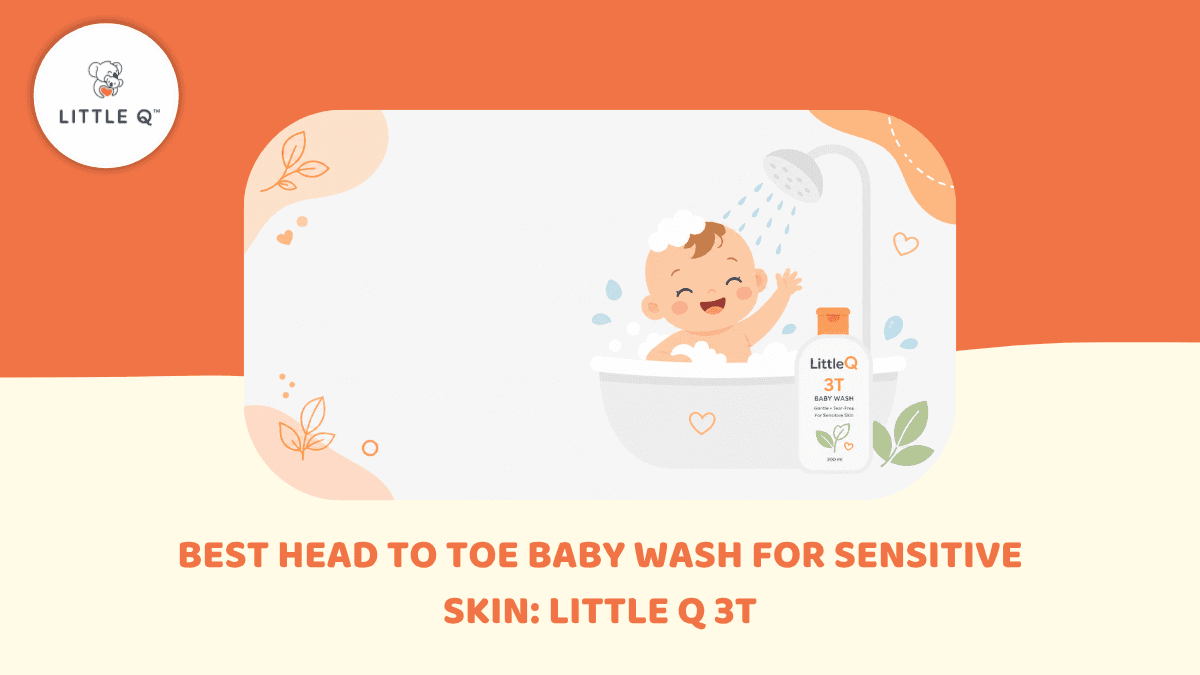
LittleQ 3T is a head-to-toe syndet cleanser designed for delicate newborn and sensitive skin. Its currently listed cleansing ingredients include SCI-85, Decyl Glucoside and Sodium Cocoyl Glycinate. Parents should check the latest packaging to confirm whether CAPB is included in the current formula.littleq
This guide explains what CAPB is, how it supports foam balance, what the research says about safety and how to choose a gentle baby cleanser responsibly.
Important note: This article is for general education. Stop using any cleanser that appears to irritate your baby and consult a paediatrician or dermatologist for persistent or severe reactions.
Table of Contents
What is Cocamidopropyl Betaine?
Why is CAPB used in baby cleansers?
What does foam balance mean?
What does the evidence say about CAPB safety?
CAPB and contact dermatitis
How LittleQ 3T’s cleansing system works
How to choose a baby cleanser
Introducing a product carefully
Frequently asked questions
Conclusion and CTA
What Is Cocamidopropyl Betaine?
Cocamidopropyl Betaine is an amphoteric surfactant used in personal-care products. It is commonly found in shampoos, liquid soaps, body washes, facial cleansers and baby-care products.
The term “amphoteric” describes how the ingredient behaves depending on the surrounding formula’s pH. This gives formulators flexibility when combining it with other surfactants.
CAPB can contribute to:
Foam formation.
Cleansing.
Product texture.
Easier spreading.
Compatibility with other surfactants.
Reduced harshness in some cleansing systems.
It is often described as coconut-derived because its fatty-acid component is associated with coconut oil. However, “coconut-derived” does not mean that the finished ingredient is simply coconut oil or that it is allergy-proof.
The Cosmetic Ingredient Review Expert Panel concluded that CAPB is safe for use in rinse-off cosmetics when formulated to be nonsensitising and used according to established cosmetic practices.
Why Is CAPB Used in Baby Cleansers?
A baby cleanser needs to balance several properties. It should remove sweat, dirt and excess oil while remaining comfortable on delicate skin.
Foam Support
Many parents associate foam with cleanliness. Foam is not necessary for effective cleansing, but it can make the product feel easier and more pleasant to use.
CAPB can help produce a creamy, stable lather when combined with other surfactants.
Mild Co-Cleansing
CAPB is often used alongside anionic or non-ionic surfactants. It may help create a more balanced cleansing system than using a single strong surfactant.
This does not mean that CAPB automatically makes every formula mild. The final performance depends on surfactant levels, pH, fragrance, preservatives, contact time and rinsing.
Formula Compatibility
CAPB can work with a variety of cleansing ingredients and may help improve the feel of a product on the skin and hair.
This makes it useful in head-to-toe products where the formula needs to cleanse both scalp and body.
What Does Perfect Foam Balance Mean?
“Perfect foam balance” is a formulation concept, not a medical or safety measurement.
A well-balanced baby cleanser should produce enough foam to distribute easily without creating excessive, difficult-to-rinse lather.
Too little foam may make parents use too much product. Too much foam may encourage longer rinsing or leave the baby exposed to cleanser for longer than necessary.
A good foam system should provide:
Easy spreading.
Soft lather.
Controlled foam.
Simple rinsing.
Comfortable after-bath skin.
No need for vigorous scrubbing.
Foam alone does not indicate that a cleanser is safe. A product can be low-foam and gentle, or high-foam and irritating, depending on the complete formula.
What Does the Evidence Say About CAPB Safety?
The safety evidence is nuanced.
The Cosmetic Ingredient Review assessment concluded that CAPB and related amidopropyl betaines have no significant toxicity concerns when formulated appropriately. It also concluded that CAPB is safe for rinse-off cosmetic use under the conditions evaluated.
A 2024 safety assessment describes CAPB as widely used with a low toxicity profile and generally considered safe at typical cosmetic-use levels.
These findings support the routine use of properly formulated CAPB-containing rinse-off products. However, they do not mean that no person can ever react to CAPB.
Why Some People React
Research has suggested that some reactions associated with CAPB-containing products may be caused by residual manufacturing impurities, including amidoamine or dimethylaminopropylamine, rather than the purified CAPB molecule itself.
This is one reason manufacturing quality and raw-material purification matter.
Some people may still react to CAPB itself or to another ingredient in the same product. A reaction may also be irritant rather than allergic.
CAPB and Contact Dermatitis
Contact dermatitis is inflammation caused by contact with an irritant or allergen.
A baby may develop:
Redness.
Dryness.
Itching.
Swelling.
Small bumps.
Cracking.
Blisters.
Burning or discomfort.
CAPB is considered safe for most people in rinse-off products, but allergic contact reactions have been reported in susceptible individuals. A PubMed review notes that contact sensitisation prevalence estimates vary and that reactions may involve CAPB or related impurities.
Irritant Reaction
An irritant reaction occurs when the skin is stressed directly. Possible causes include:
Strong cleansing.
Hot water.
Excessive bathing.
Friction.
High concentration.
Product residue.
Existing eczema.
Diaper moisture.
Allergic Reaction
An allergic reaction involves the immune system. It may develop after repeated exposure and may spread beyond the original contact area.
Parents should not diagnose CAPB allergy by looking at a rash. A dermatologist may recommend patch testing when appropriate.
How to Interpret CAPB Baby Wash Safety
A useful way to evaluate CAPB baby wash safety is to consider five factors.
1. Is the Product Rinse-Off?
Rinse-off products have shorter contact with the skin than leave-on creams. This generally reduces exposure time.
2. Is the Formula Mild?
CAPB should be evaluated alongside the other surfactants, pH, fragrance and preservatives.
3. Is the Raw Material Well Purified?
Manufacturing impurities may contribute to some reactions. Reliable sourcing and quality control matter.
4. Is the Product Used Correctly?
Using excessive product, bathing with hot water or failing to rinse may increase irritation.
5. Does the Baby Tolerate It?
Even a well-formulated product may not suit every individual baby. Skin response is important.
LittleQ 3T and Its Surfactant System
The current LittleQ 3T product information lists SCI-85, Decyl Glucoside and Sodium Cocoyl Glycinate as cleansing ingredients.
SCI-85
SCI-85 is a form of Sodium Cocoyl Isethionate. It is a mild surfactant used in syndet bars and liquid cleansers.
It helps lift dirt and oil while contributing to soft lather.
Decyl Glucoside
Decyl Glucoside is a non-ionic surfactant used in mild cleansing formulas. It helps remove impurities from skin and hair.
Sodium Cocoyl Glycinate
Sodium Cocoyl Glycinate is an amino-acid-based surfactant. It supports cleansing and contributes to the formula’s skin feel and rinse performance.
Why the Combination Matters
A cleanser is not defined by one ingredient alone. A multi-surfactant system can help balance:
Cleansing strength.
Foam.
Rinseability.
Skin feel.
Compatibility with conditioning ingredients.
Suitability for head-to-toe use.
Parents should check the current label if they are specifically looking for CAPB. Ingredient lists and formulations may change over time.
Supporting Ingredients in LittleQ 3T
Ceramide NP
Ceramide NP is a skin-conditioning lipid associated with the outer skin barrier.
The baby skin barrier helps retain moisture and protect against external irritants. LittleQ 3T includes Ceramide NP as part of its conditioning blend.
Because the product is rinsed off, it should not be considered a substitute for a leave-on moisturiser.
D-Panthenol
D-Panthenol, also known as provitamin B5, helps support a soft, conditioned skin feel.
Hyaluronic Acid and Glycerin
These humectants attract and hold water. Their effect is more limited in a rinse-off product than in a cream or lotion.
Niacinamide
Niacinamide is a form of vitamin B3 used in skincare for conditioning and supporting the appearance of a healthy skin barrier.
Oat, Aloe Vera, Calendula and Licorice
These botanical ingredients are included in the product’s skin-comfort blend. Natural ingredients may still cause sensitivity in some babies.
Choosing a Baby Cleanser with Good Foam Balance
Parents looking for a mild baby surfactant should consider the complete formula rather than the foam level alone.
Look for a Baby-Specific Formula
Choose a cleanser intended for babies, newborns or sensitive skin. Adult products may contain stronger fragrance or active ingredients.
Check the Surfactants
Look for mild, well-characterised cleansing ingredients. A balanced surfactant system is often more important than one “hero” ingredient.
Consider pH
A pH-balanced baby wash may be more compatible with the skin’s natural surface environment than strongly alkaline soap.
Review Fragrance
Fragrance may irritate some babies. Families with eczema-prone or reactive skin may prefer fragrance-free products.
Check for Clear Labelling
Look for:
Full ingredient list.
Manufacturer details.
Batch number.
Expiry date.
Age guidance.
Directions.
Safety warnings.
Customer-care information.
Avoid Product Overload
Introducing cleanser, lotion, oil, wipes and laundry detergent simultaneously makes it difficult to identify a trigger.
Introducing a New Product Carefully
There is no home test that guarantees a product will not cause an allergy. However, parents can introduce a product thoughtfully.
Introduce One Product at a Time
Avoid making several skincare changes at once.
Start with a Small Area
Ask your healthcare professional whether limited-area testing is appropriate, particularly if your baby has eczema or a history of severe allergy.
Do not apply a new product to broken, infected or actively inflamed skin without professional advice.
Monitor for Delayed Reactions
Watch the skin for several days after introduction. Contact dermatitis may not appear immediately.
Keep the Product Information
Save the packaging or photograph the ingredient list. This information can help a dermatologist assess a future reaction.
When to Stop Using a CAPB Product
Stop using a cleanser if the baby develops:
New redness.
Itching.
Swelling.
Hives.
Blisters.
Burning.
Worsening dryness.
A spreading rash.
Persistent discomfort.
Rinse the skin with clean water and contact a healthcare professional if the reaction continues.
Seek urgent care for breathing difficulty, facial swelling, widespread hives or unusual sleepiness.
Frequently Asked Questions
What is CAPB in baby wash?
CAPB stands for Cocamidopropyl Betaine. It is an amphoteric surfactant used to support cleansing and foam in shampoos, body washes and liquid cleansers.
Is Cocamidopropyl Betaine safe for babies?
Safety assessments support CAPB use in appropriately formulated rinse-off cosmetics. However, rare irritant or allergic reactions can occur in susceptible individuals.
Does LittleQ 3T contain CAPB?
The current product information reviewed lists SCI-85, Decyl Glucoside and Sodium Cocoyl Glycinate as cleansing agents. Check the latest product label to confirm whether CAPB is included in the formula you purchase.
Why is CAPB used in cleansers?
It can support cleansing, foam, spreading and formula balance. It is often combined with other surfactants.
Can CAPB cause contact dermatitis?
Rare reactions have been reported. Some reactions may involve manufacturing impurities associated with CAPB rather than purified CAPB itself.
Is foam a sign that the product is safe?
No. Foam is a sensory and formulation feature, not proof of safety. Mildness depends on the entire formula and how the product is used.
What should I do if my baby reacts to a cleanser?
Stop using it, rinse the skin with clean water and consult a paediatrician or dermatologist if the reaction persists or worsens.
Is a CAPB-containing wash suitable for sensitive skin?
It may be suitable for many babies when properly formulated, but a baby with known CAPB, amidoamine or DMAPA sensitivity should avoid relevant products under professional guidance.
Final Thoughts: Choose Informed Gentle Care
CAPB baby wash safety depends on the complete formula, concentration, manufacturing quality, product type and the baby’s individual skin response.
Cocamidopropyl Betaine is widely used as a mild, amphoteric surfactant that can help create balanced cleansing and soft foam. Safety assessments support its use in appropriately formulated rinse-off cosmetics, while recognising that rare contact reactions may occur.
The current LittleQ 3T product information highlights SCI-85, Decyl Glucoside and Sodium Cocoyl Glycinate as its cleansing agents, together with Ceramide NP and other skin-conditioning ingredients. Parents should check the latest label if they are specifically evaluating CAPB.
Choose LittleQ 3T foam balance for a thoughtful syndet cleansing experience designed around delicate baby skin. Read the label, introduce products carefully and let your baby’s skin guide your routine.
Disclaimer: The information in this blog is here to help and inform, but it is not a replacement for advice from a doctor or nutritionist. We try to share correct and useful information, but we always suggest talking to your child’s pediatrician or nutritionist for specific advice about their health and nutrition. These professionals know what’s best for your child’s unique needs.