
Budget-Friendly Baby Skin Care: LittleQ 3T Value Guide
Discover budget-friendly baby skin care with LittleQ 3T, a head-to-toe wash for hair and body. Simplify bath time and compare costs without unnecessary extras.Little Q
Budget-Friendly Baby Skin Care: LittleQ 3T Premium Gentle Value
A baby’s bathroom shelf can fill up surprisingly fast. First comes body wash, then shampoo, followed by bath additives and products that seemed essential when you bought them.
Budget-friendly baby skin care starts with a different question: what does your baby actually need?
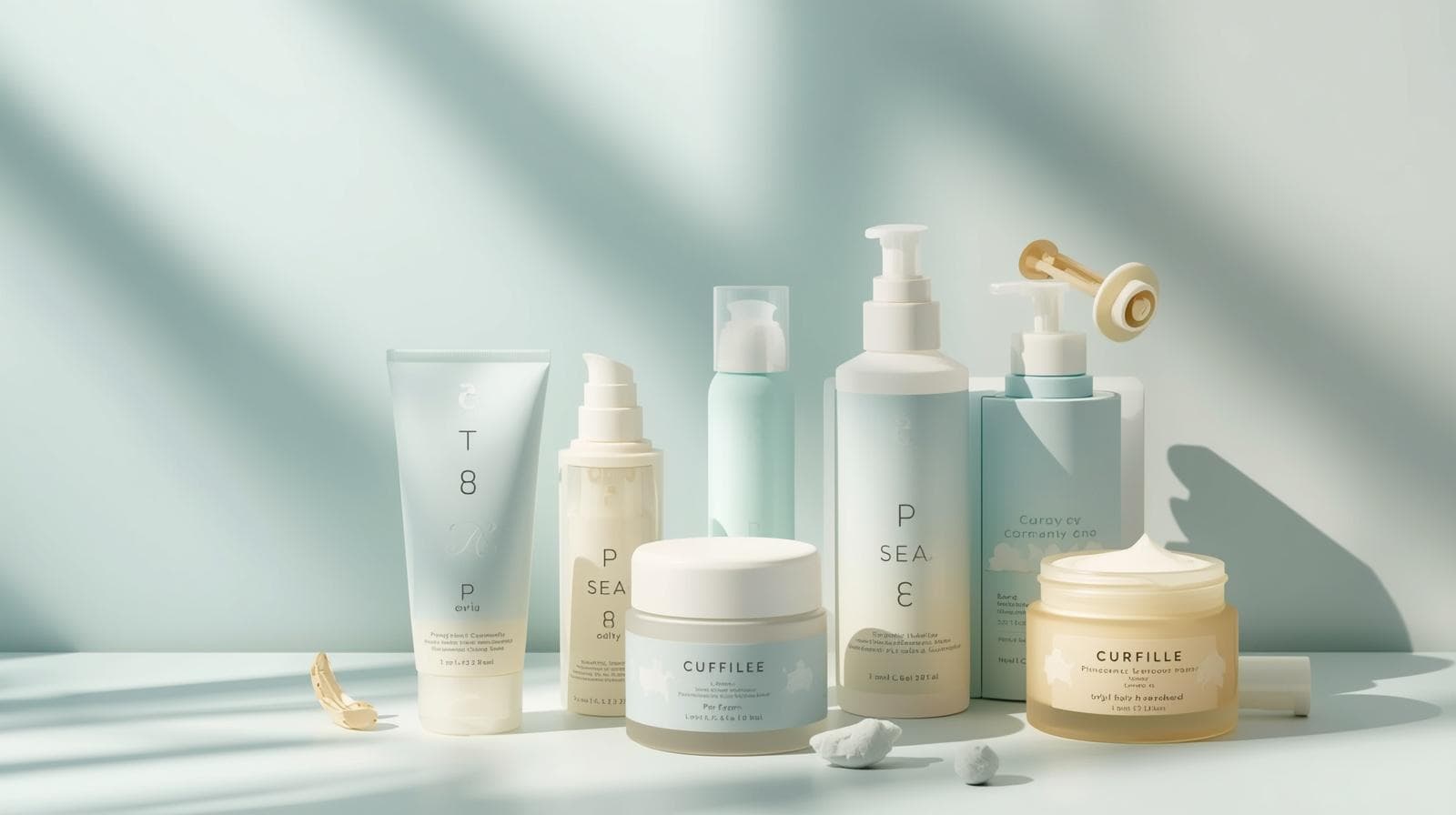
For everyday cleansing, LittleQ 3T baby wash offers a practical place to simplify. The manufacturer describes it as a head-to-toe syndet cleanser for hair and body, designed for delicate newborn and sensitive skin. When it suits your baby, there may be no need to buy a separate everyday shampoo and body wash.
That is the central value proposition: one suitable cleanser serving two routine purposes.
This guide explains how to assess that value, compare bottle sizes and build a sensible routine without confusing a lower shopping bill with cutting corners on care.
Budget-Friendly Baby Skin Care Starts with Fewer Duplicates
There is a difference between buying less and going without something necessary.
A sensible routine keeps products that serve a clear purpose and questions those that duplicate another purchase. For example, if one product is formulated for both hair and body, purchasing two separate everyday cleansers may be unnecessary.
LittleQ 3T is marketed for head-to-toe cleansing. Its official product information specifically positions it as suitable for both hair and body.
This can make a shopping list shorter without requiring parents to substitute an adult product or improvise a homemade cleanser.
Think in jobs, not bottles
Instead of asking, “Which products belong in a baby bath kit?” ask:
What will clean the hair and scalp?
What will clean the body?
Does the skin need a moisturiser?
Is there a condition requiring specific treatment?
One product may cover the first two jobs. It does not necessarily cover the others.
This approach keeps affordable baby skincare focused on function. The goal is not the smallest possible collection at any cost; it is avoiding purchases that add little to your baby’s routine.
One Bottle for Hair and Body: Where the Value Comes From
The appeal of a baby hair and body wash is straightforward: the same cleanser is intended for two cleansing areas.
With LittleQ 3T, the potential value comes from simplifying purchasing, storage and everyday use—not from a promise that it is cheaper than every alternative.
One product to buy and replenish
Separate shampoo and body wash mean tracking two bottles, two remaining quantities and potentially two replacement purchases.
A suitable head-to-toe baby wash reduces that to one everyday cleansing product. LittleQ 3T’s manufacturer identifies this combined use as a product feature.
That may be especially helpful for parents organising supplies for another caregiver. Instructions can be simpler when everyone knows which cleanser to use.
Fewer partly used products
A product bought for an occasional task can sit unused while its expiry date approaches.
Using one appropriate wash for ordinary hair and body cleansing can reduce the need to keep overlapping products. However, actual savings depend on what your household stops buying and how much cleanser you use.
There is no basis for promising that every family will cut its cleansing bill in half.
A simpler travel bag
One cleanser can also mean fewer bottles to pack.
That is a convenience benefit rather than a proven financial saving. If you already own separate products that suit your baby, replacing them immediately may cost more than finishing them responsibly.
Simplification works best when it follows actual need—not another round of unnecessary shopping.
What LittleQ 3T Offers Beyond Convenience
A combined cleanser only represents good value if it performs the required job and suits the baby.
The manufacturer describes LittleQ 3T as a baby syndet wash with a soap-free, pH-balanced cleansing system. It also identifies sulfate-free, paraben-free and tear-free product claims.
These are manufacturer descriptions, not guarantees that every baby will respond in the same way.
A non-soap cleansing approach
“Syndet” means synthetic detergent. Such products use non-soap surfactants to cleanse.
LittleQ 3T highlights SCI-85, Decyl Glucoside and Sodium Cocoyl Glycinate among its cleansing ingredients.
The practical relevance is the product’s intended cleansing approach. Parents do not need to buy several additional products simply because they do not recognise every ingredient name.
For general infant skincare, the Royal Children’s Hospital Melbourne recommends using a mild, soap-free cleanser as required. This supports the general principle of gentle cleansing; it is not a brand endorsement.
Conditioning ingredients in the formula
The official product page highlights Ceramide NP, Niacinamide, D-Panthenol, Hyaluronic Acid, Oat, Calendula, Aloe Vera and Licorice. It also identifies Glycerin in its product comparison information.
These ingredients help explain LittleQ 3T’s conditioning positioning.
However, their presence should not be used to promise a specific hydration duration, treatment of eczema or elimination of the need for moisturiser. It remains a rinse-off cleanser.
What “premium gentle value” should mean
In this context, premium should describe the product experience and formulation positioning—not imply that a high price is always better.
Value comes from a suitable product doing its intended jobs reliably. A gentle baby cleanser that works for hair and body may offer useful convenience, but individual skin tolerance remains the priority.
The most expensive bottle is not automatically the best choice. Neither is the cheapest.
Understanding LittleQ 3T’s Price and Size Choices
At the time of review, the official website listed:
LittleQ 3T, 200 ml: ₹419.
LittleQ 3T, 100 ml: ₹229.
Prices, offers, delivery charges and availability may change, so check the checkout total before buying.
The larger bottle: better listed unit value
Using those listed prices, the 200 ml bottle costs approximately ₹2.10 per ml. The 100 ml bottle costs ₹2.29 per ml.
Buying two 100 ml bottles would cost ₹458, compared with ₹419 for one 200 ml bottle—a difference of ₹39 for the same total volume. These calculations use the website prices above and exclude delivery or other offers.
That gives the larger bottle a clear unit-price advantage at the reviewed prices.
The smaller bottle: lower upfront spending
The 100 ml bottle requires less money at the initial purchase.
That can be useful for a family trying the product for the first time or deciding whether it fits their routine. Paying a little more per millilitre may be reasonable if it helps avoid a larger unused purchase.
Choose according to expected use
A larger pack is worthwhile when the product suits your baby and you expect to finish it within the labelled usable period.
A smaller pack may be more sensible when you are uncertain.
The financially stronger choice is the bottle you can use appropriately—not automatically the largest one on the shelf.
Why Cost per Bath Needs a Closer Look
Cost per millilitre is easy to compare. Cost per bath is more personal.
It depends on how much wash is dispensed, how often it is used and whether it covers both hair and body. Without a measured dose, a claim such as “only ₹3 per bath” would be guesswork.
Use a simple comparison method
To assess value-for-money baby products:
Note the actual purchase price.
Check the bottle volume.
Consider which existing products it would replace.
Follow the labelled directions rather than using extra.
Observe how long the bottle lasts in your routine.
You can then compare real household spending rather than an advertised estimate.
Compare like with like
If you are comparing one head-to-toe cleanser with separate shampoo and body wash, consider the quantities used over the same period.
Adding the prices of two large bottles and comparing that total with one small bottle can give a misleading impression of savings.
Likewise, a smaller checkout bill today does not always mean a lower long-term cost. Unit price and actual use both matter.
Build a Simple Baby Bath Routine
A shorter product list works best alongside sensible bathing habits.
Mayo Clinic notes that newborns do not need daily baths; around three baths a week may be enough until they become more mobile. Excessive bathing can dry the skin. Cleaning the diaper area and checking skin folds between baths remain important.
That guidance is about care, not rationing hygiene to save money.
Before the bath
Gather the cleanser, towel, clean nappy and clothes.
Use an appropriate bathing space and lukewarm water. Keep all supplies within reach and never leave the baby unattended. The American Academy of Dermatology recommends preparing bathing supplies in advance and starting with sponge baths until the umbilical cord stump has fallen off and healed.
During the bath
Follow LittleQ 3T’s current directions for hair and body.
Wash gently and rinse thoroughly. Do not add a second cleanser simply because the first one produces less foam than expected.
The manufacturer describes LittleQ 3T’s foam as soft and controlled. More visible bubbles should not be the goal of a baby’s bath.
After the bath
Wrap the baby in a towel and dry gently.
If skin is dry, use an appropriate moisturiser rather than expecting a wash to do every job. The Royal Children’s Hospital recommends a thick, non-fragranced moisturiser at the first sign of dryness.
A simple baby bath routine can therefore include one cleansing product and a separate moisturiser when needed. Minimal does not mean incomplete.
Spending Habits That Quietly Increase Costs
The biggest savings may come from changing buying habits rather than hunting for another discount.
Buying a complete range without checking need
Matching bottles can look reassuring, but they are not a requirement.
If LittleQ 3T already covers routine hair and body cleansing, assess whether an additional everyday shampoo or wash serves a purpose before purchasing it.
Using more product to create more foam
Extra dispensing makes a bottle run out sooner.
Follow the directions and focus on effective washing and rinsing. Do not dilute the bottle to compensate for overuse or stretch its contents.
Replacing suitable products too quickly
A new launch or influencer recommendation is not, by itself, a reason to abandon something that suits your baby.
Changing products repeatedly can also make it harder to identify which one caused a reaction if irritation develops.
Buying too much during a sale
A discount is only useful when the product will be used.
Check expiry information, your remaining supply and whether you genuinely need another bottle. Several discounted bottles left unused are not better value than one appropriately sized purchase.
Choosing only by “free-from” claims
A sulfate-free or paraben-free claim tells you something specific about the formula. It does not establish that the product is best for every baby.
For reactive skin, the full formula matters. The Royal Children’s Hospital recommends avoiding fragrance, botanicals and antibacterial agents because they can irritate infant skin. LittleQ 3T includes botanical ingredients, so individual suitability deserves attention.
When an Additional Product Is Worth Buying
The hair-and-body format removes the need for duplicate everyday cleansing products when suitable. It does not replace all skincare.
When skin needs moisturising
Dry skin may need a leave-on product even if the cleanser contains conditioning ingredients. Follow appropriate guidance rather than skipping moisturiser to keep the shelf minimal.
When a clinician recommends specific treatment
Eczema, persistent scalp concerns or another diagnosed condition may require a different product or prescribed treatment.
The Royal Children’s Hospital recommends fragrance-free, soap-free bathing products and regular plain moisturiser for eczema. A general head-to-toe wash should not replace an individual treatment plan.
When the product does not suit your baby
Stop using a suspected irritant rather than continuing just to finish the bottle.
Seek advice for persistent redness, itching, rash or discomfort. A low-cost routine is only useful when it also supports appropriate care.
Frequently Asked Questions
1. Can LittleQ 3T be used for both hair and body?
Yes. The manufacturer markets LittleQ 3T as a head-to-toe cleanser. When it suits your baby, a separate everyday shampoo and body wash may be unnecessary. Follow the current label directions.
2. Is the 200 ml bottle better value than 100 ml?
At the reviewed website prices, 200 ml costs ₹419 and 100 ml costs ₹229. The larger bottle has a lower cost per millilitre, but the smaller bottle requires less upfront spending.
3. Will it definitely save money compared with two products?
Not necessarily. Savings depend on the alternatives, bottle sizes, prices and quantities used. Its supported advantage is combined hair-and-body use—not a guaranteed percentage reduction in spending.
4. Does LittleQ 3T replace moisturiser?
No. It is a rinse-off cleanser. Babies with dry skin may still need a suitable leave-on moisturiser.
5. Does my newborn need a cleanser bath every day?
Not necessarily. Mayo Clinic notes that around three baths weekly may be sufficient for newborns, with appropriate cleaning between baths. Individual hygiene and skin needs should guide the routine.
6. Is it suitable for every baby with sensitive skin?
No product suits every baby. LittleQ 3T is marketed for delicate and sensitive skin, but babies with eczema, allergies or repeated reactions need individual advice.
7. Should I buy a larger bottle before trying it?
Choose according to your budget and confidence in the product. A smaller initial purchase may reduce the amount left unused if it does not suit your baby, even though its unit price is higher.
Conclusion: Spend on What Your Baby Actually Needs
Budget-friendly baby skin care does not require a crowded shelf or the cheapest available bottle. It requires suitable products, realistic comparisons and fewer unnecessary purchases.
LittleQ 3T offers a clear practical benefit: one manufacturer-described head-to-toe wash for everyday hair and body cleansing. That can remove the need for separate routine shampoo and body wash when the formula suits your baby.
Its value is strongest when you choose the right size, use it as directed and keep necessary moisturising or medical care separate.
Simplify Your Next Baby-Care Purchase
Explore LittleQ 3T, review the current label and compare the available bottle sizes. Choose one suitable cleanser for hair and body rather than buying duplicate products by habit—and build the rest of the routine around your baby’s actual needs.
Disclaimer
The information in this blog is here to help and inform, but it is not a replacement for advice from a doctor or nutritionist. We try to share correct and useful information, but we always suggest talking to your child’s paediatrician or nutritionist for specific advice about their health and nutrition. These professionals know what’s best for your child’s unique needs.