
Baby Skin Barrier Repair: LittleQ 3T Daily Syndet Routine
Learn how a daily baby skin barrier repair routine with LittleQ 3T syndet cleansing and gentle moisturising may support softer, healthier skin.Little Q
Baby Skin Barrier Repair: Daily LittleQ 3T Syndet Routine
A baby’s skin can become dry, rough or irritated when its protective barrier is exposed to hot water, harsh soap, friction, dry air or frequent cleansing. This is why parents often search for practical baby skin barrier repair routines that are gentle enough for everyday care.
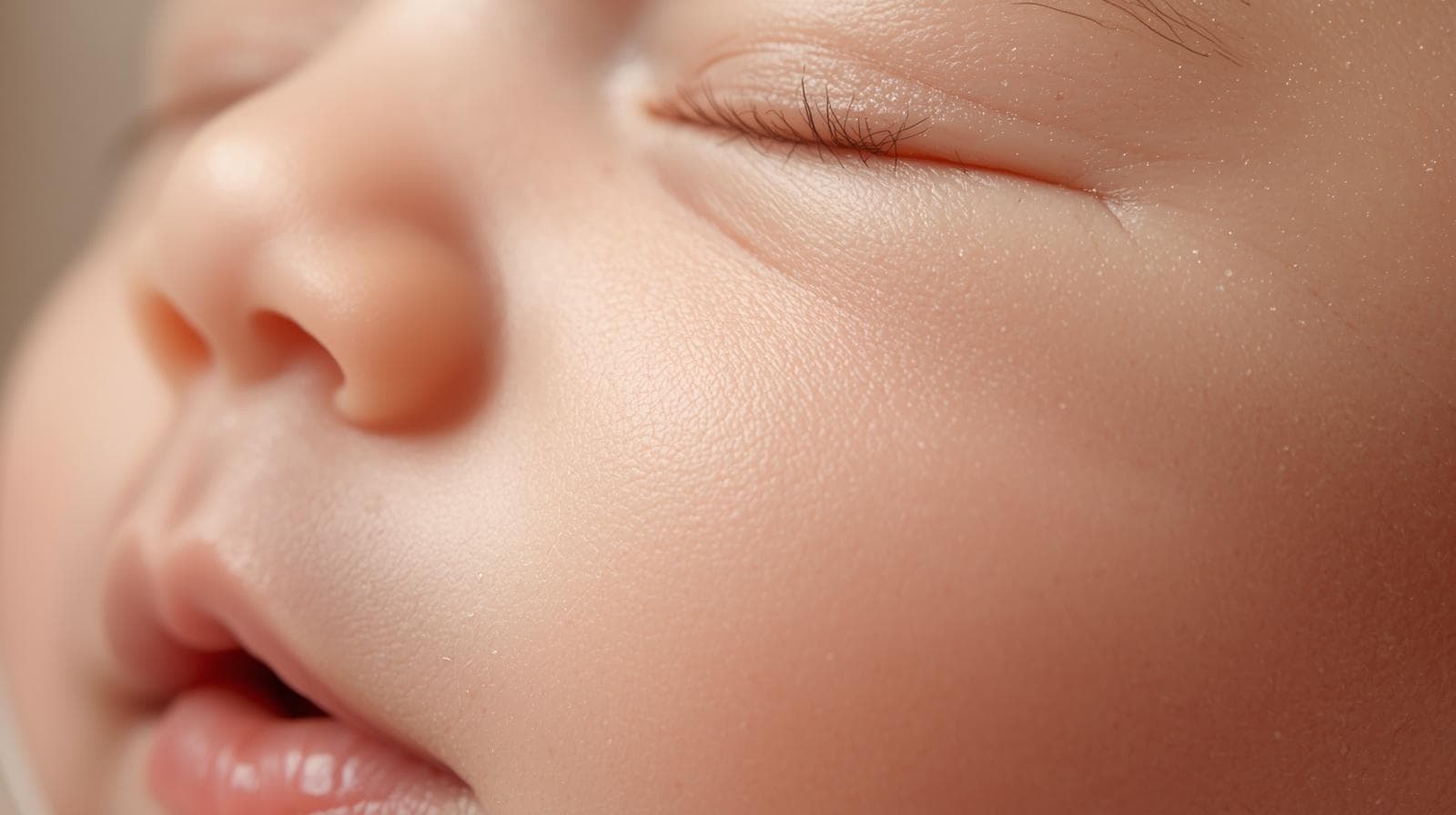
The skin barrier is the outer protective layer that helps hold moisture inside and reduce exposure to external irritants. When this barrier is weakened, the skin may feel tight, flaky or more sensitive.
LittleQ 3T is a head-to-toe syndet cleanser designed for delicate newborn and sensitive skin. Its listed cleansing agents include SCI-85, Decyl Glucoside and Sodium Cocoyl Glycinate. The formula also contains Ceramide NP, Niacinamide, D-Panthenol, Hyaluronic Acid, Oat, Calendula, Aloe Vera and Licorice.
This guide explains how the baby skin barrier works, what can weaken it and how a simple LittleQ 3T cleansing routine may support healthier-looking, more comfortable skin.
Important note: A cleanser cannot repair severe skin damage or treat eczema, infection or other medical conditions. Consult a paediatrician or dermatologist if your baby has persistent, painful or worsening symptoms.
What Is the Baby Skin Barrier?
The baby skin barrier is the outer protective system of the skin. It helps regulate water loss and protects the body from external substances.
The outermost layer of skin is called the stratum corneum. It contains skin cells surrounded by a mixture of lipids, including ceramides, cholesterol and fatty acids.
A simple way to understand this structure is to imagine a brick wall:
Skin cells are the bricks.
Ceramides and other lipids are the mortar.
The completed wall helps keep water inside and irritants outside.
The barrier is not a completely sealed shield. It is an active, flexible system that responds to temperature, humidity, friction, chemicals and microorganisms.
Infant skin is thinner and more permeable than adult skin. A 2025 review notes that neonatal and infant skin is less developed and more vulnerable to water loss and external irritants. It recommends mild, soap-free and fragrance-conscious products for protecting the infant skin barrier.
Why Moisture Matters
Water gives skin flexibility and softness. When water escapes too quickly from the outer layer, the skin may become:
Dry.
Rough.
Flaky.
Tight.
More sensitive.
Prone to small cracks.
Itchy or uncomfortable.
A good routine supports both cleansing and moisture retention. Cleansing removes unwanted residue, while moisturising helps reduce water loss.
How the Barrier Becomes Weakened
Skin-barrier problems are not caused by one factor alone. Several everyday exposures may add up.
Hot Water
Hot water can remove natural oils and increase dryness. Babies usually need comfortably warm water, not hot water.
Frequent or Long Baths
Newborns do not need full baths every day. A 2025 review recommends bathing infants approximately two or three times per week and keeping baths around 5–10 minutes to reduce excessive dryness.
Strong Soap
Traditional alkaline soap may disturb the skin’s surface environment and remove natural lipids.
Excessive Friction
Rough towels, sponges, brushes and repeated rubbing can damage an already sensitive surface.
Dry Weather
Cold winds, low humidity, air-conditioning and indoor heating can increase moisture loss.
Saliva and Sweat
Drooling and sweating can irritate the cheeks, chin, neck and skin folds.
Diaper Exposure
Urine, stool, moisture and friction can weaken the barrier around the diaper area.
Fragrance and Irritating Ingredients
Fragrance, some preservatives, essential oils and certain botanical extracts may cause irritation or allergy in some babies.
What Does Baby Skin Barrier Repair Mean?
The phrase baby skin barrier repair is commonly used to describe care that supports the skin’s natural recovery and moisture-retention function.
It does not mean that a cleanser can instantly rebuild damaged skin. Barrier support usually involves several steps:
Reduce exposure to irritants.
Use gentle cleansing.
Avoid hot water and excessive bathing.
Apply moisturiser when dryness is present.
Protect the skin from friction and moisture.
Follow medical treatment when needed.
Healthy skin has its own repair processes. Parents support these processes by avoiding unnecessary stress and providing appropriate hydration.
Cleansing and Repair Are Different
A cleanser removes dirt and residue. A moisturiser remains on the skin and helps support hydration.
LittleQ 3T can be part of gentle cleansing, but it should not be considered the main treatment for severe dryness or eczema. A paediatrician may recommend a leave-on emollient, prescription cream or other treatment depending on the condition.
How a Syndet Cleanser Supports Gentle Care
A baby syndet wash uses synthetic detergent ingredients rather than traditional alkaline soap.
The term syndet does not mean “chemical-free.” It describes the type of cleansing ingredients used. Surfactants help water interact with oil and dirt so that impurities can be rinsed away.
A well-formulated syndet may be:
Soap-free.
Neutral or mildly acidic.
Less drying than conventional alkaline soap.
Suitable for delicate skin.
Easier to rinse.
Compatible with conditioning ingredients.
The Indian Academy of Pediatrics recommends mild syndet or soapless liquid cleansers for babies because traditional soap may damage the epidermal barrier.
The complete formula remains important. A syndet product can still irritate an individual baby if it contains an ingredient that does not suit them.
LittleQ 3T Formula Explained
Mild Surfactants
LittleQ 3T lists SCI-85, Decyl Glucoside and Sodium Cocoyl Glycinate as cleansing agents.
These surfactants help remove sweat, dirt and excess oil from the scalp, hair and body.
SCI-85
SCI-85 is a form of Sodium Cocoyl Isethionate. It is a mild surfactant used in syndet cleansing products.
It helps create lather and lift impurities without relying on traditional alkaline soap.
Decyl Glucoside
Decyl Glucoside is a non-ionic surfactant commonly used in gentle cleansers. It helps remove everyday residue from the skin and hair.
Sodium Cocoyl Glycinate
Sodium Cocoyl Glycinate is an amino-acid-based surfactant. It contributes to cleansing and the product’s rinse and skin-feel properties.
Using several mild surfactants can help balance cleansing strength, foam and rinse performance.
Ceramide NP
Ceramide NP is a skin-conditioning lipid associated with the outer skin barrier.
A ceramide baby wash may appeal to parents who want a cleanser with barrier-supporting ingredients. Ceramides help support the lipid structure that slows water loss.
However, LittleQ 3T is rinse-off. Its Ceramide NP should be viewed as one supportive ingredient within the formula, not as a replacement for a leave-on ceramide cream.
D-Panthenol
D-Panthenol, also called provitamin B5, is commonly used for conditioning and moisturising support.
It may contribute to a soft after-bath skin feel. It does not treat eczema or infection.
Hyaluronic Acid and Glycerin
Hyaluronic Acid and Glycerin are humectants. They attract and hold water, helping support skin hydration.
Humectants work differently from ceramides. Humectants attract water, while ceramides support the lipid structure that helps retain it.
Niacinamide
Niacinamide is a form of vitamin B3. It is commonly included in skincare for conditioning and supporting the appearance of a healthy skin barrier.
LittleQ 3T lists Niacinamide among its ingredients. Individual sensitivity is possible, so parents should observe the baby when introducing a new product.
Oat, Calendula, Aloe Vera and Licorice
These botanical ingredients are part of LittleQ 3T’s skin-comfort blend. Oat is commonly used in products for dry skin, while Aloe Vera, Calendula and Licorice are often used in cosmetic conditioning formulas.
Natural ingredients can still cause irritation or allergy. Babies with known plant sensitivities should be assessed carefully.
A Daily Barrier-Conscious Routine
Morning: Keep Cleansing Minimal
A full bath is usually not necessary every morning. Clean the face, neck, hands and diaper area as needed.
If the baby has dry skin, avoid adding unnecessary cleansing products to areas that are not dirty.
During the Day: Protect Skin Folds
Milk, saliva and sweat can collect in the neck and underarm folds. Clean gently with warm water and pat dry.
Do not rub repeatedly. If redness develops, ask a healthcare professional whether a barrier product is appropriate.
Bath Time: Use Mild Cleansing
Use warm water and keep the bath brief. A gentle baby cleanser such as LittleQ 3T may be used according to the product instructions.
Apply a small amount to areas that need cleansing. Avoid vigorous scrubbing and direct eye contact.
After the Bath: Moisturise Promptly
Pat the skin dry while leaving it slightly damp. Apply a suitable moisturiser soon afterwards if dryness is present.
A 2023 infant skincare algorithm recommends lukewarm baths of approximately five minutes two or three times per week, gentle cleanser use when appropriate and full-body moisturising after bathing.
Evening: Check for Irritation
Before dressing the baby, look for:
Redness.
Dry patches.
Cracks.
Damp skin folds.
Diaper-area irritation.
New bumps or rash.
Early observation can help parents adjust the routine or seek advice promptly.
How to Choose Barrier-Friendly Baby Products
Look for Mild Cleansing
Choose a soap-free baby wash or syndet cleanser made specifically for infants.
Review the pH
A pH-balanced baby wash may be more compatible with the skin’s natural environment than strongly alkaline soap.
Prefer Fragrance-Free Products for Reactive Skin
Fragrance can irritate some babies. Parents of infants with eczema or repeated reactions may prefer fragrance-free products.
Consider the Full Formula
Do not choose a product based on one ingredient alone. Review:
Surfactants.
Fragrance.
Preservatives.
Botanical extracts.
Dyes.
Ceramides.
Humectants.
Conditioning ingredients.
Choose the Right Moisturiser
A baby moisturiser after bath should be appropriate for the baby’s age and level of dryness.
Thick creams and ointments often provide more effective moisture retention than light lotions. HealthyChildren.org recommends moisturising immediately after bathing and using thicker products when needed for eczema-prone skin.
Common Mistakes to Avoid
Treating a Cleanser Like a Moisturiser
A cleanser is rinsed away. It cannot provide the same lasting effect as a leave-on cream.
Using Too Much Product
More product does not mean better cleansing. Excess cleanser may take longer to rinse and may increase exposure to potential irritants.
Taking Long, Hot Baths
Hot water and long exposure can worsen dryness.
Scrubbing Dry Patches
Do not peel flakes or rub rough areas aggressively. This may create tiny breaks in the skin.
Introducing Too Many Products
Adding a new cleanser, lotion, oil, detergent and cream at the same time makes reactions difficult to identify.
Stopping Care Too Soon
If dryness improves, continue the simple routine recommended by your healthcare professional. Do not immediately return to harsh soap or hot, long baths.
When to Seek Medical Advice
Contact a paediatrician or dermatologist if:
Dryness does not improve.
The baby scratches repeatedly.
The skin is bleeding or cracked.
There is yellow crusting or oozing.
The rash spreads quickly.
The skin becomes painful.
The baby develops fever.
The baby has swelling or blisters.
The condition affects sleep or feeding.
You are unsure whether the rash is eczema.
Seek urgent care for facial swelling, breathing difficulty, widespread hives or signs of a serious allergic reaction.
Frequently Asked Questions
Can LittleQ 3T repair the baby skin barrier?
LittleQ 3T can support a gentle cleansing routine and contains Ceramide NP and conditioning ingredients. However, a rinse-off cleanser cannot repair severe barrier damage by itself or replace a leave-on moisturiser or medical treatment.
Is LittleQ 3T suitable for sensitive skin?
It is marketed for delicate newborn and sensitive skin. Individual tolerance varies, so stop using it if irritation appears.
How often should I bathe my baby?
Many infants need full baths approximately two or three times per week. Daily cleaning of the face, neck and diaper area may be sufficient between baths.
Can I use a ceramide wash for eczema?
A ceramide baby wash may support gentle cleansing, but eczema requires an individual care plan. Consult a paediatrician or dermatologist for flares.
What is better for dry skin: lotion or cream?
Creams and ointments are generally thicker and may provide more lasting moisture than light lotions. The best product depends on the baby’s skin and professional advice.
How soon should I moisturise after bathing?
Apply moisturiser promptly after gently patting the skin dry, while it is still slightly damp.
Is soap-free the same as fragrance-free?
No. Soap-free describes the cleansing base, while fragrance-free describes the absence of added fragrance. Check both features separately.
What should I do if the skin becomes red after using LittleQ 3T?
Stop using the product, rinse the skin with clean water and monitor the reaction. Seek medical advice if the redness persists, spreads or is accompanied by swelling, pain or breathing difficulty.
Final Thoughts :Support Softer, Healthier-Looking Baby Skin
Effective baby skin barrier repair is not about using the largest number of products. It is about reducing irritation, cleansing gently, maintaining moisture and recognising when professional care is needed.
LittleQ 3T combines mild syndet cleansing with Ceramide NP, D-Panthenol, Hyaluronic Acid, Glycerin, Niacinamide and botanical ingredients. It may support a simple newborn skin care routine for babies with delicate or sensitive skin.
For the best results, pair gentle cleansing with warm, brief baths, careful drying, suitable moisturising and protection from friction, heat and fragrance. If your baby has persistent eczema or severe dryness, consult a paediatrician or dermatologist.
Choose the LittleQ 3T syndet routine for mild, barrier-conscious cleansing designed for delicate baby skin. Gentle daily care can help make every bath a more comfortable moment for your baby.
Disclaimer: The information in this blog is here to help and inform, but it is not a replacement for advice from a doctor or nutritionist. We try to share correct and useful information, but we always suggest talking to your child’s pediatrician or nutritionist for specific advice about their health and nutrition. These professionals know what’s best for your child’s unique needs.