
Baby Rash Prevention: Little Q 3T Soap-Free Bath Benefits
Learn practical baby rash prevention tips and how Little Q 3T soap-free syndet cleansing may support clean, comfortable and healthy-looking baby skin.Little Q
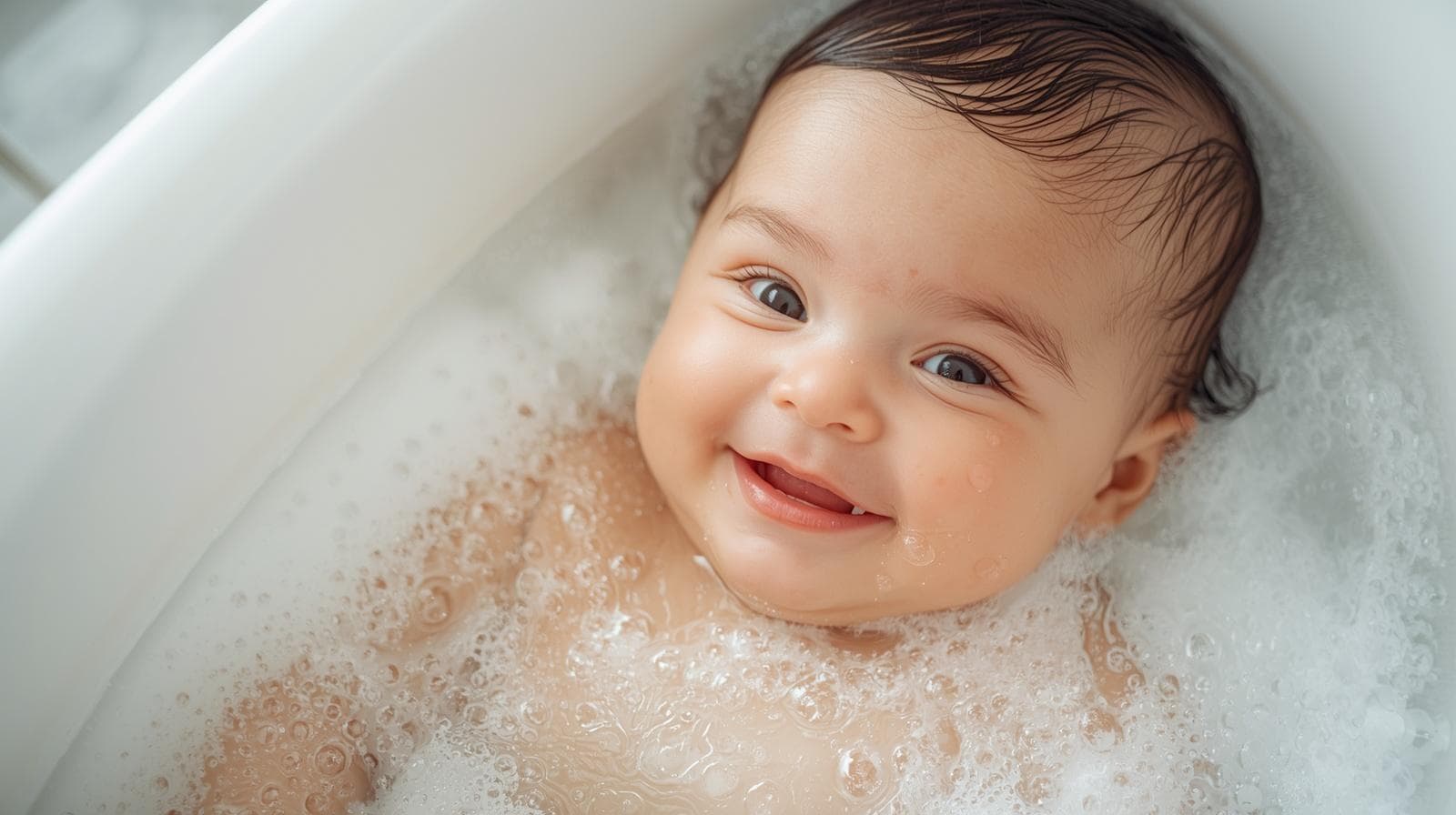
Baby Rash Prevention: Little Q 3T Soap-Free Bath Benefits
Parents often look for safe ways to support baby rash prevention, especially when their child has delicate, dry or easily irritated skin. A rash may appear after heat, sweat, saliva, friction, diaper exposure, a new product or an existing condition such as eczema.
Bathing cannot prevent every type of rash, but a gentle bath routine can reduce some common sources of irritation. Water temperature, bath duration, cleansing products, drying methods and diaper care all play a role.
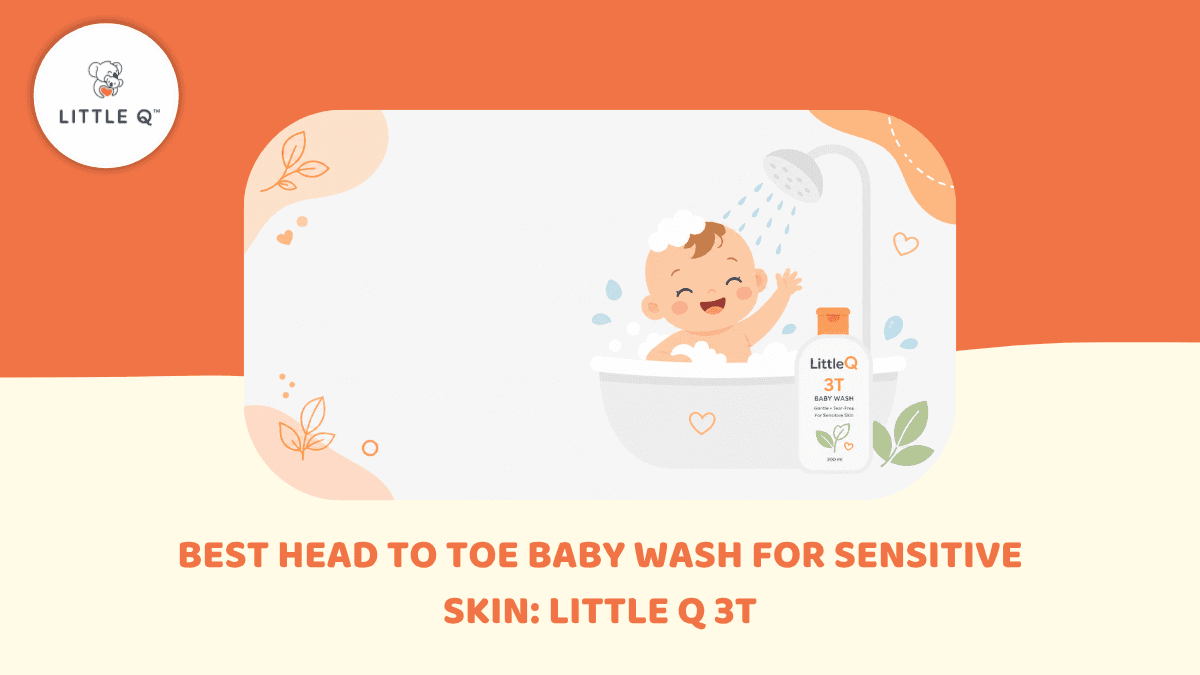
Little Q 3T is a head-to-toe syndet cleanser designed for delicate newborn and sensitive skin. Its listed cleansing agents include SCI-85, Decyl Glucoside and Sodium Cocoyl Glycinate. The formula also contains Ceramide NP, Niacinamide, D-Panthenol, Hyaluronic Acid, Oat, Calendula, Aloe Vera and Licorice.
This article explains how a soap-free bath routine may support healthier-looking skin and where Little Q 3T can fit into everyday baby care.
Important note: A cleanser cannot diagnose, prevent or treat every rash. Consult a paediatrician or dermatologist if your baby has a persistent, painful, spreading, infected-looking or worsening rash.
What Causes Baby Rashes?
A baby’s skin is thinner and more sensitive than adult skin. Its protective barrier is still developing and may be affected by several everyday exposures.
Common causes of irritation include:
Wet or dirty diapers.
Saliva around the mouth and neck.
Milk trapped in skin folds.
Sweat and heat.
Friction from clothing or diapers.
Strong soap or fragranced products.
Hot water.
Over-bathing.
Dry weather.
Detergent residue.
Existing eczema or allergy.
Fungal or bacterial infection.
Not all rashes look the same. A red patch may be caused by simple irritation, while a similar-looking rash may be eczema, yeast infection, heat rash or another medical condition.
This is why parents should avoid treating every rash by simply changing the cleanser. The right approach depends on the cause.
How a Bath Routine Supports Rash Prevention
A gentle bath can help remove sweat, food residue, saliva, excess oil and diaper-related impurities. It can also provide an opportunity to check the skin carefully.
A well-planned baby bath routine should:
Use comfortably warm water.
Avoid prolonged soaking.
Use a mild cleanser only where needed.
Prevent rough rubbing.
Rinse away product completely.
Dry all skin folds carefully.
Use moisturiser when dryness is present.
Keep the baby warm after bathing.
The aim is to clean without excessively removing the natural oils that support the baby skin barrier.
Bathing More Is Not Always Better
Many newborns do not need a full bath every day. Over-bathing, especially with hot water or strong soap, may increase dryness and irritation.
Between full baths, parents can clean the face, neck, hands and diaper area with warm water and a soft cloth.
Why Soap-Free Cleansing May Help
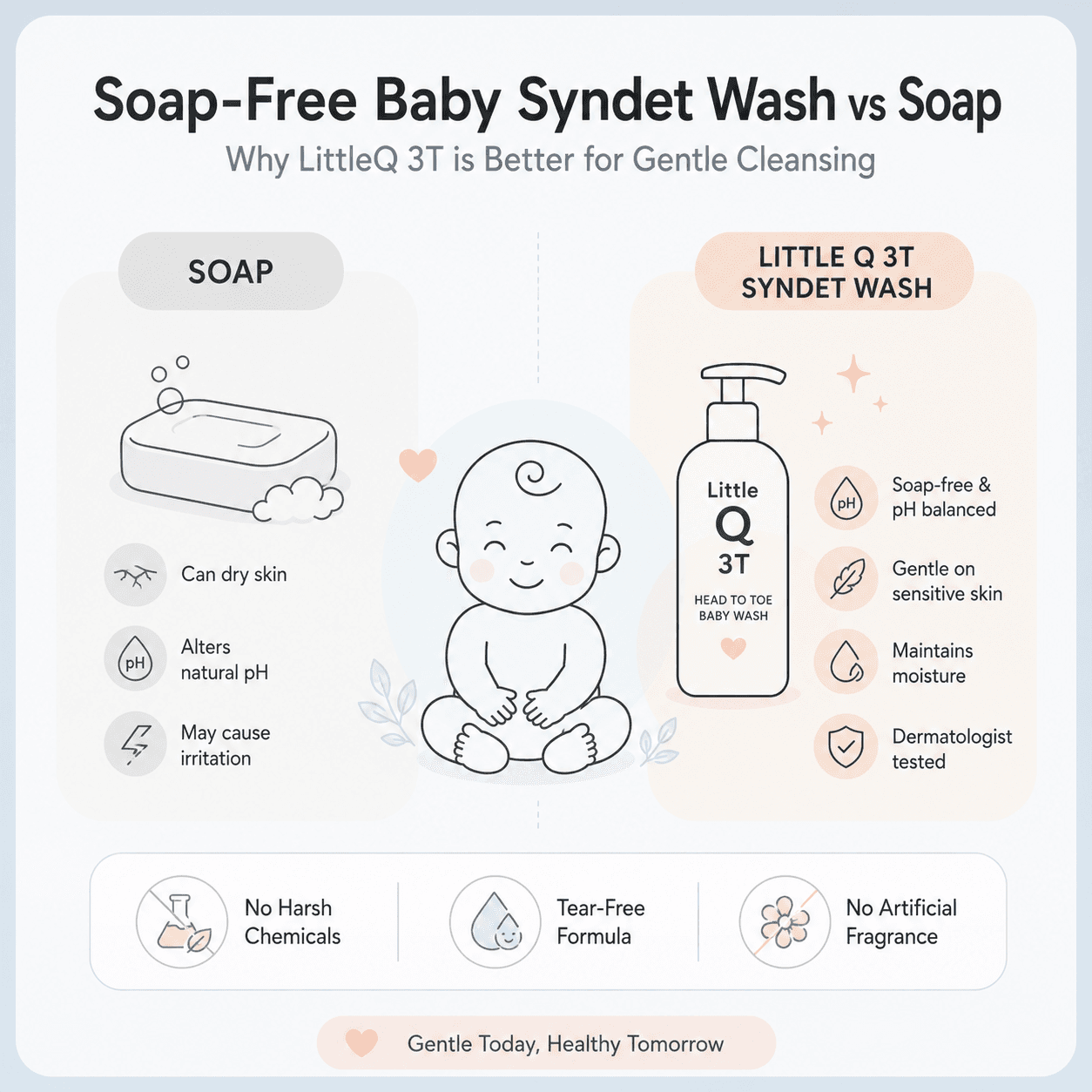
A soap-free baby wash does not use traditional alkaline soap as its primary cleansing base. Instead, it uses synthetic detergent ingredients called surfactants.
Syndet surfactants help water interact with oil and dirt, allowing impurities to be removed during rinsing. A well-formulated syndet can also be adjusted to a neutral or mildly acidic pH.
The Indian Academy of Pediatrics recommends a mild syndet or soapless liquid cleanser for babies rather than ordinary soap because alkaline soap may affect the skin barrier and acid mantle.
Traditional Soap and Sensitive Skin
Traditional soap may:
Have a high alkaline pH.
Remove natural oils.
Leave skin feeling tight.
Increase dryness in some babies.
Be uncomfortable on already irritated skin.
This does not mean that every traditional soap causes a rash. It means that babies with dry or sensitive skin may benefit from a milder cleansing alternative.
Syndet Cleansing
A baby syndet wash may:
Use mild cleansing agents.
Be soap-free.
Be formulated closer to the skin’s natural pH.
Clean without vigorous scrubbing.
Support a more comfortable after-bath feel.
The complete formula remains important. A product should not be judged only by the word “syndet.”
Little Q 3T and Baby Rash Prevention
Little Q 3T is marketed as a cleanser for delicate newborn and sensitive skin. It is designed for head-to-toe cleansing and may be used as part of a gentle hygiene routine.
It should be described as supporting a careful routine, not as guaranteeing rash prevention.
Mild Cleansing Agents
Little Q 3T lists SCI-85, Decyl Glucoside and Sodium Cocoyl Glycinate among its cleansing agents.
These surfactants help lift sweat, dirt and excess oil. A mild cleansing system may reduce the need for scrubbing, which is important because friction can contribute to irritation.
pH-Balanced Positioning
The product is described as a pH-balanced baby wash. A pH-conscious formula may be more compatible with the skin’s natural surface environment than strongly alkaline soap.
pH balance alone does not prevent rashes. Fragrance, preservatives, water temperature, bathing frequency and the baby’s individual sensitivity also matter.
Ceramide NP
Ceramide NP is a skin-conditioning lipid associated with the outer skin barrier. The barrier helps limit moisture loss and protect the skin from irritants.
Little Q 3T includes Ceramide NP in its formula. This supports its barrier-conscious positioning, although a rinse-off cleanser should not be considered a replacement for a leave-on moisturiser.
D-Panthenol
D-Panthenol, also called provitamin B5, is commonly used for conditioning and moisturising support.
It may contribute to a softer skin feel after bathing. It does not treat eczema, infection or diaper rash.
Hyaluronic Acid and Glycerin
Hyaluronic Acid and Glycerin are humectants. They attract and hold water, helping support skin hydration.
Their effect is more limited in a rinse-off product than in a cream or lotion. However, they contribute to the formula’s moisturising profile.
Oat, Calendula, Aloe Vera and Licorice
These botanical ingredients are included in Little Q 3T’s skin-comfort blend.littleq
Oat is commonly used in products for dry skin, while Aloe Vera, Calendula and Licorice are often included in cosmetic conditioning formulas.
Natural ingredients can still cause sensitivity. Parents should be cautious if their baby has a known allergy to botanical extracts.
Diaper Rash Prevention
Diaper rash is one of the most common types of baby skin irritation. It often occurs when the skin remains exposed to urine, stool, moisture or friction for too long.
The most useful diaper rash prevention steps include:
Change wet or dirty diapers promptly.
Clean gently with water or a mild fragrance-free cleanser.
Avoid alcohol-based or fragranced wipes if they irritate the skin.
Pat the skin dry.
Pay attention to folds around the thighs and groin.
Apply a suitable barrier paste when needed.
Allow some diaper-free time.
Avoid tight diapers.
Choose absorbent diapers.
Seek advice if the rash does not improve.
Nationwide Children’s Hospital recommends changing diapers frequently, cleaning all folds, avoiding hard scrubbing and avoiding wipes containing alcohol or fragrance.
Barrier Creams
Zinc oxide and petrolatum are commonly used as barrier ingredients. They help separate the skin from moisture and irritants.
Apply a barrier product according to its label. If the rash is severe, open, infected-looking or not improving, consult a healthcare professional.
Does a Bath Treat Diaper Rash?
A gentle bath may help remove urine, stool and residue without rubbing. It does not treat every cause of diaper rash.
The NHS advises keeping the area clean and dry, changing nappies promptly and avoiding soaps, bubble baths and talcum powder when the skin is irritated.nhs
Preventing Heat and Sweat Rashes
Hot and humid weather can increase sweating and friction. Heat rash may appear as small red spots or bumps, often in covered areas.
Helpful steps include:
Dress the baby in lightweight clothing.
Avoid overdressing.
Keep the room comfortably cool.
Clean sweat from the neck and folds.
Dry the skin carefully.
Avoid heavy, fragranced products.
Use breathable fabrics.
Keep the diaper area dry.
Do not apply powders to open or irritated skin. Talcum powder may also create inhalation risks.
Preventing Product-Related Irritation
A baby’s rash may develop after introducing a new wash, lotion, oil, wipe, detergent or fabric softener.
To reduce confusion:
Introduce one new product at a time.
Keep the first routine simple.
Avoid combining several fragranced products.
Read the complete ingredient list.
Stop using a product if irritation appears.
Keep a note of when the rash started.
Photograph changes for your healthcare provider if appropriate.
A baby wash for sensitive skin should not be selected only because it says “natural,” “herbal” or “hypoallergenic.” The complete formulation matters.
A Gentle Bath Routine for Sensitive Skin
Prepare Before the Bath
Keep the towel, cleanser, diaper, clothes and moisturiser within reach. Never leave the baby alone in water.
Use Warm Water
Hot water can remove natural oils and worsen dryness. Check the temperature before placing the baby in the bath.
Use a Small Amount
A small amount of Little Q 3T wash is usually sufficient for cleansing. Excess product may take longer to rinse.
Clean Without Scrubbing
Use your hands or a soft washcloth. Pay attention to the face, neck, skin folds and diaper area without vigorous rubbing.
Rinse Thoroughly
Rinse away all cleanser, especially from the neck, underarms, groin and behind the ears.
Pat Dry
Dry the baby gently. Pay close attention to folds where moisture may collect.
Moisturise Dry Areas
If the skin appears dry, apply a suitable fragrance-free moisturiser. Do not use medicated creams unless recommended by a healthcare professional.
Choosing Products for Rash Prevention
When comparing baby products, parents should check:
Cleansing Base
A mild syndet or soap-free cleanser may be preferable to traditional alkaline soap.
Fragrance
Fragrance can irritate some babies. The Royal Children’s Hospital recommends choosing products free from fragrance, botanicals and antibacterial agents where possible.
pH
A neutral or mildly acidic formula may be more compatible with infant skin.
Ingredients
Look for mild surfactants and useful conditioning ingredients, but do not assume that one ingredient guarantees safety.
Packaging
Check the manufacturer, batch number, expiry information, age guidance and directions.
When to Seek Medical Advice
Contact a paediatrician or dermatologist if:
The rash lasts more than a few days.
The rash is spreading.
The skin is cracked or bleeding.
There is yellow crusting or oozing.
The baby appears to be in pain.
The baby has significant itching.
There are blisters or open sores.
The rash involves the eyes or mouth.
The baby has fever.
The rash worsens after using a new product.
Seek urgent care for breathing difficulty, facial swelling, widespread hives or a rapidly developing allergic reaction.
Frequently Asked Questions
Can Little Q 3T prevent baby rashes?
Little Q 3T can support a gentle cleansing routine, but no cleanser can guarantee rash prevention. Rashes may result from heat, moisture, allergy, eczema, infection, friction or other causes.
Is Little Q 3T suitable for sensitive skin?
It is marketed as a cleanser for delicate newborn and sensitive skin. Every baby is different, so stop using it if irritation develops.
Is a soap-free baby wash better for rash-prone skin?
A mild soap-free baby wash may be less drying than traditional alkaline soap. However, the complete formula and the baby’s skin response remain important.
Can I use Little Q 3T on diaper rash?
A mild cleanser may help remove urine, stool and residue gently, but it is not a treatment for diaper rash. Follow medical advice for severe or persistent irritation.
How often should I bathe a baby to prevent rashes?
Many babies do not need a full bath every day. Clean the face, neck folds and diaper area as needed, and avoid over-bathing if the skin is dry.
Can fragrance cause a baby rash?
Fragrance may irritate some babies, especially those with sensitive or eczema-prone skin. Check the complete ingredient list and use fragrance-conscious products.
What should I do if the rash appears after using Little Q 3T?
Stop using the product and rinse the skin with clean water. Contact a healthcare professional if the rash persists, spreads or becomes painful.
Is tear-free the same as hypoallergenic?
No. Tear-free refers mainly to reduced eye stinging. Hypoallergenic is a product claim, not a guarantee that an individual baby cannot react.
Final Thoughts :Choose Gentle Daily Care
Good baby rash prevention begins with a simple, gentle approach. Keep the skin clean and dry, change diapers promptly, avoid hot water and harsh products, dry the folds carefully and use a suitable barrier cream when needed.
Little Q 3T offers soap-free syndet cleansing with mild surfactants, pH-balanced positioning, Ceramide NP and conditioning ingredients such as D-Panthenol, Hyaluronic Acid, Oat and Aloe Vera. It may be a useful part of a sensitive-skin routine, but it should not be considered a guarantee against rashes or a treatment for medical skin conditions.
The most effective care combines an appropriate cleanser with sensible bathing habits, careful diaper care and professional guidance when symptoms continue.
Make bath time kinder to delicate skin with Little Q 3T baby wash—a mild, soap-free cleanser designed to support clean, comfortable and healthy-looking baby skin.
Disclaimer: The information in this blog is here to help and inform, but it is not a replacement for advice from a doctor or nutritionist. We try to share correct and useful information, but we always suggest talking to your child’s pediatrician or nutritionist for specific advice about their health and nutrition. These professionals know what’s best for your child’s unique needs.