
Baby Allergies & Bath Products: Little Q 3T Hypoallergenic Choice
Learn how to choose bath products for baby allergies and why Little Q 3T may offer gentle, soap-free cleansing for delicate, sensitive skin.Little Q
Baby Allergies and Bath Products: Little Q 3T Hypoallergenic Choice
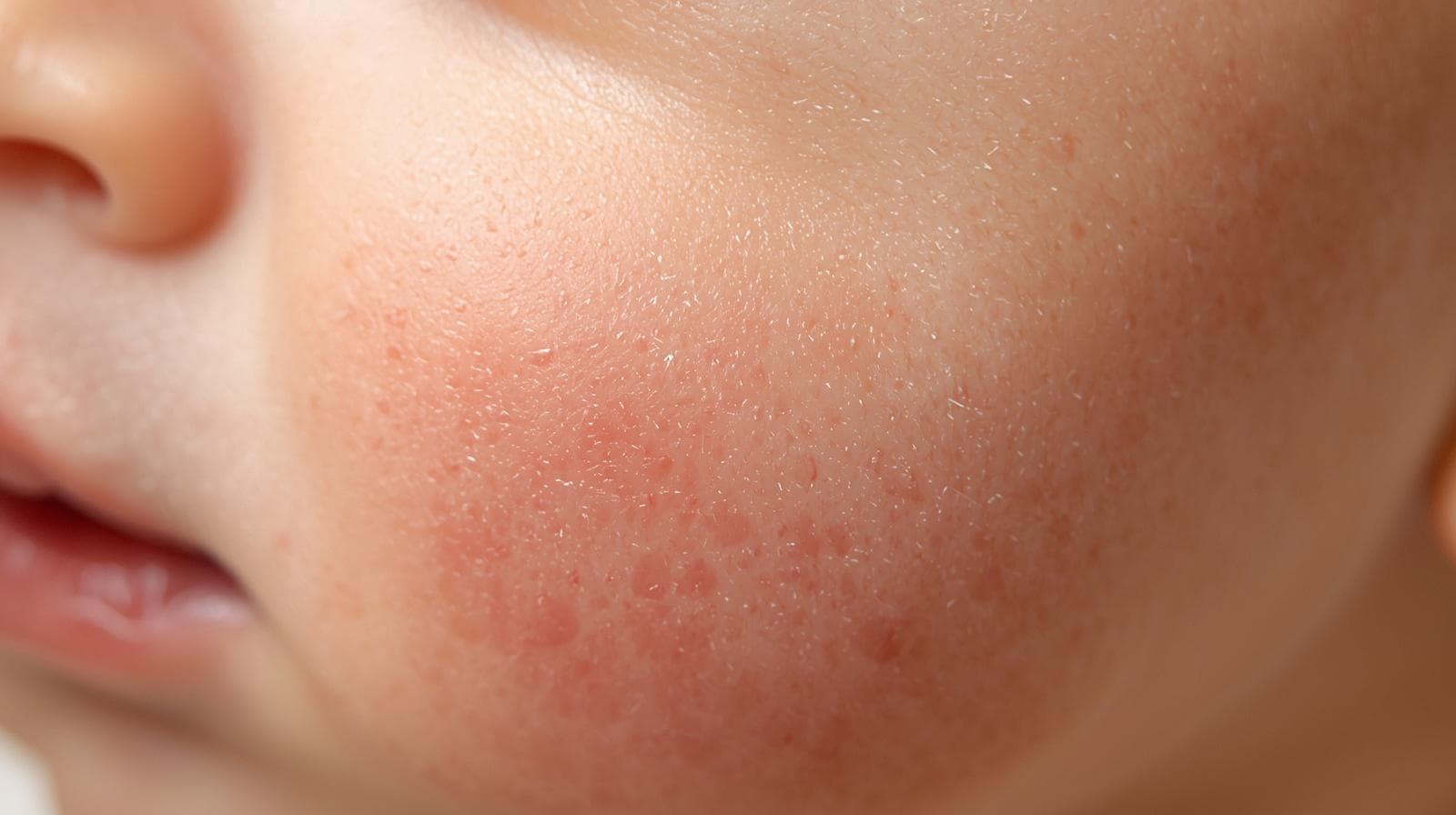
Choosing bath products can feel stressful when your baby has sensitive skin, a family history of allergies or a previous reaction to a cleanser. Parents often search for safe baby allergies and bath products guidance because redness, dryness and small bumps may appear after bathing.
The first step is understanding that not every rash is an allergy. Baby skin can react to heat, friction, saliva, sweat, urine, stool, fragrance, preservatives, detergents or an underlying condition such as eczema.
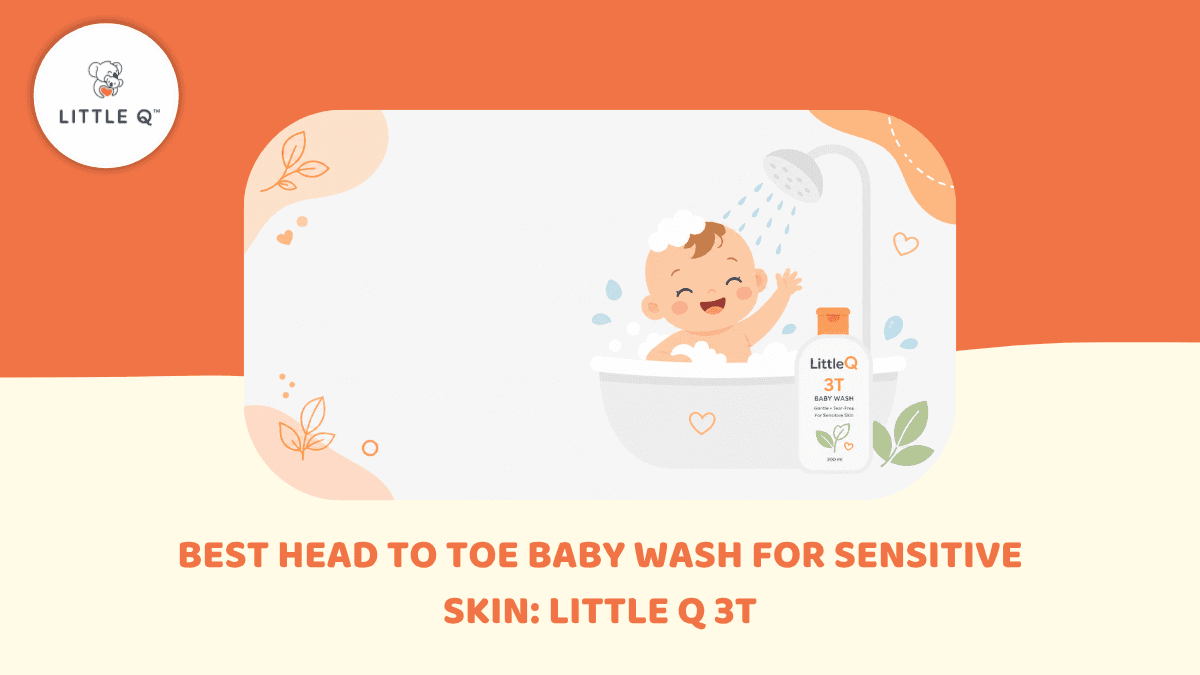
Little Q 3T is a head-to-toe syndet cleanser designed for delicate newborn and sensitive skin. Its listed cleansing agents include SCI-85, Decyl Glucoside and Sodium Cocoyl Glycinate. The formula also contains Ceramide NP, Niacinamide, D-Panthenol, Hyaluronic Acid, Oat, Calendula, Aloe Vera and Licorice.
This guide explains how to choose bath products carefully, what “hypoallergenic” means, how Little Q 3T fits into a simple routine and when a baby skin reaction requires medical advice.
Important note: No cosmetic product can guarantee that an individual baby will not react. A cleanser cannot diagnose or treat allergy, eczema or infection. Consult a paediatrician or dermatologist if your baby has a persistent or severe reaction.
Are Baby Rashes Always Allergies?
A rash after bath time does not automatically mean an allergy. Several different reactions can look similar, particularly on a baby’s delicate skin.
Irritant Contact Reaction
An irritant reaction occurs when something damages or stresses the skin directly. Possible triggers include:
Hot water.
Strong soap.
Excessive bathing.
Friction.
Sweat.
Saliva.
Diaper moisture.
Detergent residue.
Long contact with a wet product.
Irritation can appear as redness, dryness, roughness or burning. It may occur soon after exposure and may improve when the trigger is removed.
Allergic Contact Reaction
An allergic reaction involves the immune system responding to a particular ingredient. Fragrance components, preservatives, botanical extracts and dyes can cause reactions in some individuals.
Allergic reactions may include:
Itching.
Red patches.
Swelling.
Hives.
Blisters.
A rash that spreads beyond the original contact area.
An allergy may develop even if a product was tolerated once before. Professional testing may be needed to identify the trigger.
Eczema
Eczema is a chronic inflammatory skin condition that commonly begins during infancy. It may cause dry, itchy, red or rough patches.
A cleanser may worsen or improve comfort, but eczema usually requires a wider care plan. Parents should not assume that a cleanser alone will control it.
Heat Rash
Heat and sweating can cause small red bumps, especially around the neck, chest and skin folds. This is not necessarily caused by a bath product.
Diaper Rash
Diaper rash is often linked to moisture, stool, urine and friction. It may not be related to the cleanser used on the rest of the body.
Understanding the type of reaction helps parents avoid unnecessary product changes.
How Bath Products Can Affect Baby Skin
Baby skin is thinner and more sensitive than adult skin. Its protective barrier helps retain moisture and reduce contact with external irritants, but it is still developing.
A product may affect the skin through:
Cleansing strength.
pH.
Fragrance.
Preservatives.
Botanical extracts.
Essential oils.
Dyes.
Contact time.
Frequency of use.
Rinsing quality.
Fragrance
Fragrance may irritate some babies and can be listed on a label as “fragrance,” “parfum” or individual fragrance chemicals.
Fragrance is not essential for cleansing. Parents of babies with reactive skin may prefer a fragrance-free formula.
Preservatives
Preservatives help prevent microbial contamination in water-based products. They are important for product safety, but some individuals may be sensitive to specific preservatives.
Parents should not remove preservatives from a product themselves or assume that “preservative-free” automatically means safer. A contaminated cleanser can also be harmful.
Botanical Extracts
Ingredients such as Aloe Vera, Calendula, Oat and Licorice are commonly used in cosmetic products. However, plant-derived does not mean allergy-free.
A baby with a history of reactions to botanical ingredients may need a more carefully selected routine.
What Does Hypoallergenic Mean?
The word “hypoallergenic” means a product is formulated to have a lower likelihood of causing an allergic reaction. It does not mean that the product cannot cause a reaction.
The term is not a universal guarantee. Different manufacturers may use different testing methods and standards.
Parents should not rely on the word alone. They should also consider:
The full ingredient list.
Fragrance information.
The child’s previous reactions.
The product’s intended age group.
Whether the cleanser is soap-free.
Whether the pH is disclosed.
Whether the manufacturer provides clear product information.
The American Academy of Dermatology advises parents to select gentle, fragrance-free products for babies with sensitive skin and to avoid assuming that “natural” automatically means safer.
Little Q 3T Hypoallergenic Positioning
Little Q 3T is marketed as a gentle head-to-toe syndet cleanser for delicate newborn and sensitive skin.
The product is described as:
Tear-free.
pH-balanced.
Sulfate-free.
Paraben-free.
Suitable for head-to-toe cleansing
Formulated with mild surfactants.
Designed for sensitive skin.
It is important to distinguish between “hypoallergenic choice” as a product position and a guarantee of allergy prevention. Little Q 3T may be appropriate for families seeking a mild cleanser, but individual tolerance still matters.
Why a Syndet Formula May Be Useful
A baby syndet wash uses synthetic detergent ingredients rather than traditional alkaline soap.
Syndet cleansers can be formulated closer to the mildly acidic environment of healthy skin. This may make them less drying than some traditional soaps, particularly when used with warm water and gentle handling.
The Indian Academy of Pediatrics recommends a mild syndet or soapless liquid cleanser for babies because traditional soap may disturb the skin barrier and acid mantle.
Little Q 3T Ingredients and Allergy Considerations
SCI-85
SCI-85 is a form of Sodium Cocoyl Isethionate. It is a mild surfactant that helps lift dirt, sweat and excess oil from the skin.
It is used in syndet cleansers and can provide lather without relying on traditional alkaline soap.
Decyl Glucoside
Decyl Glucoside is a non-ionic surfactant commonly used in gentle cleansing products.
Parents looking for a gentle baby cleanser may find it in formulas intended for sensitive skin. However, any ingredient can cause sensitivity in an individual baby.
Sodium Cocoyl Glycinate
Sodium Cocoyl Glycinate is an amino-acid-based surfactant. It supports cleansing and contributes to the formula’s rinse and skin-feel properties.
Little Q 3T combines it with SCI-85 and Decyl Glucoside.
Ceramide NP
Ceramide NP is a skin-conditioning lipid associated with the outer skin barrier. Ceramides help support the structure that limits moisture loss.
Little Q 3T includes Ceramide NP in its formula. It supports the product’s barrier-conscious positioning but does not replace a leave-on moisturiser or prescription treatment.
D-Panthenol
D-Panthenol, also known as provitamin B5, is commonly used for moisturising and conditioning support.
It may contribute to a soft after-bath skin feel. It does not treat allergies, eczema or infection.
Hyaluronic Acid and Glycerin
Hyaluronic Acid and Glycerin are humectants. They attract and hold water, helping support a moisturised skin feel.
Because Little Q 3T is rinsed off, these ingredients should not be expected to provide the same effect as a leave-on cream.
Oat, Calendula, Aloe Vera and Licorice
These botanical ingredients are part of the formula’s skin-comfort blend.
Oat is often used in products for dry skin. Aloe Vera, Calendula and Licorice are common cosmetic conditioning ingredients.
Parents should be cautious if the baby has a known allergy to botanical extracts. Natural ingredients may still cause an allergic or irritant reaction.
How to Choose Bath Products for Allergies
Start with Fewer Products
A simple routine makes it easier to identify a potential trigger. Avoid introducing a new cleanser, lotion, oil, detergent and wipe at the same time.
Choose a Baby-Specific Cleanser
Adult products may contain stronger fragrances, exfoliants or active ingredients that are unnecessary for infants.
Look for a cleanser specifically made for babies or newborns.
Review Fragrance Carefully
For babies with reactive skin, a fragrance-free baby wash may be preferable. HSE Ireland advises parents to look for products without colours, perfumes and alcohol when caring for newborn skin.
Look for Mild Cleansing
A soap-free baby wash may be less drying than traditional alkaline soap. Check that the product uses mild cleansing agents and is designed for sensitive skin.
Consider pH
A pH-balanced baby wash may be more compatible with the skin’s natural surface environment than a strongly alkaline cleanser.
Avoid Unnecessary Antibacterial Products
Healthy babies generally do not need antibacterial cleansers for routine bathing unless a healthcare professional recommends one.
Check the Packaging
Look for:
Full ingredients.
Manufacturer details.
Batch number.
Expiry date.
Age guidance.
Usage instructions.
Warnings.
Customer-care information.
Introducing a New Product Carefully
There is no perfect home test that can guarantee a product will not cause an allergy. However, parents can introduce a new cleanser cautiously.
Use One New Product at a Time
If you introduce five new products together, it is difficult to identify the cause of a reaction.
Start with a Small Area
Discuss testing with your healthcare professional, especially if your baby has a history of severe allergy or eczema. Do not apply a product to broken, infected or severely inflamed skin.
Observe the Skin
Watch for:
Redness.
Itching.
Swelling.
Hives.
Dryness.
Blisters.
Burning or discomfort.
Stop using the product if the reaction appears concerning.
Keep a Product Record
Write down the product name, ingredients and date of first use. Photographs may also help your healthcare professional compare changes over time.
Allergy-Conscious Bath Routine
A calm routine can reduce exposure to common irritants.
Before the Bath
Prepare the towel, cleanser, clothes and diaper. Make sure the room is warm and the bathing area is secure.
During the Bath
Use comfortably warm water and keep the bath brief. Apply a small amount of Little Q 3T hypoallergenic wash according to the label.
Avoid putting cleanser directly into the eyes. A tear-free formula is designed to reduce stinging but does not make deliberate eye contact appropriate.
After the Bath
Rinse thoroughly and pat the baby dry. Pay particular attention to the neck, underarms, behind the ears and diaper area.
If dryness is present, apply a suitable fragrance-free moisturiser. Do not use medicated creams unless advised by a healthcare professional.
When to Seek Medical Advice
Contact a paediatrician or dermatologist if:
The baby develops repeated reactions to products.
The rash persists after stopping the suspected product.
The skin becomes cracked, painful or infected-looking.
There is oozing, crusting or pus.
The rash spreads quickly.
The baby has severe itching.
The eyes, lips or face become swollen.
The baby develops fever with the rash.
Seek emergency help for breathing difficulty, facial swelling, faintness or widespread hives.
Frequently Asked Questions
Is Little Q 3T suitable for babies with allergies?
Little Q 3T is marketed for delicate and sensitive skin, but no cleanser can guarantee that an individual baby will not react. Babies with known allergies should be discussed with a healthcare professional.
Is Little Q 3T hypoallergenic?
The product is positioned as a gentle cleanser for sensitive baby skin. Parents should review the current packaging and ingredient list rather than relying only on the word hypoallergenic.
What is the best baby wash for allergies?
There is no single best product for every baby. Look for a mild, baby-specific, soap-free cleanser with transparent ingredients and minimal potential irritants.
Is fragrance-free better for babies?
Fragrance-free products may be preferable for babies with reactive or eczema-prone skin. Fragrance is not needed for effective cleansing.
Can a baby be allergic to natural ingredients?
Yes. Botanical extracts and essential oils can cause sensitivity. “Natural” does not mean allergy-free.
Can Little Q 3T treat eczema?
No. It may support gentle cleansing, but it is not a treatment for eczema or infection. Consult a paediatrician or dermatologist for ongoing symptoms.
What should I do if my baby develops a rash after bathing?
Stop using any newly introduced product and rinse the skin with clean water. Seek medical advice if the reaction persists, spreads or becomes painful.
Is tear-free the same as allergy-proof?
No. Tear-free refers mainly to reduced eye stinging. It does not guarantee that the product cannot cause skin sensitivity.
Final Thoughts: Choose Gentle, Informed Care
Understanding baby allergies and bath products can help parents create a safer, simpler skincare routine. Not every rash is an allergy, and possible triggers include heat, friction, saliva, diapers, fragrance, preservatives and underlying skin conditions.
Little Q 3T offers mild syndet cleansing with SCI-85, Decyl Glucoside and Sodium Cocoyl Glycinate, along with Ceramide NP, D-Panthenol, Hyaluronic Acid and botanical ingredients. It may be a practical hypoallergenic baby wash choice for families seeking gentle, soap-free cleansing, but individual tolerance should always be monitored.
Use fewer products, introduce changes carefully, read the complete label and seek professional advice when symptoms persist.
Choose Little Q 3T hypoallergenic wash for a simple bath routine designed around delicate baby skin. Thoughtful product choices today can help make every bath more comfortable tomorrow.
Disclaimer: The information in this blog is here to help and inform, but it is not a replacement for advice from a doctor or nutritionist. We try to share correct and useful information, but we always suggest talking to your child’s pediatrician or nutritionist for specific advice about their health and nutrition. These professionals know what’s best for your child’s unique needs.