





step-by-step guide to using baby rash cream correctly
A simple, friendly step-by-step guide on how to use baby rash cream correctly. Learn when to apply, how much to use, and tips to prevent rashes while keeping your baby comfortable and calm. Practical advice for everyday baby skincare.Little Q
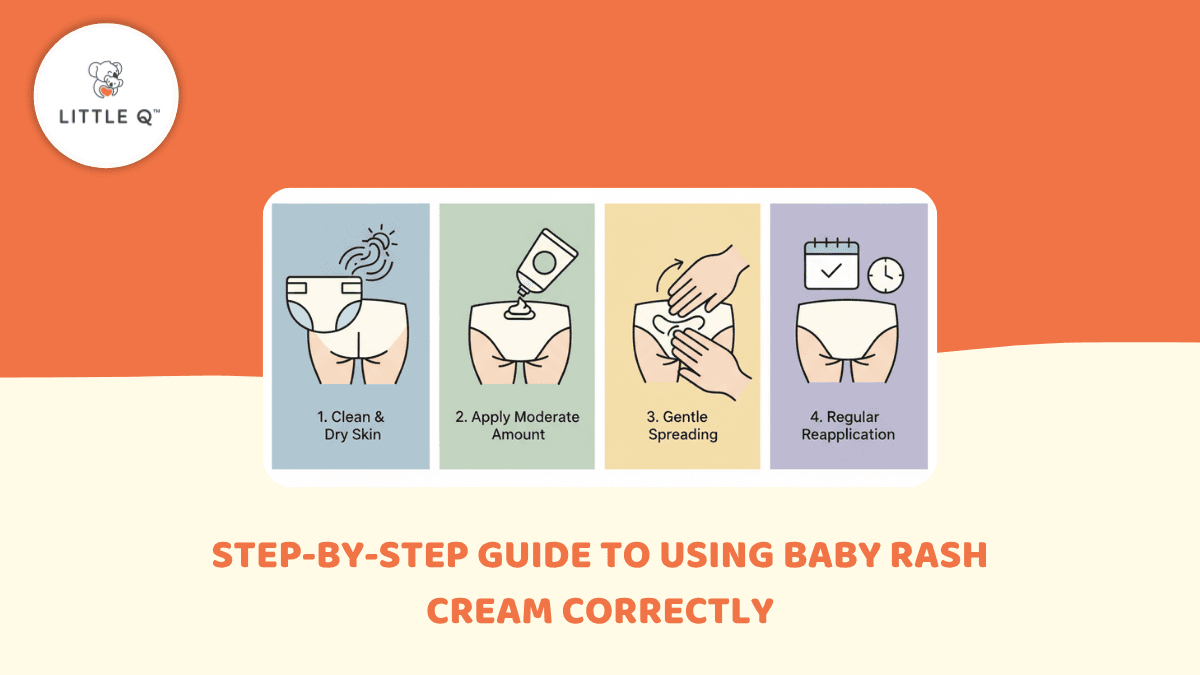
Seeing a little red patch on your baby can make any parent nervous. But using baby rash cream the right way is one of the easiest, most effective steps you can take to ease discomfort and help the skin heal. This guide walks you through every step — from choosing the right cream to applying it safely and preventing future flare-ups — in plain, friendly language you can put into practice today.
Throughout this article, I’ll use simple terms and clear steps so the whole process feels manageable. Wherever helpful, I’ll highlight important keywords like baby rash cream, diaper rash, and how to apply rash cream so you can quickly spot the parts you need.
Why correct application matters
Using baby rash cream properly does more than relieve redness. It:
Protects the skin from moisture and friction.
Creates a barrier against irritants.
Speeds up soothing and recovery.
Applying too little, skipping protective steps, or using a cream meant for older kids/adults can reduce effectiveness. Follow the steps below for best results.
Step 1 — choose the right cream for your baby
Not all creams are the same. Look for products made for infants that use gentle, familiar ingredients and avoid harsh additives.
What to check on the label:
zinc oxide (good barrier ingredient)
simple, plant-based soothing extracts (e.g., calendula)
no strong fragrances or alcohol
gentle, non-comedogenic base
If you already use a trusted brand like Little Q, pick the diaper-specific cream in your routine. Keep products stored in a cool, dry place and check expiry dates.
Tip: Smaller tubes are handy in a diaper bag; jars are fine at home.
Step 2 — prepare a clean, calm diaper-change station
A relaxed environment makes the routine faster and keeps your baby calm.
What you’ll need:
fresh diaper
soft cotton cloths or alcohol-free wipes
clean changing surface
the baby rash cream tube or jar
a clean hand towel for drying hands
Wash your hands before starting. If possible, warm a cloth slightly (lukewarm) to make cleaning comfortable. Keep everything within reach so you don’t leave the baby unattended.
Step 3 — gently clean the area
Before applying cream, remove any stool or residue and gently cleanse the skin.
How to clean:
Remove the soiled diaper.
Use soft, damp cotton or an alcohol-free wipe to pat away mess — wipe front to back for girls.
Avoid rubbing; pat until clean.
For stubborn residue, soak a cloth in lukewarm water and hold for a few seconds to soften it, then pat away.
After cleaning, air-dry the area for a minute or pat dry with a soft towel. The skin should be dry before you apply cream — moisture trapped beneath the cream can reduce effectiveness.
Step 4 — how much cream to use
Less can be more. You don’t need a thick layer every time.
General guideline:
For prevention or mild redness: a thin film is enough — a pea-sized amount for newborns, a small coin-sized dab for older infants.
For active, bright red rash: apply a slightly thicker layer to fully cover the irritated area, but don’t pack it on in huge amounts.
If using a zinc oxide paste, a light yet even coating is ideal — it should form a visible barrier without feeling crusty.
Step 5 — correct technique to apply cream
How you apply affects how well it protects.
Step-by-step:
Warm the product a little between your fingers so it spreads easily.
Place small dots of cream across the affected area.
Gently smooth the cream outward to cover the entire rash zone and surrounding skin — this prevents edges where moisture can creep in.
For skin folds, press lightly to get cream into the creases but avoid forcing cream deep into tight folds where it won’t dry.
Let the cream form a thin barrier — don’t rub vigorously.
If the baby resists, try distracting them with a toy or song. A calm, gentle touch keeps the experience positive.
Step 6 — apply at the right times
Consistency matters. Use the cream when it counts most.
Best times to apply:
At every diaper change if rash is active.
After every bowel movement.
Before bedtime or long naps to protect during extended periods.
As part of your nightly routine if your baby is prone to rashes.
For prevention, apply a thin layer at each diaper change during hot weather or when stool is loose (e.g., during teething or dietary changes).
Step 7 — combine cream with other protective steps
Cream works best as part of a routine:
Change diapers often. Frequent changes reduce exposure to moisture and irritants.
Use breathable diapers. Allow airflow to the area.
Avoid tight clothing. Soft cotton gives skin room to breathe.
Give diaper-free time. A few minutes each day helps the skin recover.
Use gentle wipes or water. Alcohol-free wipes or a damp cloth reduce irritation.
If using baby powder or cornstarch, use sparingly and avoid inhalation. Powders are not usually needed when you have a good barrier cream.
Step 8 — special situations: yeast or severe rashes
Some rashes need extra care. Yeast rashes (often bright red with satellite spots) and infected rashes may need different products.
Signs a rash is more than mild:
Bright red, shiny patches that don’t respond to regular cream
Small raised bumps around the main patch (satellite lesions)
Blisters, pus, or oozing
Fever, or the baby seems unwell
In these cases, pause the routine and contact a pediatrician. They may recommend an antifungal or other specific treatment. Continue gentle cleaning and avoid layering multiple creams without advice.
Step 9 — how to use rash cream safely
Safety tips to keep the routine foolproof.
Do:
Read product instructions and ingredient labels.
Perform a small patch test if using a new product.
Keep creams out of baby’s eyes and mouth.
Store away from heat and sunlight.
Don’t:
Use adult formulations or heavy steroid creams unless prescribed.
Mix creams or ointments unless a professional advises.
Over-apply thinking more is always better — this can trap moisture.
If irritation develops after using a new product, stop immediately and switch to plain protection (air, gentle cleansing) until you consult a healthcare professional.
Step 10 — track what helps and what doesn’t
Keeping a quick record helps spot patterns.
What to note:
Time and severity of rash flare-ups.
Foods, medicines, or new products introduced recently.
Diaper brand changes or laundry detergents used.
Weather changes or overheating episodes.
A simple note on your phone for a week or two is enough to identify common triggers and fix them.
Extra tips for different seasons
Seasonal habits can change rash frequency.
Hot weather:
Dress baby in light, breathable cotton.
Increase diaper-free time.
Use thin layers and avoid plastic-backed diapers.
Cold weather:
Avoid over-bundling indoors.
Moisturize more often to counter indoor heating dryness.
Keep the diaper area dry — heavy creams still help but choose formulas that don’t trap sweat.
Travel and day-care use
When you’re out or someone else cares for your baby, consistency matters.
Packing checklist:
Small tube of baby rash cream for on-the-go.
Extra diapers and wipes.
A change of clothes.
A note for caregivers with application instructions and times.
If someone else is caring for your baby, show them how much to use with a quick demo — it prevents over- or under-application.
When to ask for professional help
Most rashes get better with good care. Visit a pediatrician if:
The rash worsens or spreads after 48–72 hours of correct cream use.
Signs of infection appear (warmth, pus, fever).
The baby is in clear discomfort or refuses feeds.
You’re unsure whether it’s a rash that needs special treatment.
A professional can confirm the cause and suggest targeted treatment — sometimes a short prescription is all that’s needed to clear things up quickly.
Putting it all together — a simple routine checklist
Use this checklist whenever a rash appears:
wash hands and gather supplies
remove the soiled diaper
clean gently with water or alcohol-free wipes
let the skin air dry or pat dry
apply a pea-to-coin sized amount of baby rash cream
smooth gently and let it form a protective barrier
put on a fresh diaper and dress baby in breathable clothing
repeat at every diaper change until the rash improves
Stick to this routine for a few days — most mild rashes improve quickly.
Final thoughts
Using baby rash cream correctly is straightforward once you know the steps. The right product, applied in the right amount and at the right times, becomes a powerful tool to keep your baby comfortable. Combine cream application with good hygiene, frequent diaper changes, and simple lifestyle tips — and most rashes will clear up quickly.
If you ever feel unsure, a quick call to your pediatrician gives peace of mind and ensures your baby gets the right care. Gentle, consistent care works wonders — and that’s what every parent and baby needs.
Disclaimer: The information in this blog is here to help and inform, but it is not a replacement for advice from a doctor or nutritionist. We try to share correct and useful information, but we always suggest talking to your child’s pediatrician or nutritionist for specific advice about their health and nutrition. These professionals know what’s best for your child’s unique needs.